REVIEW · SAVANNAH
Savannah Slavery to Freedom Guided History Tour
Book on Viator →Operated by Gray Line Savannah · Bookable on Viator
Savannah history lands fast. This guided tour pairs Sistah Patt-style truth-telling with street stops that trace the path from West African roots to the slave auction site and onward toward freedom. I especially like how the narration connects what you see on sidewalks to the money and labor that shaped Savannah, and I like that the guide keeps the story clear for all ages. One possible drawback: the tour is largely by bus, so if you’re hoping for lots of quick get-out-and-shoot photo stops, you may feel a little restricted.
You’ll spend about 3 hours on a small-group ride (up to 32 people). Expect a mobile ticket, English narration, and a start/finish at 223 Martin Luther King Jr Blvd, with morning or afternoon departures to fit your day.
At $54.78 per person, this isn’t a “grab-and-go” add-on. It’s a concentrated history lesson, led by a Master Gullah Geechee Truth-Teller, with stops that include Johnson Square plus an important cemetery visit at Laurel Grove. I think it’s a good value if you want facts, context, and a guided route through the places that get skipped on lighter city tours.
In This Review
- Key things I’d focus on before you go
- Starting at MLK Jr Blvd and riding with Kelly Tours
- The guide makes it: Sistah Patt style truth-telling (and why it works)
- River Street warehouses: West African origins and forced labor
- Johnson Square slave auctions: what you’re seeing and what it meant
- Past the Second African Baptist Church: moving from bondage to freedom
- African American Monument and Laurel Grove Cemetery: context that lasts
- River Street and Johnson Square on a 3-hour clock: pacing and logistics
- Value check: is $54.78 worth it?
- Who this tour suits best in Savannah
- Quick planning tips before you book
- Should you book the Savannah Slavery to Freedom Guided History Tour?
- FAQ
- How long is the Savannah Slavery to Freedom guided history tour?
- What does the tour cost?
- Where do I meet for the tour?
- What’s included in the tour price?
- Is bottled water, parking, or gratuity included?
- Is the tour accessible for people who need an ADA vehicle?
Key things I’d focus on before you go

- Master Gullah Geechee Truth-Telling narration that mixes history, personal context, and a clear way of telling hard truths
- River Street + Johnson Square stops that connect labor, warehouses, and auctions to the city’s growth
- Limited walking, mostly bus time, which is comfortable but can be less convenient for constant photo stops
- African American Monument and Laurel Grove Cemetery included for context beyond the downtown streets
- Runs in about 3 hours with a small maximum group size, which helps keep the pacing manageable
Starting at MLK Jr Blvd and riding with Kelly Tours
Your tour begins at 223 Martin Luther King Jr Blvd in Savannah. The experience ends back at the same meeting point, so you don’t have to stress about navigation afterward.
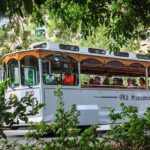
Plan for a bus-forward format. This is set up for a guided route through downtown and nearby sites, and that means you can sit, listen, and take notes without constantly standing in traffic or weaving through crowds.
You’ll be with a maximum of 32 people. That’s a sweet spot for a history tour: big enough to meet new folks, small enough that the guide can keep the energy up.
Also, bring the practical stuff: bottled water isn’t included, and neither are gratuities. If you’re the type who likes to buy a snack mid-tour, grab one before you start.
You can also read our reviews of more guided tours in Savannah



The guide makes it: Sistah Patt style truth-telling (and why it works)
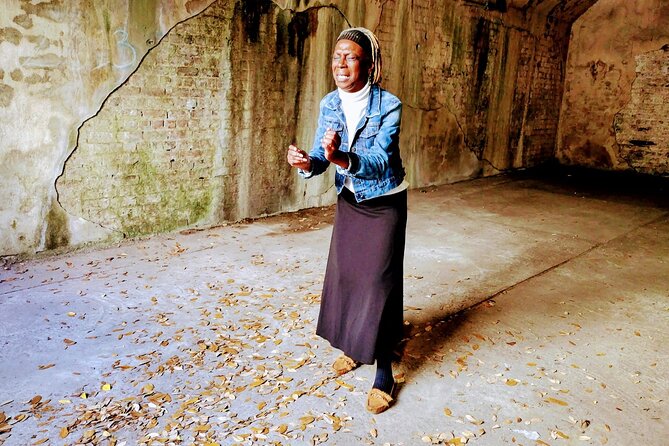
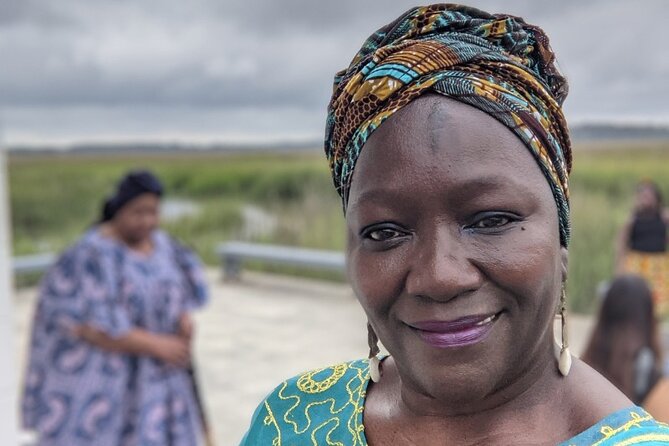
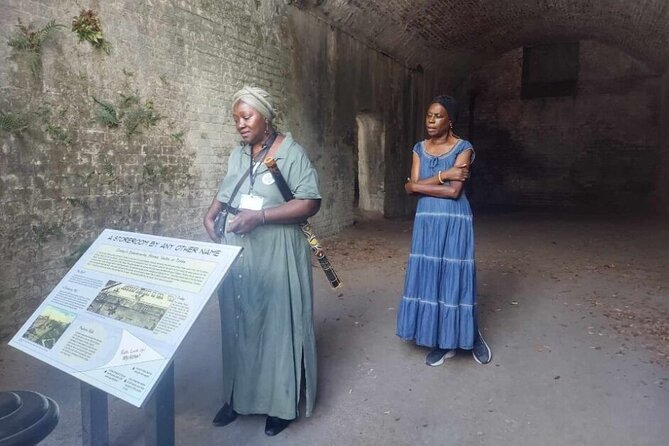
This tour’s heart is the Master Gullah Geechee Truth-Teller leading the narration. The experience is often associated with Sistah Patt, and in practice you may hear variations like Ms. Rosalyn or Sister Rozz depending on the departure you book.
What I like about this approach is the tone. The story comes across as factual and direct, without turning the whole thing into a guilt trip. Instead, the guide explains how slavery shaped the city’s economy and the wider world, so the lesson feels rooted in real causes and effects.
Expect clarity and momentum. The narration is structured enough that even kids (and many adults) can follow it without losing the thread. The guide also uses humor at moments, which doesn’t erase the pain—it helps you keep listening.
One more practical bonus: the guide’s “why this matters” framing tends to stick. People leave with the sense that they now understand Savannah’s story, not just the names of places.
River Street warehouses: West African origins and forced labor
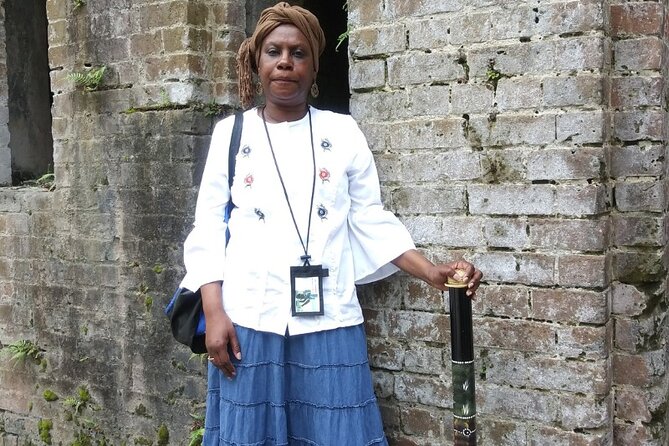
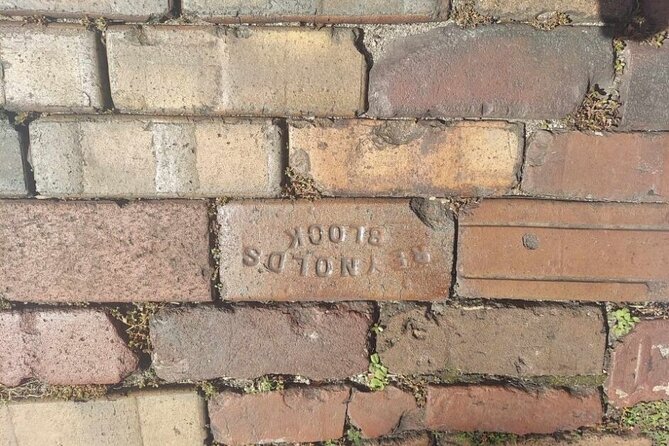
One of the first story lines you’ll hear traces West African tribes that were routed to Savannah. The narration explains how enslaved people were used in slave labor, including the building of the warehouses along River Street.
This stop works because it’s about more than a single tragic moment. You’re looking at an area tied to commerce and storage—then the guide pulls you back to the human cost that made that economy possible.
If you’re the type who likes to “read” a city visually, this is where it clicks. You’ll connect the modern street scene to the labor system that powered it, and the guide’s explanations help you keep from getting lost in vague history.
Photo note: because the tour is bus-heavy, you might get fewer chances to walk up close. But if you come with curiosity instead of a camera-first mindset, the stop makes a strong impression.
Johnson Square slave auctions: what you’re seeing and what it meant
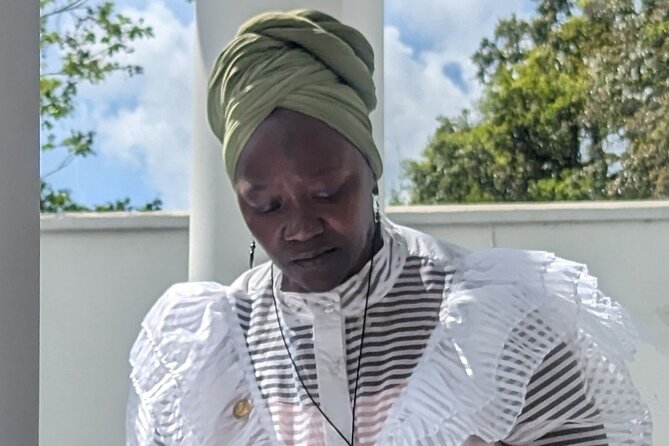
Johnson Square is the best-known name on this tour, and for good reason. You’ll learn where enslaved people were auctioned off, and the guide ties the square to the daily mechanics of buying and selling human beings.
What I find valuable here is the guide’s focus on systems. This isn’t just a list of horrors. You learn how auctions fit into the money-making engine of slavery—how the city profited, how people were processed, and how that shaped lives for generations.
Johnson Square also gives you a mental anchor. Once you know what happened there, you start noticing the square differently the rest of the day, even if you’re just walking past it for lunch.
If you need a tip for your visit style: slow down your breathing during the narration here. The story is heavy, and the most respectful way to absorb it is to let it land instead of racing to the next stop.
Past the Second African Baptist Church: moving from bondage to freedom
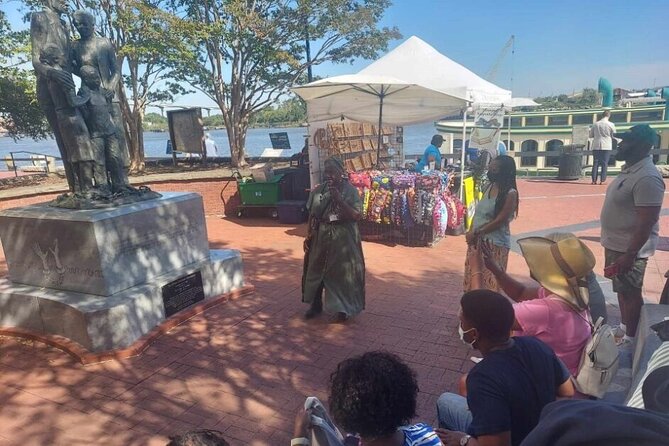
As the tour continues, you’ll board the vehicle and travel past the Second African Baptist Church. This part is framed around the incredible journey to freedom, using the drive-by route to keep the lesson flowing without constant stop-and-go.
A drive-by can sound like “no big deal,” but it actually helps with pacing. You’re not forced to march for hours. Instead, you get a guided transition that keeps the narrative moving from exploitation to resilience.
Look at it as a “bridge moment.” You’ve spent time learning the machinery of slavery; now the guide shifts your attention toward survival, faith, community, and what freedom required in real life—not just in theory.
You can also read our reviews of more historical tours in Savannah




African American Monument and Laurel Grove Cemetery: context that lasts
Included stops go beyond downtown scenes. You’ll also visit the African American Monument and Laurel Grove Cemetery, which adds a layer people often miss when they only tour streets.
Monuments and cemeteries can feel like “afterthought stops” on some city tours. Here, they function as continuity points—places where memory stays visible and history keeps speaking after the bus moves on.
Laurel Grove Cemetery matters because it grounds the story in generations. You’re not only learning about enslaved people; you’re also understanding that community life, leadership, and remembrance continued after emancipation.
If you’re planning your day, give this part your full attention. It’s tempting to multitask, but this is where the tour tends to feel most personal and reflective.
River Street and Johnson Square on a 3-hour clock: pacing and logistics
The tour runs about 3 hours, sometimes described as 2 to 2.5 hours of narrated time depending on the departure. That’s short enough to fit even if you’ve got a busy Savannah itinerary.
The trade-off is time on foot. The experience is designed around bus travel, with limited exits. For walkers, it’s comfortable. For photo lovers who want frequent street-level shots, it may feel a bit “stop-light.”
The group size also affects your experience. With a maximum of 32 people, you’re not stuck in a huge crowd, and the guide’s storytelling stays audible and organized.
If you want maximum value, treat this as your main history anchor for the day. Don’t schedule a dozen other “quick stops” back-to-back. This one works best when you let it set the context first.
Value check: is $54.78 worth it?
At $54.78 per person, you’re paying for two things: an expert-led narrative and a guided route through specific meaningful sites. This isn’t just a walking tour you could replicate with a map.
The value comes from the guide’s storytelling style and the way the stops connect. River Street isn’t randomly chosen; Johnson Square isn’t just a landmark. The guide uses those places to explain how slavery operated in Savannah—economically, socially, and physically—then moves toward freedom.
It’s also a good value if you care about learning that’s factual and structured. People often leave with notes and a stronger sense of how Savannah’s growth tied into slavery, not only when it happened.
One caution on value: if you prefer lighter history or you’re trying to protect kids from intense topics, this may be too much in one sitting. The tour can be emotionally challenging, and the pacing keeps the story moving without softening the core facts.
Who this tour suits best in Savannah
This tour fits history buffs of all ages, especially if you like context that connects the dots. It’s also a strong match for families who want one guided experience that covers slavery-to-freedom themes with structure and care.
I’d also point it toward people who want more than surface-level Savannah. If your goal is to understand why the city looks the way it does—and what lies behind that beauty—this format gives you a route and a narrative to interpret it.
It may be less ideal if you expect long walking time and lots of frequent stops. The bus format is part of the design, and comfort is prioritized over constant photo opportunities.
Quick planning tips before you book
If you can, book ahead. This experience is commonly reserved about 23 days in advance on average, which usually means you’ll want to lock in a departure that fits your schedule.
Choose your time based on your energy level. Morning and afternoon options exist, so pick the one when you’re most likely to listen without rushing.
Bring comfortable shoes anyway, even if you won’t walk much. You might have short periods on sidewalks, and having footwear ready keeps you relaxed.
And since bottled water and parking aren’t included, plan a simple add-on: water and a parking spot strategy near downtown if you’re driving.
If weather is poor, the experience can be canceled and you’ll be offered a different date or a full refund. Savannah weather can be moody, so it’s smart to keep your day flexible if possible.
Should you book the Savannah Slavery to Freedom Guided History Tour?
If you want the real story behind Savannah’s streets—focused on slavery, the economics of it, and the journey toward freedom—this is a strong choice. The Master Gullah Geechee Truth-Teller approach, with the specific stops around River Street and Johnson Square plus the cemetery context, makes the lesson feel complete in a short window.
Book it if you value factual narration, clear organization, and a guide who can connect place to meaning. Skip it if you want lots of time out of the bus for photos or you’re not ready for emotionally heavy history in a concentrated format.
For most visitors, I’d call it a top-tier “must understand” tour in Savannah—one that helps you see the city with your eyes open.
FAQ
How long is the Savannah Slavery to Freedom guided history tour?
The tour runs for about 3 hours. The narrated portion is listed as 2 to 2.5 hours.
What does the tour cost?
It costs $54.78 per person.
Where do I meet for the tour?
You meet at 223 Martin Luther King Jr Blvd, Savannah, GA 31401, USA. The tour ends back at the same meeting point.
What’s included in the tour price?
Included are the narrated tour (about 2 to 2.5 hours) plus stops at the African American Monument, Johnson Square, and Laurel Grove Cemetery, with a Master Gullah Geechee Truth-Teller guide.
Is bottled water, parking, or gratuity included?
No. Bottled water, parking costs, and gratuities for guides are not included.
Is the tour accessible for people who need an ADA vehicle?
Most travelers can participate. If you need an ADA accessible vehicle, you must request it with 24-hour advance notice. Service animals are allowed.