REVIEW · SAVANNAH
Bonaventure Cemetery Scenic History Art Symbols and Film Tour
Book on Viator →Operated by Bonaventure, Historic Savannah, Low Country & Private with Shannon Scott Tours · Bookable on Viator
Bonaventure Cemetery is a beautiful puzzle. On this guided walk you’ll read the cemetery like a gallery: headstones, statues, plant life, and burial traditions from the Victorian age (and beyond) come with context, and with stories tied directly to Savannah. I particularly love how the tour explains cemetery art and symbolism in a way that makes you notice details you would miss on your own. I also like the pacing: you’re walking, but it never feels like a race.
One thing to consider is that the experience blends documented history with local storytelling and interpretation. If you want only strict dates and paperwork, you may need to steer the conversation toward facts as you go, because the cemetery invites legend too.
In This Review
- Key things you’ll get from this Bonaventure tour
- Bonaventure Cemetery: how art and mourning become readable
- Who leads the walk: Shannon Scott and a team built for storytelling
- Your 2-hour walk: what you’ll actually cover inside Bonaventure
- How to spot symbolism on stone (so the tour lasts after you leave)
- Famous graves and Savannah links you can build a trip around
- Walking versus shortcuts: why you may want to go on foot
- Weather, pacing, and who this is best for
- Price and value: why $30 can make sense here
- Getting there and meeting your guide without stress
- Should you book the Bonaventure Cemetery Scenic History Art Symbols and Film Tour?
- FAQ
- How long is the Bonaventure Cemetery guided tour?
- What is the price per person?
- Is admission included?
- Where does the tour meet?
- Does the tour run in bad weather?
- Is there a walking requirement?
- How big is the group?
- What is included versus not included?
- Can I cancel and get a full refund?
- Are service animals allowed?
Key things you’ll get from this Bonaventure tour
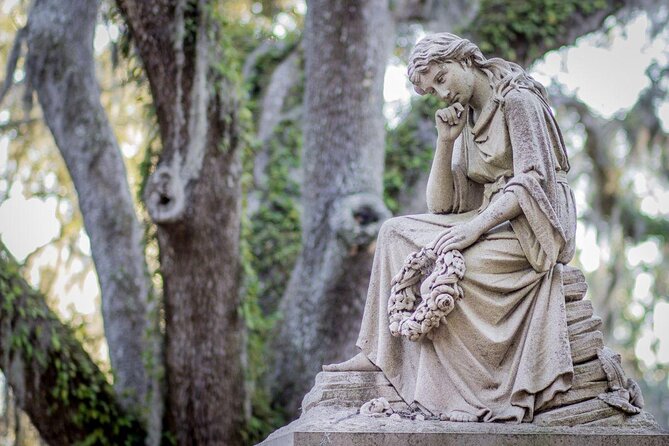
- Art-historian style explanations: you learn how symbolism and monument design work
- A guided stroll through top historic sections: not a random walk, a focused route
- Famous Savannahians’ final resting places: Johnny Mercer and Conrad Aiken are part of the story
- Victorian burial traditions and funerary art: you’ll know what to look for in the carvings
- Plant life and stone details: moss, layout, and headstone features all get attention
- Small-group feel: capped at 30 people, with a pace meant for close viewing
Bonaventure Cemetery: how art and mourning become readable
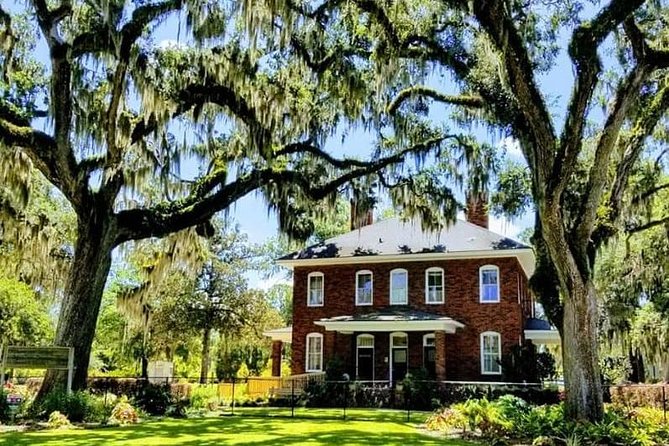
Bonaventure Cemetery doesn’t feel like a typical cemetery visit. It feels like Savannah decided to put its artistic brain to work on how people remembered the dead. The air is still, the pathways curve, and every monument is trying to say something. This tour helps you catch the message.
What makes the experience so satisfying is that it gives you a method. You stop thinking of grave markers as just names and dates. Instead, you start treating them like symbols on a map. You’ll hear why certain designs were chosen, how Victorian-era beliefs shaped funerary art, and how those choices connect to the people and culture of Savannah.
For the first stretch of your walk, pay attention to what the guide points out rather than what you assume you already know. Once you start noticing things like ornament style, carved motifs, and the overall arrangement of family spaces, the whole cemetery clicks into place.
You can also read our reviews of more historical tours in Savannah



Who leads the walk: Shannon Scott and a team built for storytelling
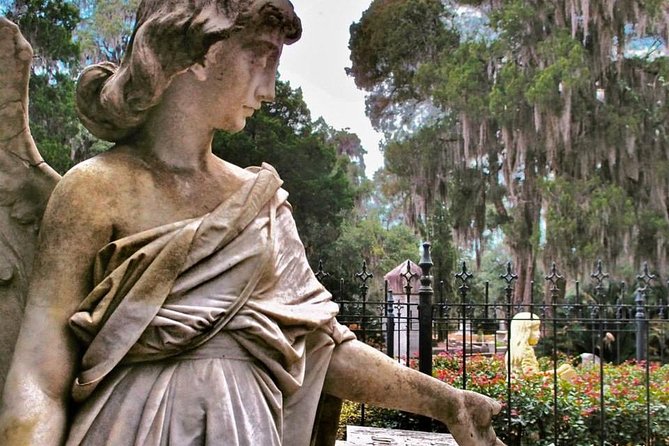
The host for this experience is Shannon Scott, with assistants who keep the tour moving and the explanations sharp. Depending on the day, you might also be led by one of the other skilled guides associated with the program, including Hannah, Ken, Paschal Miller, Jonita, Jon, Rick, or Rich Lane. What matters most is not which name you get, but the tone: you’re walking with someone who can connect stone details to Savannah.
You’ll feel the difference between a history talk and a guided “seeing” session. The guides don’t just tell you what a monument is. They show you where to look and what the design choices might mean. And since the tour is guided by both a local storyteller and a professional art-history guide, you get two angles at once: place-based context and design-based interpretation.
That dual approach is a big part of the value. A cemetery is visual first. If the tour only covered dates, you’d still have to figure out the design language yourself. Here, the design language is part of the lesson.
Your 2-hour walk: what you’ll actually cover inside Bonaventure
The tour stays focused on Bonaventure Cemetery. You start at the meeting point (2XR4+R6 Savannah), and then you move into the cemetery for about two hours of guided wandering.
You’ll be led through some of Bonaventure’s most coveted historic sections, with detailed stops that connect the visual elements to the people buried there. The tour style is not rapid sightseeing. It’s built for stopping, looking, and asking questions.
As you walk, expect the guide to weave together several themes:
- famous individuals’ connections to Savannah
- the symbolism and art carved into headstones and monuments
- burial rites and what Victorian-era memorials were trying to communicate
- statues and architectural choices within family plots
- plant life and the way the cemetery’s setting becomes part of the meaning
This is why the route feels more like a guided reading than a checklist. You’re not just learning who is buried where. You’re learning how the cemetery is designed to shape memory.
How to spot symbolism on stone (so the tour lasts after you leave)
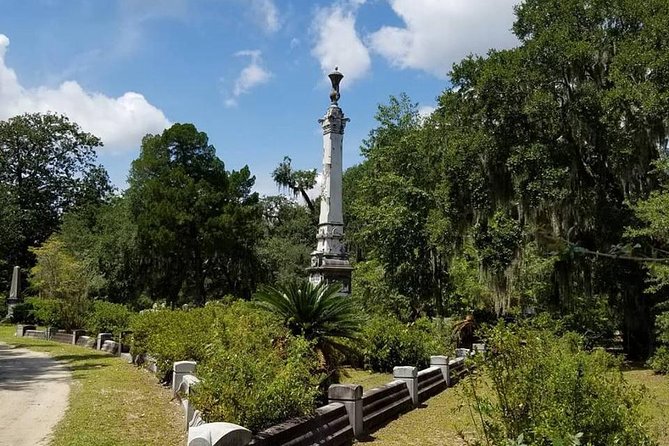
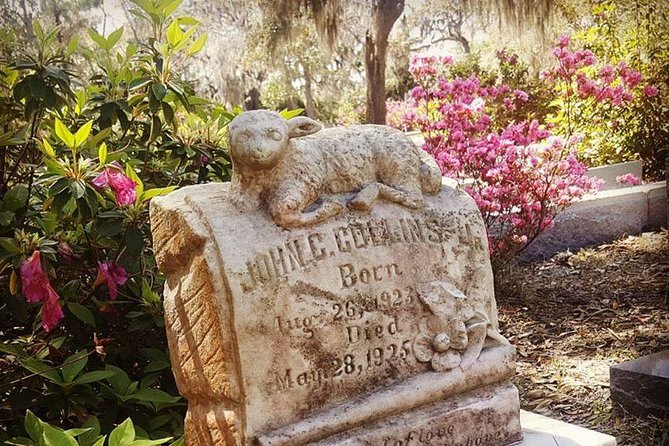
If you take one takeaway from this tour, make it this: funerary art uses design like language. Once you learn a few patterns, you’ll start “translating” monuments around you.
The guides focus on what you can see up close: the motifs on stones, the style of monuments, and how symbolism shows up in the cemetery’s overall approach to commemoration. You’ll also learn about the burial traditions that influenced what families selected for their memorials.
Here’s what you should do during your stops:
- Look for repeated motifs across different graves. The guide will connect them to meaning.
- Notice how family plots are arranged. The space itself is part of the message.
- Compare what you see in ornamentation versus layout. Sometimes the symbolism is not just on the carving, but also in the structure and placement.
Even if you’re not a “symbol person,” you’ll likely enjoy this part because it turns walking into an active activity. You stop feeling like you’re passively staring at stone, and you start feeling like you’re decoding a story.
Famous graves and Savannah links you can build a trip around

Bonaventure is known for high-profile burials, and this tour uses those names as anchor points for deeper context. Among the featured graves you’ll hear about are Johnny Mercer, Conrad Aiken, and Little Gracie, plus connections to locations associated with Midnight in the Garden of Good and Evil.
These stop choices matter because they help you understand why Bonaventure became culturally famous beyond its walls. You’re not just touring a cemetery. You’re touring a place that became part of Savannah’s larger identity—through literature, local myth, art, and history.
If you’re a fan of that famous Savannah book-and-film legacy, this is an efficient way to connect the story to real geography. Instead of trying to map scenes from memory, your guide points you to the spots and explains what makes the cemetery feel like a character in the larger Savannah narrative.






Walking versus shortcuts: why you may want to go on foot

One practical detail that makes this tour better is that it’s designed as a walking experience. You’ll get close enough to truly see the details the guide is explaining. If you’ve ever visited a cemetery and felt like the monuments were just too distant, this is the fix.
You’ll also want to treat it like a normal outdoor walk:
- wear shoes that work on uneven ground
- keep an eye on the weather and dress accordingly
- bring water, especially if it’s warm
A cemetery walk can feel long if you’re wearing the wrong shoes or you’re underprepared for humidity. The tour aims for a comfortable pace, but you still need your body to cooperate.
Weather, pacing, and who this is best for
This experience runs in all weather conditions, so you’ll need to dress for the day you get. You’re also told to have a moderate physical fitness level, which tells me the tour is not the kind of gentle mobility-only stroll where you do minimal walking. Still, it’s paced for people to follow along and stop frequently.
This tour fits especially well if you like:
- history that’s tied to what you can see in front of you
- art, architecture, and symbolic design
- a structured walk where someone keeps you from missing the point
It also works well for couples and visitors who want one strong guided experience in a place that can otherwise feel overwhelming. A group limit of 30 helps keep the experience from turning into a loud shuffle.
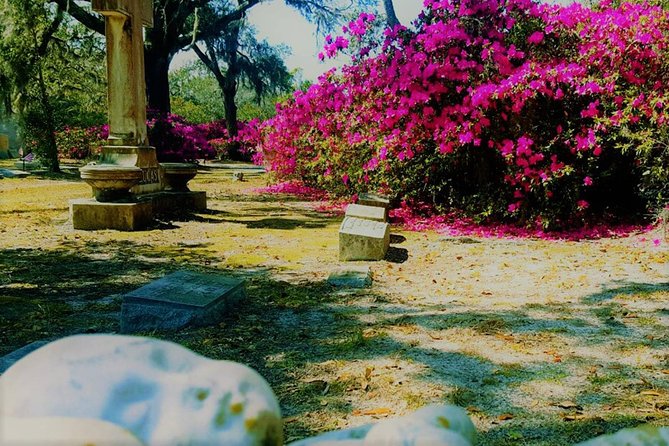
And if you’re visiting in a season where Bonaventure’s plant life is at its best, you’ll probably appreciate the way the tour includes that setting as part of the story, not just as background.
Price and value: why $30 can make sense here
At $30 per person for about two hours, this is one of those tours where the cost feels reasonable because the included value is real: you get a professional guide and an art historian guide plus local guidance, and an admission ticket is included.
The math gets better if you were already planning to visit Bonaventure anyway. Even without trying to compare exact admission pricing, the guided layer is what you’re really paying for: someone interpreting the monuments while you’re there, not after you’ve gone home with blurry photos.
Also, the size cap matters. A smaller group means more time to stop and look, and less time waiting your turn while others move ahead. In a visual place like a cemetery, that’s not a small detail. It’s the whole experience.
Getting there and meeting your guide without stress
Your meeting point starts at 2XR4+R6 Savannah, and the activity ends back at the meeting point. You’ll also be told to check Parking & Meeting Instructions in advance.
One practical tip: don’t assume the closest office is the start point. The tour begins on the river parking area, so once you arrive, look for the start area for this specific cemetery walk rather than guessing based on which building seems most like a visitor center.
Because this is about 3 miles out of town, plan on having a car or rides that get you there. Hotel pickup and drop-off are not included, so think logistically before you commit to a time slot.
Should you book the Bonaventure Cemetery Scenic History Art Symbols and Film Tour?
I’d book it if you want Bonaventure to make sense as you walk, not after. The tour is built for noticing details: symbolism, monument style, burial traditions, and the Savannah connections tied to names like Johnny Mercer and Conrad Aiken.
You might skip it only if you’re the type who wants purely documented history with no storytelling, no interpretation, and no local lore. This cemetery is cultural as well as historical, and the tour leans into that blend. If that’s your preference, you’ll still probably enjoy it, but keep your expectations aligned.
If you do book, go prepared for an outdoor walking experience and give the guide your attention at the stops. That’s where the magic happens—and it’s also what makes the $30 price feel like a bargain.
FAQ
How long is the Bonaventure Cemetery guided tour?
It lasts about 2 hours.
What is the price per person?
The price is $30.00 per person.
Is admission included?
Yes. An admission ticket is included with the tour.
Where does the tour meet?
The tour starts at 2XR4+R6 Savannah, GA, USA. You should also check the Parking & Meeting Instructions you receive.
Does the tour run in bad weather?
It operates in all weather conditions. If it’s canceled due to poor weather, you’ll be offered a different date or a full refund.
Is there a walking requirement?
Yes. It requires a moderate physical fitness level, and it’s a guided walk through the cemetery.
How big is the group?
The tour has a maximum of 30 travelers.
What is included versus not included?
Included: a professional guide, a professional art historian guide, and local guide. Not included: DVD (available to purchase) and signed poster art (available for purchase), plus hotel pickup and drop-off.
Can I cancel and get a full refund?
Yes. You can cancel up to 24 hours in advance for a full refund. If you cancel less than 24 hours before the start time, the amount paid will not be refunded.
Are service animals allowed?
Yes, service animals are allowed.