REVIEW · SAVANNAH
Andrew Low House
Book on Viator →Operated by Andrew Low House Museum · Bookable on Viator
A mansion with stories behind every door. The Andrew Low House Museum pulls you into 19th-century Savannah through a docent-led route inside a handsome Italianate mansion plus time to stroll the gardens.
I especially like how the tour connects the architecture to real people—Andrew Low’s world, and his son William Low’s inheritance that eventually ties to Juliette Gordon Low, the Girl Scouts founder. I also like that the tour doesn’t treat the past like a postcard; it explains how the enslaved community lived and labored at the home. One heads-up: the route is selective, so some areas of the house (including parts used as offices) aren’t included in what you see.
In This Review
- Key Things to Know Before You Go
- Andrew Low House: Italianate Architecture With a Big Savannah Connection
- Timing Your Docent Tour: About an Hour, Multiple Departures
- Stop Inside: How the First Floor Tells the Low Family Story
- Upstairs Highlights: Playroom, Indoor Bathroom, and Bedrooms
- What You Don’t See: Offices, Collections, and the Areas That Feel Off-Limits
- Gardens Outside: When the Tour Becomes a Savannah Walk
- The Enslaved Community Story: One of the Tour’s Most Important Values
- Price and Value: Is $15 Worth Your Hour?
- Practical Tips: Mobile Ticket, No Bathroom, and Service Animals
- Who Should Book This Tour (and Who Might Skip It)
- Should You Book the Andrew Low House Museum Tour?
- FAQ
- How long is the Andrew Low House Museum tour?
- How much does it cost?
- What language is the tour offered in?
- Is there a bathroom available during the experience?
- What are the opening hours?
- Do I need to print anything?
- Is there free cancellation?
Key Things to Know Before You Go
- Docent-led tours run often: departures are timed around the hour and half-hour.
- You’ll get the architecture context: the mansion’s Italianate design is part of the story.
- Low family details are front and center: including how family inheritance shaped what you see.
- The tour includes slavery and labor at the house—not just the owners’ rooms.
- Not everything is open: some spaces are used for offices or administration.
- The gardens add breathing room after the house portion.
Andrew Low House: Italianate Architecture With a Big Savannah Connection
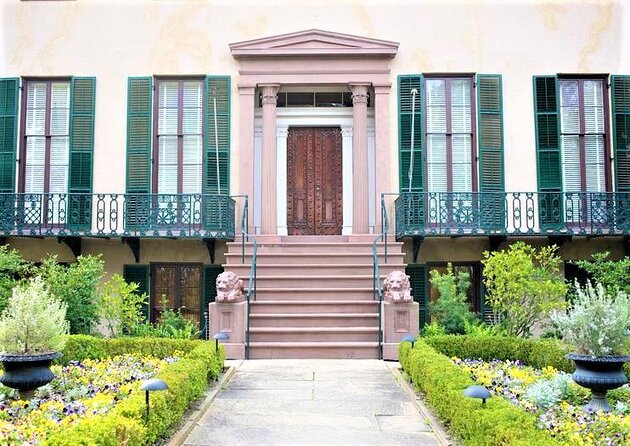
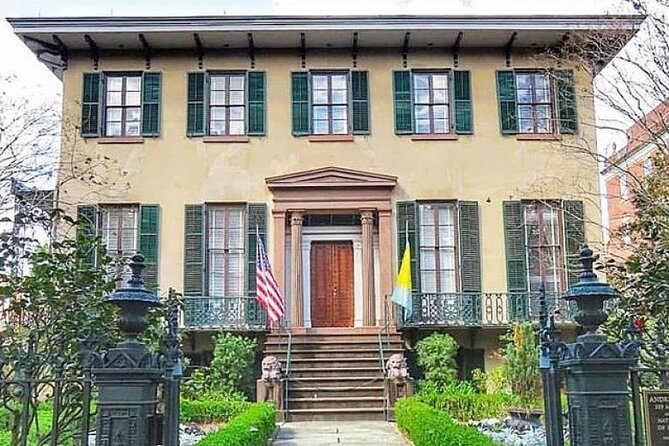
The Andrew Low House is the kind of place where you can’t fully understand the rooms without understanding who built and occupied them. This is an Italianate mansion built for Andrew Low, a wealthy cotton merchant, with the house designed by John Norris, an architect known for major work coming out of New York.
What makes the house feel meaningful is the human thread. After Andrew Low passed away, his son William and Juliette Gordon Low (the Girl Scouts founder) inherited the home. So even if you’re not a deep-history person, you’ll still get a clear reason this address matters beyond Savannah street corners.
On a practical level, you’re touring a preserved museum space, not a brand-new attraction. That usually means the pacing is straightforward: you follow the docent, you see what’s been set aside for visitors, and you leave with a better sense of what life was like in 19th-century Savannah.
You can also read our reviews of more tours and experiences in Savannah.



Timing Your Docent Tour: About an Hour, Multiple Departures
Plan around a roughly 1-hour total experience. The guided portion is about 40 minutes, which is a nice length for a history stop—enough time to feel oriented, without turning into a full afternoon commitment.
Tours depart about every 30 minutes, timed on the hour and half-hour, and the museum runs Monday through Saturday, 10:00 AM to 4:00 PM. If you’re in Savannah for a short window, this schedule is convenient because you can usually align it with nearby sights.
One booking tip: the tour is often reserved ahead (around 18 days on average), so if you’re traveling during peak periods, grab a time window sooner rather than later. A museum with multiple daily departures still sells out occasionally, and you don’t want to lose the slot you picked.
Stop Inside: How the First Floor Tells the Low Family Story
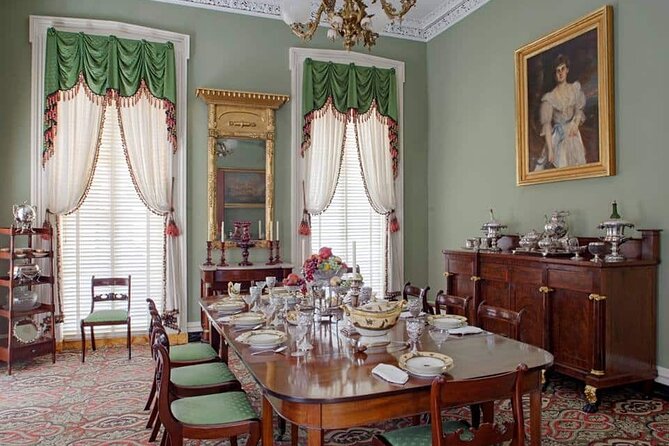
Your house portion starts with the docent-led tour, and the first floor is where you’ll get the clearest view of how the Low family used space. This level includes the family’s formal and informal parlors, plus the library and dining room.
I like the way this mix works. Parlor space tells you how people hosted. The dining room points to everyday rituals and status. And the library gives you a sense of education, business, and the kind of household Andrew Low ran as a cotton merchant.
You also get the story of people who lived and worked there who often get skipped in house museums. The tour discusses the enslaved community at the home—how they lived and labored. That context changes how you look at each room, because you start connecting the comfortable public spaces with the labor that supported them.
Upstairs Highlights: Playroom, Indoor Bathroom, and Bedrooms

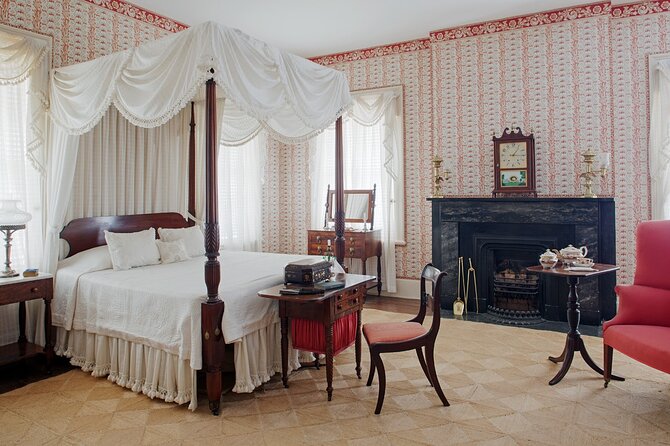
After the first floor, the tour moves upstairs, where the house shifts from adult public life to family and private spaces. Expect a children’s playroom, a rare-for-the-period indoor bathroom, and bedrooms—some with extra layers of story.
The indoor bathroom detail matters because it’s unusual for the time period. It signals the household’s comfort and modernity compared to what many people had access to in that era.
Bedrooms add a different kind of interest. Two bedrooms were once occupied by notable guests of the family, which helps you picture how the house functioned as a social center, not just a private residence.
If you’re the type who likes learning how families structured daily life, upstairs is a strong payoff. You’ll get the feeling of a home that was meant to host, but also a place where childhood and private routines had their own rooms.
What You Don’t See: Offices, Collections, and the Areas That Feel Off-Limits
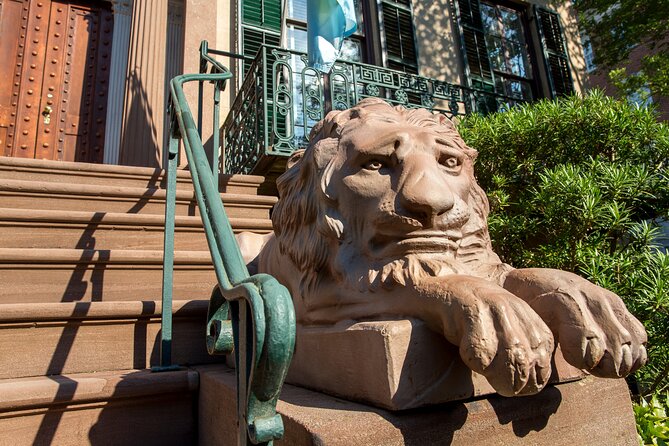
Here’s the part worth planning for if you’re a “see the whole house” person. The tour is focused on the rooms and portions designated for visitors, and not every area of the Andrew Low House is part of the guest route.
One important example is the basement level. It’s where administrative offices are located today, along with collection files. So if you’re expecting a full tour of every floor, you may leave wanting to know more about the spaces that have shifted away from public viewing.
There’s also a second point some people notice: parts that might have helped explain daily operations, including help or kitchen-related areas, aren’t included in the visitor route. The main house rooms you do see tend to represent a portion of the original family collection, while some spaces are used for other purposes.
This isn’t a deal-breaker for many people. But it is a real consideration. If you’re craving an expansive “every room” mansion day, you’ll need to calibrate your expectations and treat this as a smart, curated house tour rather than a complete walkthrough of the entire building.




Gardens Outside: When the Tour Becomes a Savannah Walk
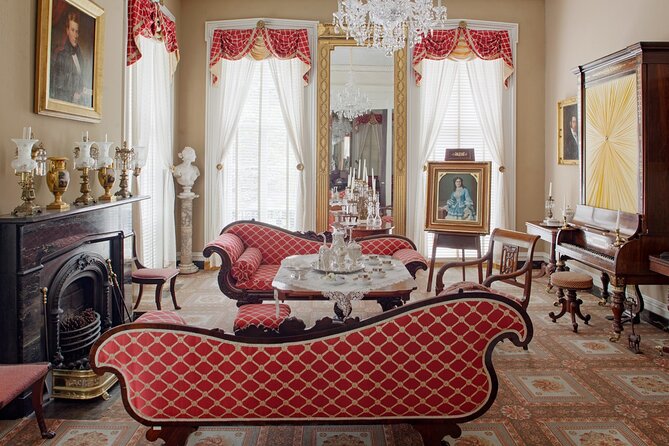
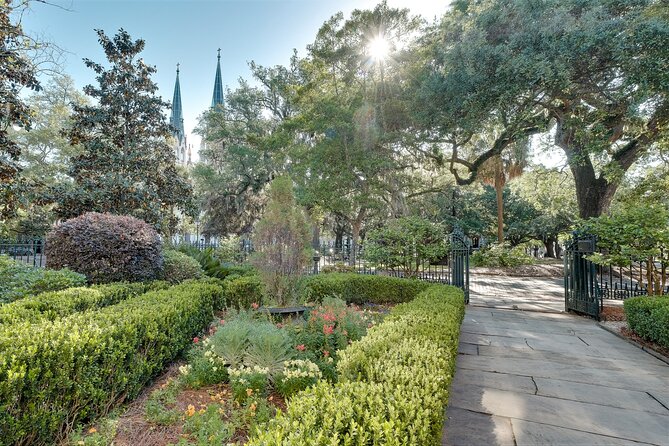
The museum experience isn’t only about indoor rooms. The gardens are part of the overall appeal, and you’ll have a chance to wander after the guided portion.
I like garden time at historic sites because it helps you connect the house to its setting. You stop thinking only about interior design and start picturing everyday life: people moving between spaces, household rhythms, and what outdoor areas were used for.
Also, if you’re doing multiple stops around Savannah, gardens are a low-effort transition. Your brain gets a break from facts-heavy interiors, and you can soak in the mood of the block.
Just keep in mind that the house tour itself is time-boxed. Treat the gardens as a bonus stroll, not the main event.
The Enslaved Community Story: One of the Tour’s Most Important Values
Some house museums focus mostly on owners and architecture. Here, the tour explicitly discusses enslaved people who lived and labored at the home. That means your visit isn’t just about style and family pride; it’s also about how the household was supported through forced labor.
I find this approach makes the house more honest. It helps you avoid the trap of viewing the past as a set of pretty rooms detached from harm. When a docent explains that enslaved people lived and worked at the house, you start asking better questions while you’re in the rooms.
It also adds weight to the tour pacing. The docent doesn’t rush past the human context, and that gives the experience a clearer purpose. Even if you’re short on time, this is the part of the Andrew Low House visit you’ll carry with you.
Price and Value: Is $15 Worth Your Hour?
At $15 per person, this tour is priced like a focused museum stop, not a full-day attraction. The value comes from what’s included: museum admission for the guided house portion.
For that money, you get:
- a guided tour of the historic mansion
- structured access to specific rooms (first floor and upstairs)
- context about the Low family and the Girl Scouts connection
- mention of enslaved people connected to the home
The time commitment is manageable too. A roughly 1-hour experience fits easily into an itinerary, especially if you’re already planning several Savannah sights.
Would I call it a bargain? For the included guidance and the interpretive focus, yes. The only way it might not feel worth it is if you strongly prefer seeing every nook and cranny, including service areas and back-of-house spaces. If you’re okay with a selective route, the price-to-time ratio works well.
Practical Tips: Mobile Ticket, No Bathroom, and Service Animals
A few practical things can make or break your experience.
First, you’ll use a mobile ticket, and you should receive confirmation at booking time. That’s helpful if you’re bouncing between stops during the day.
Second, plan around the lack of facilities. The experience does not include bathroom facilities. If you’re out for a full Savannah day, handle that before you arrive, because you don’t want the tour to become a frantic timing problem.
Third, service animals are allowed, and the site is near public transportation. That helps if you’re traveling without a car or don’t want to stress about parking.
Finally, the tour is offered in English, and most people can participate. If you’re sensitive to older buildings or tight stairs, consider that you’ll be moving through a historic house layout, not a flat modern museum floor.
Who Should Book This Tour (and Who Might Skip It)
This is a strong fit if you:
- want Savannah history tied to a real family narrative
- care about architecture and how design reflects status
- like docents who explain both household life and the labor system behind it
- can enjoy a focused route rather than a total building walkthrough
You might think twice if you:
- want access to every area of the house, including spaces used as offices or non-public service areas
- hate short, structured tours that feel a bit too “guided and contained”
- need bathroom facilities during the visit
In short, the Andrew Low House Tour works best as a guided, historical “anchor stop” that gives you a clean understanding of the home and its people, then lets you move on feeling oriented.
Should You Book the Andrew Low House Museum Tour?
I’d book it if you’re in Savannah and you want a high-signal historic house stop without spending half a day. For $15, you get a docent-led tour with a real story thread: the Low family, the architecture, the Girl Scouts link through Juliette Gordon Low, and an explanation of enslaved people connected to the home.
My call comes down to expectations. If you go in wanting the main rooms and upstairs spaces plus interpretive context, you’ll likely feel satisfied. If you’re chasing a complete, room-by-room sweep of every floor—including office and service areas—then you may find the route too limited for your style.
If you’re planning your days carefully, this one is worth adding. It’s one of those stops that leaves you understanding the neighborhood and the era, not just snapping a few photos.
FAQ
How long is the Andrew Low House Museum tour?
The experience is about 1 hour in total, with a docent-led tour lasting about 40 minutes.
How much does it cost?
It costs $15.00 per person.
What language is the tour offered in?
The tour is offered in English.
Is there a bathroom available during the experience?
No. The experience does not include bathroom facilities.
What are the opening hours?
Monday through Saturday, from 10:00 AM to 4:00 PM.
Do I need to print anything?
No. You’ll use a mobile ticket.
Is there free cancellation?
Yes. You can cancel up to 24 hours in advance for a full refund.