REVIEW · SAVANNAH
Guided Savannah Civil War History Walking Tour
Book on Viator →Operated by Noble Jones Tours, LLC · Bookable on Viator
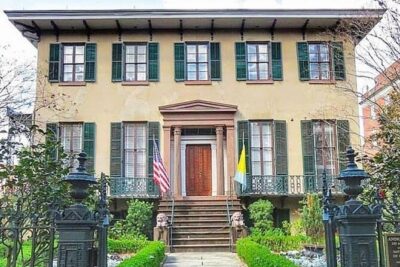
Savannah has war in its brickwork. This guided Civil War walking tour turns Antebellum streets into a clear timeline, from secession to Reconstruction or Retribution. It’s an easy way to see why Savannah mattered, not just how it looked.
I love the way the narration sticks to real places, including where Robert E. Lee visited and where Sherman set up his headquarters. I also like the structure: the guide keeps you moving through big turning points like Sherman’s March to the Sea and Special Order No. 15 without losing the plot.
One consideration: this is still a steady walk through historic neighborhoods, and the experience depends on good weather, so plan for heat and comfortable shoes.
In This Review
- Key things I’d circle before you go
- Reynolds Square to Oglethorpe Square: The Start and Finish That Make Sense
- Two Hours on Foot: Pace, Group Size, and How You’ll Hear the Guide
- The Guided Civil War Timeline Through Savannah’s Antebellum Streets
- Sherman’s March to the Sea and Sherman’s Headquarters: Why This Part Hits Hard
- Special Order No. 15 and the Reconstruction vs. Retribution Debate
- Robert E. Lee’s Savannah Visits: Getting Specific About Where History Happened
- Savannah Squares as Story Stops, Not Just Pretty Views
- The Guides: Names You Might Hear, Styles You Can Expect
- Price and Value: $40 for 2 Hours of Civil War Storytelling on Real Streets
- Who Should Book This Tour (and Who Might Want Something Else)
- Should You Book This Savannah Civil War History Walking Tour?
- FAQ
- Where is the tour starting point?
- Where does the tour end?
- How long is the walking tour?
- How much does the tour cost?
- Is the tour offered in English?
- Do I get a mobile ticket?
- How big are the groups?
- Are service animals allowed?
- Does the tour run in any weather?
- Can I cancel and get a full refund?
Key things I’d circle before you go

- Reynolds Square start and Oglethorpe Square finish makes the route feel like a loop through key blocks
- Small groups (max 15) means you can actually hear the guide and ask questions
- The story covers the whole arc: secession, Sherman’s campaign, and the Reconstruction vs. retribution debate
- You’ll get clear context on major figures like John Geary and Oliver Howard
- Past tours have highlighted guides like Kelce, Pierce, Champ, Rodney, and Robert, with lots of fact-checking and Q and A time
Reynolds Square to Oglethorpe Square: The Start and Finish That Make Sense
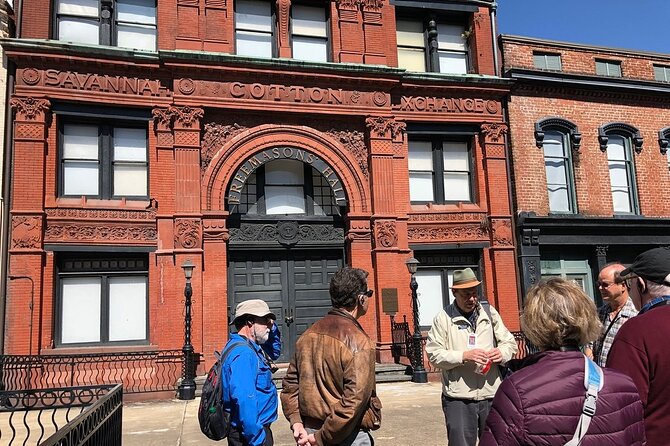
You meet at Reynolds Square, 32 Abercorn St, Savannah, at your chosen departure time. That matters because it puts you right in the thick of the historic district right away, instead of scrambling across town to find a topic.
The tour ends at 127 Abercorn St, in/near Oglethorpe Square. I like that the finish is still in the downtown square system. After the walk, you’re not stuck at some far-off corner—you can keep exploring on foot or hop on public transport.
Practical tip: arrive a few minutes early. The tour is timed, and with a small group, late arrivals can throw off the first moments of the story.
You can also read our reviews of more walking tours in Savannah



Two Hours on Foot: Pace, Group Size, and How You’ll Hear the Guide
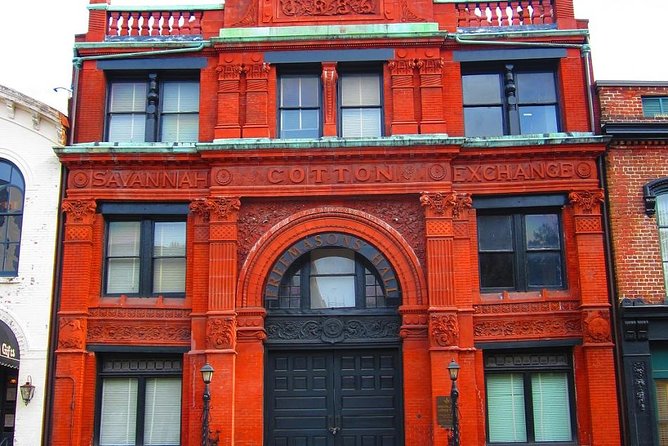
The tour runs about 2 hours. That’s long enough to cover the big Civil War beats (not just a quick “highlights” stroll), but short enough that you won’t feel like you’ve sacrificed half a day in Savannah.
Group size is capped at 15 travelers. In real terms, that usually means you get a more human experience than the giant-bus style tours. You can ask questions, and the guide can keep everyone on the same timeline.
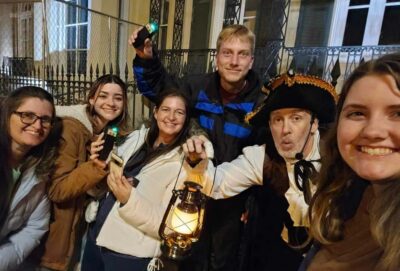
You’ll also have an audio setup. Some guides use an earbud style system so you can hear the commentary clearly while still looking around at buildings and squares. One reason I like this format is simple: Savannah’s streets are the show, and you shouldn’t have to choose between listening and noticing.
If you’re the type who likes your history in chronological order, this tour’s pacing helps. The best feeling here is that you’re not just collecting facts—you’re getting a narrative you can remember.
The Guided Civil War Timeline Through Savannah’s Antebellum Streets

The tour moves through Savannah’s Antebellum section of the historic district. That framing is more important than it sounds. You’re not only learning what happened in the Civil War—you’re learning why certain ideas took hold in this city.
You’ll start with the cultural and political leanings of Savannah and the reasons for secession. Then the guide builds forward through major campaigns and wartime decisions, including Sherman’s March to the Sea. You’re meant to see those events as part of one chain, not as isolated chapters.
What you get in the narration is the kind of context that makes later events make sense. For example, the discussion isn’t just about battles—it connects policy and lived reality. The tour also takes up the turning point after the war, framed as the question of Reconstruction or Retribution. That theme is a good match for Savannah, because the city’s history didn’t reset after Appomattox—it kept evolving.
A plus: the guide stays on the timeline and keeps it readable. Even if you’re not a Civil War expert, you should be able to follow along. If you are a history person, you’ll likely appreciate that the guide doesn’t treat the topic like one long argument—it treats it like people, decisions, and consequences.
Sherman’s March to the Sea and Sherman’s Headquarters: Why This Part Hits Hard
Sherman’s March to the Sea is one of the tour’s headline topics, and it’s not an abstract one here. You’re walking through the kind of urban fabric where headquarters and planning show up in the story, so the information feels grounded.
You’ll also hear about Sherman’s headquarters and the logic behind the campaign. The tour doesn’t just say what happened; it connects the campaign to what changed afterward. That’s what makes this stop section feel more serious than a typical “troops marched here” moment.
If you’re wondering what you’ll be looking at while you listen, think: streets, building locations, and Savannah squares as the stage. The guide uses those surroundings to frame the narrative, so you’re constantly linking the past to the present street plan.
One thing to keep in mind: this isn’t a casual ghost story style tour. The content focuses on real decisions and real policies. If you like your history direct and story-driven, this section is a strong payoff.
Special Order No. 15 and the Reconstruction vs. Retribution Debate
Special Order No. 15 is one of the most discussed and most complicated wartime-to-postwar topics in Civil War history. This tour tackles it, and that alone is a big reason it earns such high marks.
What I like about how tours like this can work is the way they force you to confront consequences. The march is the movement. Special Order No. 15 is one of the big policy pivots that shows how wartime actions affected civilians and shaped the next phase of the country.
Then comes the tour’s big framing question: Reconstruction or Retribution. That’s a useful lens because it turns the postwar era into something you can actually track. Instead of treating Reconstruction as a generic word, the guide helps you see it as a choice people were actively making—and resisting.
You’ll also hear about roles of key leaders during the Reconstruction era, including General John Geary and General Oliver Howard. When those names get dropped with street-level context, they stop being just textbook references and start feeling like real actors in a real timeline.
You can also read our reviews of more guided tours in Savannah






Robert E. Lee’s Savannah Visits: Getting Specific About Where History Happened
This tour doesn’t keep Robert E. Lee at the level of famous portraits. You’ll walk through areas connected to where Lee visited Savannah during his many trips. Seeing how the guide ties those visits to specific blocks is part of what makes the experience memorable.
It also helps that Savannah’s layout is made for walking and noticing. The guide uses the squares as natural pause points, so the story can land, then you move on.
If you like history that tells you what happened and then tells you where to stand to understand it, this part delivers. It’s the kind of detail that makes your photos more meaningful afterward, because you’ll remember what the place meant.
Savannah Squares as Story Stops, Not Just Pretty Views
Savannah’s squares aren’t just scenery on this tour. They work like checkpoints in the narrative. You’ll enjoy several beautiful squares along the way, and those spaces help you reset during the walk.
In the feedback, people often mention that the pacing feels comfortable, including a few stops where you can rest your feet. I’d treat this as a walking tour first, and a history lesson second, in a good way. The tour uses the city’s layout to keep the experience workable for a wide range of travelers.
Even better: it’s not only “old buildings” sightseeing. The guide ties the squares back to the cultural and political leaning of Savannah, and to the shift from antebellum confidence to wartime disruption.
If you’ve only seen Savannah from a carriage or from a quick drive-by, this is the version where you earn the city’s look with context.
The Guides: Names You Might Hear, Styles You Can Expect
This is one of those tours where the guide can make a noticeable difference, and the track record looks strong. Past tours have been led by guides including Kelce, Pierce, Champ, Rodney, and Robert, and the patterns in the praise are consistent.
Here’s what that feedback suggests you’ll value most:
- Clear, structured explanation that stays on the timeline
- Answers to questions without hand-waving
- Storytelling that separates fact from myth and avoids drama for drama’s sake
- Extra touches that keep things human, like visual aids or helping when the weather turns warm
One review also described the experience as paced well, with the guide keeping everyone together. Another talked about a university professor style approach, which can be a great match if you like your history explained with careful context.
I can’t guarantee which guide you’ll get on your date, but if your priority is learning with solid structure, this tour has the kind of reputation that points in the right direction.
Price and Value: $40 for 2 Hours of Civil War Storytelling on Real Streets
The price is $40 per person for about 2 hours. On the surface, it’s “just” a walking tour. In practice, you’re paying for something more specific: a narrated tour that covers a serious slice of history and maps it to the city.
Here’s why the value works:
- You’re not only getting a list of sites. You’re getting a guided argument with an actual timeline: secession → Sherman → policy and postwar decisions → Reconstruction or Retribution.
- The tour includes major named topics like Sherman’s March to the Sea and Special Order No. 15, plus key figures like John Geary and Oliver Howard.
- Group size is capped at 15, which supports a better listening experience than mass tours.
Also, the tour is offered in English, and you get a mobile ticket. That reduces friction on arrival, which matters when you’re fitting activities into a busy Savannah day.
If you’re already planning museum time, this can still be a great add-on. It helps you see the “why” behind what you’ll read later.
Who Should Book This Tour (and Who Might Want Something Else)
This one is a strong fit if:
- You’re visiting Savannah and want your history to be specific to the streets and squares
- You like Civil War topics that connect to postwar outcomes, not only battles
- You want a guide who can answer questions and keep the timeline tight
It might be less ideal if:
- You hate walking or want a mostly indoor experience
- You’re looking for a light, casual overview only
- You prefer very short stops without discussion and you don’t like listening for stretches
The good news: the tour is described as suitable for most travelers, and it’s a small-group format. Comfort and pacing sound like strengths in the consistent feedback.
Should You Book This Savannah Civil War History Walking Tour?
Book it if you want a clear, guided Civil War storyline tied to actual Savannah places. The combination of Sherman’s March, Special Order No. 15, and the Reconstruction vs. Retribution question is exactly the kind of trio that makes this more than a sightseeing loop.
Skip it if you want only casual photo stops or you don’t want history explained with policy details and postwar context. But if you like understanding how decisions shaped real lives—and you enjoy walking between Savannah squares—this tour is one of the best value history buys you can make in the city.
FAQ
Where is the tour starting point?
The tour starts at Reynolds Square, 32 Abercorn St, Savannah, GA 31401.
Where does the tour end?
The tour ends at 127 Abercorn St, Savannah, GA 31401, in the Oglethorpe Square area.
How long is the walking tour?
It lasts about 2 hours.
How much does the tour cost?
The price is $40.00 per person.
Is the tour offered in English?
Yes. The tour is offered in English.
Do I get a mobile ticket?
Yes. The tour uses a mobile ticket.
How big are the groups?
The maximum group size is 15 travelers.
Are service animals allowed?
Yes, service animals are allowed.
Does the tour run in any weather?
This experience requires good weather. If it’s canceled due to poor weather, you’ll be offered a different date or a full refund.
Can I cancel and get a full refund?
Yes. Cancellation is free, and you can cancel up to 24 hours in advance for a full refund. If you cancel less than 24 hours before the start time, you won’t receive a refund.