REVIEW · SAVANNAH
Walking Tour of Savannah’s Must-See Sights
Book on Viator →Operated by Must-See Savannah · Bookable on Viator
A good Savannah intro starts with a short walk. This 2-hour loop through the Historic District hits the big photo stops and the lore that makes the city feel personal fast. I love the small-group feel (up to 12 people) and the way the guide turns architecture, street details, and local characters into stories you can remember. One thing to consider: it’s a standing-and-walking tour through squares, so if you hate crowds and don’t like to move for two hours, plan a slower option.
You’ll visit major stops like Forsyth Park, Monterey Square, Jones Street, Madison Square, Lafayette Square, and Troup Square, all tied together with context that goes beyond postcard facts. My favorite part is how the guide connects the scenery to the city’s bigger ideas, like where the park came from and how Savannah’s grid and squares shape your day. The only drawback I see for some people is that the style leans more story and local color than technical lecture, so architecture nerds may want extra reading or a second, more specialized tour later.
In This Review
- Key Highlights You’ll Actually Notice
- Why This Savannah Walk Works So Well for First-Time Visitors
- Cost and Pace: What $25 Buys in About Two Hours
- Start at Whitaker & Gaston and Step Into Forsyth Park’s Big Moments
- Monterey Square: Mansions, Midnight Lore, and a Gothic Revival Surprise
- Jones Street: The Prettiest Street for Photos (and the Small Details)
- Madison Square: Stoops, Gargoyles, Garden Details, and Civil War Echoes
- Lafayette Square: The Cathedral Area, Flannery O’Connor, and Street-Level Lore
- Troup Square: Why Locals Vote It Their Favorite
- What Makes the Guide’s Storytelling Matter (Especially on a Short Trip)
- After the Tour: How to Use That Concierge Brain for Your Next Stop
- Who Should Book This Tour, and Who Might Skip It
- Should You Book This Savannah Walking Tour?
Key Highlights You’ll Actually Notice
- Small group, max 12 people means you can ask questions and the pace stays friendly.
- Forsyth Park fountain and Armstrong-Kessler Mansion give you standout views in the first 15 minutes.
- Monterey Square lore pulls in Midnight in the Garden of Good and Evil and key historic links like Count Pulaski.
- Jones Street details focus on grey brick, stoops, and the moss-draped live oaks that define Savannah’s look.
- Madison Square ornament and curiosities include things like lapis-lazuli details, gargoyles, and even bookstore felines.
- Your tour ends at Lafayette Square, so you can keep exploring immediately without backtracking.
Why This Savannah Walk Works So Well for First-Time Visitors
Savannah can feel like a movie set if you’re not sure where to start. This tour is built to fix that fast. In two hours, you get a guided route through the iconic squares and streets that define the original city plan, plus a bunch of “how does this all fit together?” context so you can navigate on your own afterward.
I also like the value angle here. It’s only $25, and that buys you a licensed guide who acts like a mini concierge. That matters in Savannah, because the best meal or museum decision often depends on what you care about—quiet history, lively bars, art, or outdoor walks. After the tour, you’re not staring at a map wondering what’s worth the detour.
One more practical plus: you finish at Lafayette Square, not back at the start. That makes your post-tour plans easier, whether you’re heading to a museum, grabbing dinner, or just continuing the square-to-square rhythm.
You can also read our reviews of more walking tours in Savannah



Cost and Pace: What $25 Buys in About Two Hours
At $25 per person, this is priced like an entry ticket to the city’s “greatest hits,” not like a premium full-day excursion. And because it stays focused on the Historic District, you’re not paying for transport time. You’re paying for a human guide to read the city for you while you walk.
The pace is described as moderate, and most stops include short, focused time at key corners and facades. That means you’ll spend time standing and looking up—especially for stoops, carvings, and church architecture. If you’re the kind of visitor who likes photos but also wants the story behind them, this format is ideal.
It’s also timed well for a day plan. Think of it as the first chapter of your trip. Many people schedule this early so the rest of the day makes sense: where to park, which streets to return to, and how to build a route that keeps you from doubling back.
Start at Whitaker & Gaston and Step Into Forsyth Park’s Big Moments
The walk begins at Whitaker & Gaston in Savannah, with the guide meeting you at the corner of Gaston and Whitaker Streets. From there, you step straight into one of the city’s most recognizable green spaces: Forsyth Park.
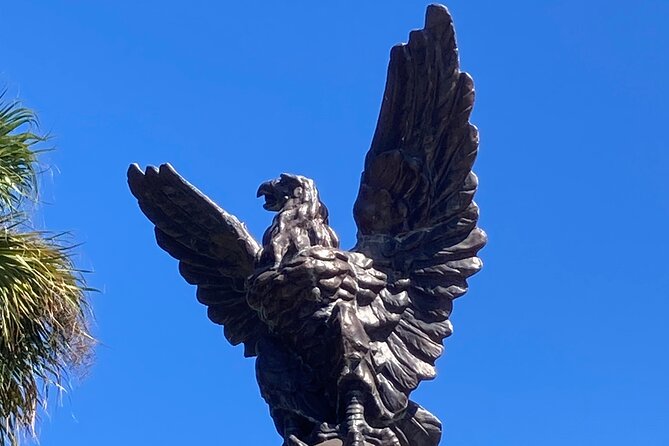
Forsyth Park isn’t just pretty grass. You’ll focus on the famous fountain, plus the visual power of the surrounding architecture and landscaping. The guide also points out the Armstrong-Kessler Mansion and its statuary garden, which gives you a different kind of photo backdrop than the squares farther south.
A useful thing you’ll learn here is how the park connects to the wider “Romantic Movement” ideas that helped shape this kind of urban space. That sounds abstract until you’re standing there: you start noticing how Savannah builds beauty into public life—parks, views, and the way people actually use these places.
Possible drawback for some visitors: Forsyth Park is a great starting scene, but it’s also where you’ll see the most “open space” walking. If you’re visiting in intense heat or storms, bring water and be ready for a bit of weather management.
Monterey Square: Mansions, Midnight Lore, and a Gothic Revival Surprise
Next up is Monterey Square, one of the handsome squares that anchors the Historic District’s drama. This stop is designed for people who want both eye-candy and story.
You’ll spend time around the stunning mansions and historic sights that sit around the square. The guide brings in connections to Midnight in the Garden of Good and Evil, including how the book’s popularity helped shape the modern spotlight on Savannah.
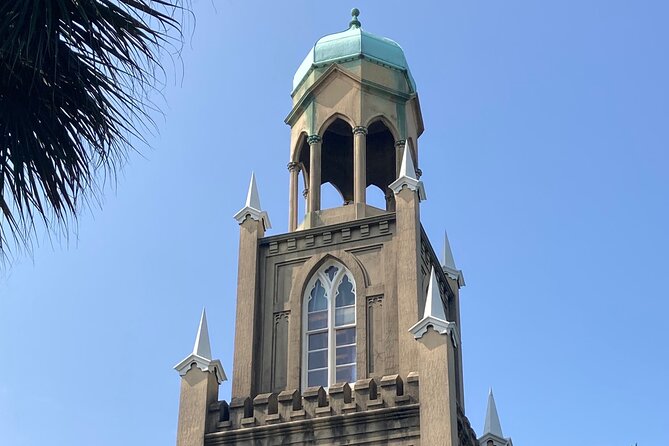
There’s also a specific architecture and history detail that makes Monterey Square more than a pretty pause: you’ll see the only Gothic Revival synagogue in the U.S. That’s the kind of fact that changes how you look at a building once you know what to watch for—shape, style, and what it signals about community history.
And you’ll hear about Savannah’s connection to Count Pulaski, plus other historic tidbits that connect the city’s bigger story to the people you’ll later keep reading about.
Jones Street: The Prettiest Street for Photos (and the Small Details)
Then you head to Jones Street, and this is where Savannah’s look gets real. The guide leans into why locals and visitors often call this the prettiest street in town.
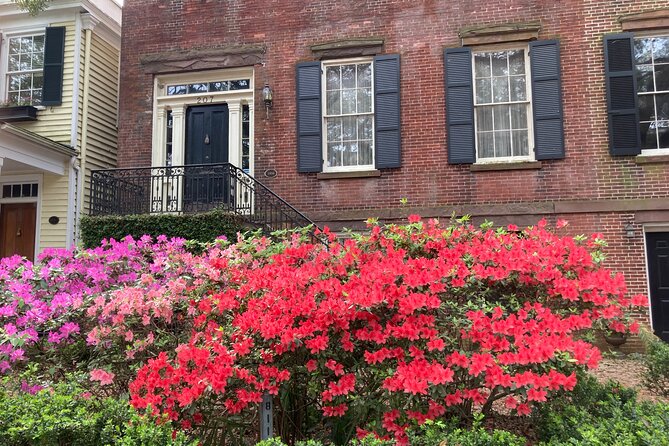
You’ll see the combination that makes Jones Street feel instantly Savannah: moss-draped live oaks, ornate ironwork, and homes with details that reward slow looking. You also get a strong dose of practical “what you’re actually seeing” history: Savannah’s grey brick, the Savannah Stoop, and the historic pavement.
Here’s why that matters. If you know what a stoop is and why it exists, you start seeing the city’s design logic instead of only seeing pretty houses. The stoop is a piece of daily life made architectural—shade, social space, and a place for conversation.
Jones Street also gives you real-world options during the walk. You’ll pass along areas with dining and shopping, so you can think about what you want next without leaving the route. If you’re short on time, this stop can help you decide which area to return to after the tour.






Madison Square: Stoops, Gargoyles, Garden Details, and Civil War Echoes
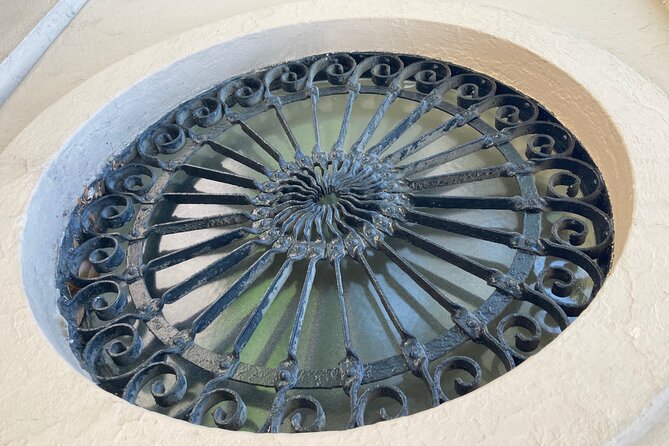
Madison Square is another must-see, and it comes with a long list of “look up and notice this” items. The stop is designed for curiosity: the guide points out features you’d likely miss on your own.
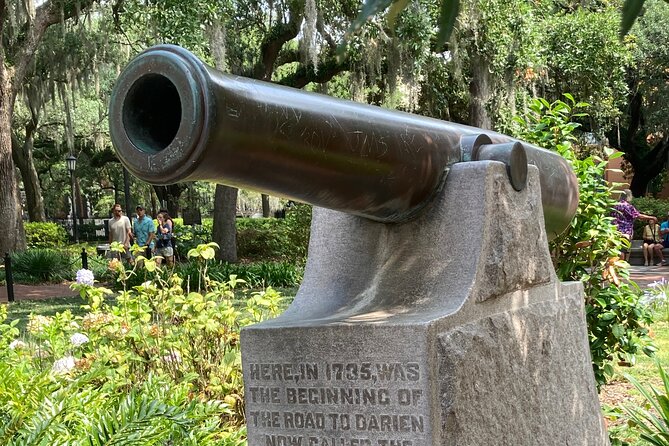
You’ll focus on carriage stoops and gargoyles, plus an English knot garden and decorative touches described as lapis-lazuli ornamentation. Historic cannons appear here too, giving you a sense that this wasn’t just a place for elegance—it also carried military and political weight.
One detail that adds a modern twist: the tour connects Savannah’s renown art school origins to a VW Beetle. That’s exactly the kind of bridge story that keeps Savannah from feeling like a museum piece.
The stop also covers how this place witnessed the drama of the Civil War. That context matters. It turns a square from a pretty open space into a stage where history actually played out.
You’ll also spot lighter curiosities, including references to bookstore felines and a British double-decker bus. Those moments might sound small, but they’re the best reminder that Savannah’s past and present share the same street corners.
Lafayette Square: The Cathedral Area, Flannery O’Connor, and Street-Level Lore
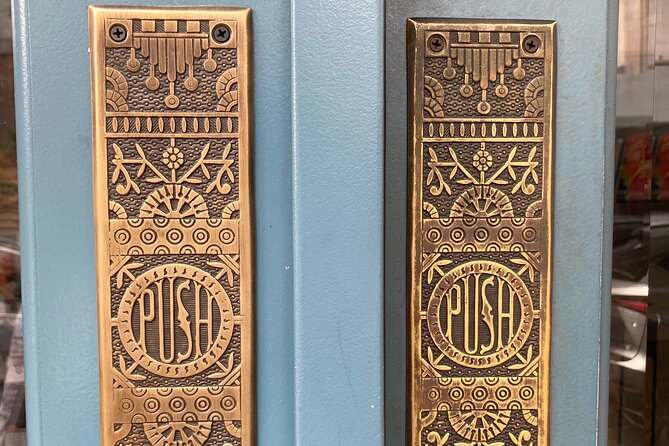
At Lafayette Square, you get a stack of famous names and then the kind of fine details that make the area feel lived-in.
You’ll cover highlights such as:
- the Hamilton-Turner Mansion
- the Andrew Low House
- the Cathedral Basilica of St. John-the-Baptist
- the connection to Flannery O’Connor
Then the guide shifts from big landmarks to smaller “how do I not notice that?” features. You’ll also see mention of a Charleston single house, the tour includes Savannah’s favorite stone lions, and there are playful local bits like Girl Scout cookie stockpile lore.
There’s even a fun food-and-nightlife angle in the mix, including references to a best dive bar and a connection to Joe Odom from The Book. Whether those specific anecdotes hit your personal taste or not, the method is the point: you’re learning how Savannah people talk about their city—seriously, jokingly, and with pride.
Lafayette Square is also where your tour ends. That’s a smart design choice because it gives you immediate momentum. You’re not finished at the place with nothing around it. You’re finished at a square that still has energy.
Troup Square: Why Locals Vote It Their Favorite
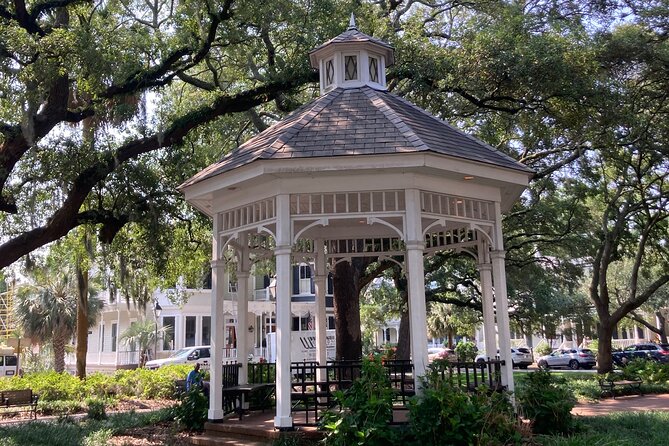
Finally, the tour heads to Troup Square, the kind of stop that feels like a reward. This isn’t just another square on a list. The guide frames it as the square Savannah residents vote their favorite, and it lives up to that idea with a concentration of charm and story per corner.
Troup Square is short—about 15 minutes—but it functions as a “last impressions” stop. By the time you reach it, you’ve already learned how to read Savannah. Now you can compare styles, stoops, and street details from one square to the next and see what’s distinctive here.
If you’re the kind of visitor who wants fewer stops and better photo results, this is a good square to linger near after the walk. The tour ends close by, and the area gives you an easy transition to your next plan.
What Makes the Guide’s Storytelling Matter (Especially on a Short Trip)
A walking tour can become a list of names. This one tries to be something better: a guided interpretation of what you’re seeing.
That’s why the guide’s storytelling style comes up again and again in practical ways. You’ll hear “insider facts” tied to buildings and streets, and the stories often connect to real Savannah themes like:
- architecture as daily life (not only decoration)
- how squares shaped movement and community
- how modern Savannah uses historic fame (including the Midnight effect) while staying rooted in the layout
I also like that the tour is designed to feel social without being chaotic. The small group size helps. People can ask questions, and the guide can adjust the conversation to what catches attention—architecture, history, nature details like moss and oaks, or culture references.
One consideration: if you want strictly technical architectural analysis, this tour may feel more anecdotal than academic. It’s still accurate and detailed, just aimed at keeping the city lively in your head.
After the Tour: How to Use That Concierge Brain for Your Next Stop
A real value-add here is the included concierge help. After two hours, you often have one problem: you know what you saw, but you still need a plan for what’s next.
Ask your guide what to do based on your interests. You’ll get recommendations for eateries, museums, and bars that fit the vibe you want after the walk. This is especially useful because Savannah is compact in some ways but confusing in others—street grids, square spacing, and parking all affect how long things take.
Also, you’ll now have landmarks you can navigate to without fear. You can point yourself toward new squares, hop to a museum, or choose a restaurant with confidence instead of guesswork.
Who Should Book This Tour, and Who Might Skip It
Book this if you:
- are visiting Savannah for the first time and want the major stops in one go
- like architecture details and street-level history, not just broad timelines
- want a short, affordable tour that sets you up for a full day on your own
- appreciate culture connections like Midnight in the Garden of Good and Evil
You might choose a different option if you:
- hate standing for extended periods
- prefer highly technical explanations over story-driven city context
- are looking for a long route with lots of walking mileage. This is focused and efficient, not a march across town.
If you’re visiting with teens, adults of mixed ages, or even a first-timer plus a seasoned returnee, this format often works well because there’s something for different tastes at each stop.
Should You Book This Savannah Walking Tour?
If you want a fast, memorable orientation to Savannah’s core sights, I’d book it. For $25 and about two hours, you get a guided route through the iconic squares, major architecture moments, and a guide who can explain not only what you’re seeing but why it matters. The small group size helps you feel looked after, and the tour ends in a great place to keep going.
Just go in with the right expectations: this is a story-forward walk designed to help you get your bearings fast and leave with a clear sense of what to explore next. Bring comfortable shoes, a light layer for weather, and a camera ready for moss, stoops, and that Forsyth Park fountain moment.