REVIEW · SAVANNAH
Genteel and Bard’s Savannah History Walking Tour
Book on Viator →Operated by Genteel and Bard · Bookable on Viator
Savannah feels alive when the stories have voices. This tour pairs a live local guide with letter-based audio and professionally recorded moments, so you’re not just looking at old buildings—you’re hearing why they matter. I like that clear headsets keep the narration easy to follow on a crowded sidewalk.
I’m also a fan of where they take you. Chippewa Square isn’t treated like just a photo spot; you connect it to Savannah’s planned-city beginnings and key names like James Oglethorpe, Mary Musgrove, Chief Tomochichi, and the Yamacraw people.
The main consideration is pace. You’ll walk and stand a lot, and the headset style may feel awkward if you have hearing-aid gear or sensitive ear canals—so wear comfy shoes and plan for time on your feet.
In This Review
- Key highlights you’ll feel right away
- A walking tour that mixes a live guide with letter-based audio
- Price and what $39 buys you for Savannah time
- Where you start: Bull Street, then squares, then Lafayette Square
- Stop 1 on the route: Genteel & Bard Savannah and the 1733-to-today story
- Chippewa Square: Forrest Gump, Savannah origins, and the founders’ vision
- Madison Square: Civil War connections and the Green-Meldrim House area
- Mercer Williams House Museum: Monterey Square vibes, a monument, and Temple Mickve Israel
- The Historic District stretch: Jones Street and the live oak brick street
- Lafayette Square: Girl Scouts, early electricity, Irish heritage, and St. John the Baptist
- What to expect from the walking pace (and how to stay comfortable)
- How to choose this tour if it fits your style
- Should you book Genteel and Bard’s Savannah History Walking Tour?
- FAQ
- How long is the Genteel and Bard Savannah History Walking Tour?
- What does the tour cost?
- Where do I meet, and where does the tour end?
- Is the tour offered in English?
- Do I get audio or a headset?
- Are there different departure times?
- How large is the group?
- Is it okay for kids, and can service animals join?
- What if the weather is poor or I need to cancel?
Key highlights you’ll feel right away
- Live guide + professionally recorded stories based on historic letters, delivered through headsets
- Small group size (max 20), which keeps the tour from feeling like a human conveyor belt
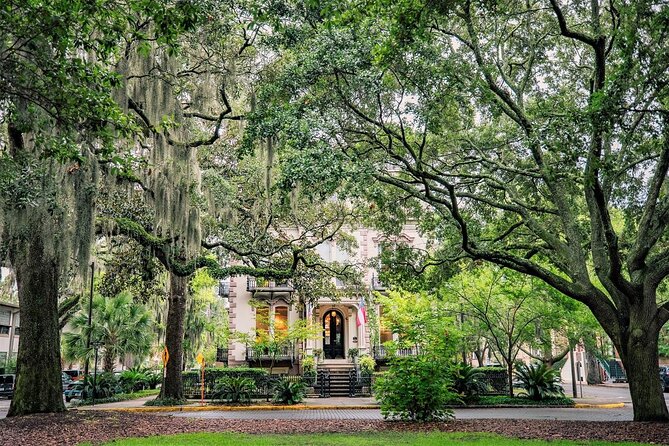
- A planned route across major squares like Chippewa, Madison, and Lafayette
- Stops tied to Savannah’s role in the Civil War and to later American pop-culture references
- End point right by Lafayette Square and St. John the Baptist Cathedral, easy to roll into more exploring
A walking tour that mixes a live guide with letter-based audio
What makes this experience different is the blend. You get a professional local guide in person, and you also hear professionally recorded audio that’s built around historic letters. That matters in Savannah, where the best parts can be scattered across blocks—and where your eyes can easily outrun your understanding.
The headsets do a lot of work for you. You’re not trying to hear over street noise, group chatter, or a guide calling from the curb. Instead, you can focus on what’s in front of you: the squares, the architecture, the monuments, and the little details that turn into full stories once someone explains the context.
Also, the group stays small (up to 20). That’s not just a comfort thing. With a smaller group, it’s easier to ask questions and keep the flow from turning into a lecture you can’t interrupt.
You can also read our reviews of more walking tours in Savannah



Price and what $39 buys you for Savannah time

At $39 per person for about 2 hours, this is priced like a practical “on your feet, learn a lot” activity. No special tickets for the stops are listed as part of the experience, and the tour is built around seeing major parts of the Historic District rather than paying for entry add-ons.
Here’s how I think about value: Savannah has plenty of sights you can find on your own. What you pay for here is the story stitching—turning named squares, specific houses, and monuments into a timeline that runs from 1733 to today. If you’re short on days, this kind of paid orientation usually saves you time later, because you walk out with names, themes, and neighborhoods you’ll want to revisit.
Where you start: Bull Street, then squares, then Lafayette Square
The tour begins at 151 Bull St, Savannah, GA 31401 and ends around 222 E Harris St in the Lafayette Square area, outside The Cathedral of St. John the Baptist.
That end point is handy. You’re not dumped miles away from the places people usually want to keep seeing. You finish in a central area that makes it easy to continue at your own pace—whether you’re hunting for food, planning a second walking loop, or just trying to catch one more view before your legs request retirement.
Stop 1 on the route: Genteel & Bard Savannah and the 1733-to-today story
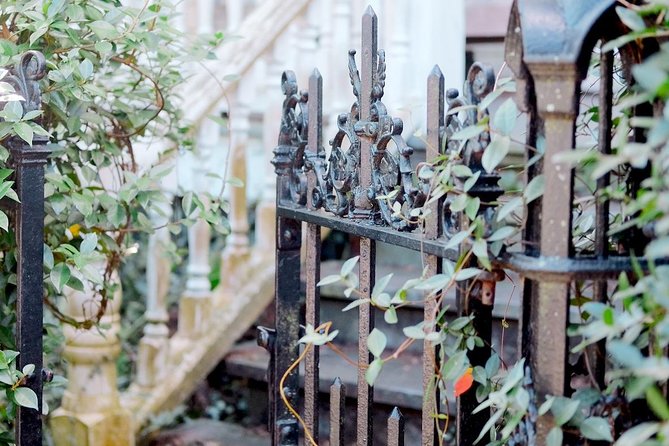
Your first stop is right where the tour begins—Genteel & Bard Savannah—and this is where the tone gets set. The idea is a full immersion in Savannah’s story from 1733 to today, with the guide connecting the city to locals, music, architecture, war times, culture, and movies.
This first segment is important because it changes how you look at everything that follows. Without that framing, Savannah can feel like a series of pretty blocks. With it, you start noticing patterns: how the city was planned, how it evolved, and why certain locations keep coming back in the city’s narrative.
Expect a fair amount of walking and stopping as the guide pulls you forward block by block. If you’re coming in stiff, it’s worth knowing you won’t just glide through. One recurring tip from people who have done it: bring water on warm days and keep your shoes solid.
Chippewa Square: Forrest Gump, Savannah origins, and the founders’ vision
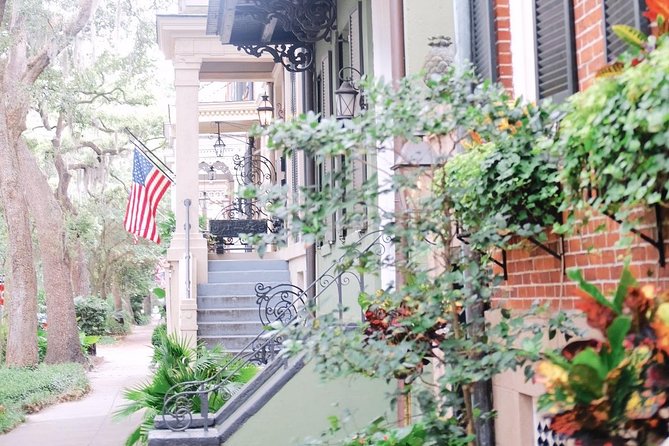
From Stop 1, the tour heads to Chippewa Square, one of Savannah’s most recognizable squares and a natural place to understand the city’s layout and symbolism. This stop connects to Forrest Gump and also to Savannah’s origin story and the people behind it.
You’ll hear about the planned city concept and the purpose behind the squares. You’ll also connect the dots to key historical figures and communities named in the tour: James Oglethorpe, Mary Musgrove, Chief Tomochichi, and the Yamacraw.
Why this stop works: squares in Savannah aren’t just green spaces. They’re built into the city’s plan, and they’re where public life shows up—then and now. Once you understand that, you’ll see more than trees and benches. You’ll see civic design.
The time here is short—about 10 minutes—so don’t count on this being your only chance to ask questions. If you want specifics, try to catch the guide while you’re there.
You can also read our reviews of more historical tours in Savannah






Madison Square: Civil War connections and the Green-Meldrim House area
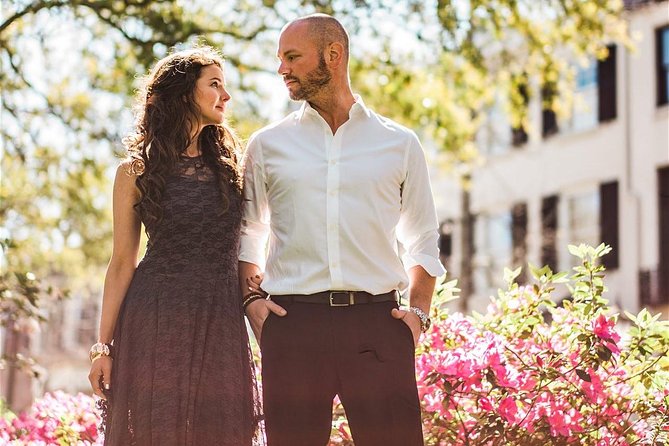
Next up is Madison Square, with a focus on Savannah’s role in the Civil War and on how the city shaped the United States’ future with one of the most important events in world history.
You’ll also get pointed toward Green-Meldrim House. This stop gives you a chance to shift from the founding-era storyline into the conflict-and-afterward storyline. Savannah’s architecture can look calm, but the guide helps you place it in time so you understand why certain places feel like they’re holding more than just history books.
The benefit here is direction. A lot of visitors see a map and think, I’ll just wander. This stop helps you wander with purpose, because you’re learning what to look for and what questions to carry to your next block.
Time is again around 10 minutes, so it’s a “highlight moment,” not a long museum-style visit.
Mercer Williams House Museum: Monterey Square vibes, a monument, and Temple Mickve Israel

Then you’ll spend time at Monterey Square, centered on the Mercer Williams House Museum area. This stop ties together beauty and elegance with a specific set of named sights: Casmir Pulaski’s monument and The Temple Mickve Israel.
Even if you don’t consider yourself a museum person, this stop helps because it’s not random. You’re given a bundle of landmarks that belong to a bigger story about how communities built cultural and civic identity in Savannah.
One practical note: because the tour is still a walk-and-stand pace, you may not have time to stare at every detail like you would on a solo visit. Think of this segment as a guided orientation to the places you can return to later if you want a slower look.
Again, the stop is roughly 10 minutes.
The Historic District stretch: Jones Street and the live oak brick street
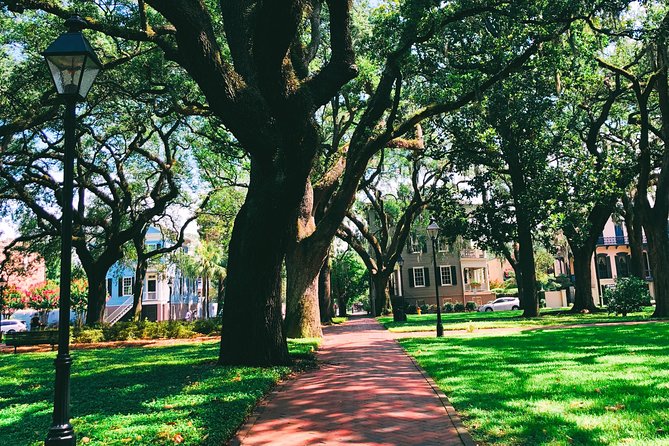
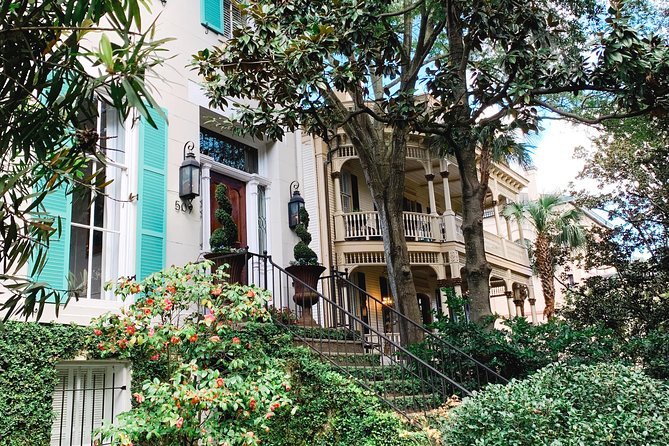
One of the most beloved parts of Savannah is the feel of the Historic District, and this tour gives you a guided path through that vibe. You’ll be pointed to Jones Street, including the stretch people often describe as the live oak brick street.
This is where the tour leans into architectural history and cultural context. The guide helps you connect architecture to story instead of treating buildings like scenery. And because the tour keeps moving, you’ll learn to notice details without getting stuck in one spot for too long.
What you’ll likely like here: this is the “slow down with your eyes” part of the day. After you’ve absorbed origin stories and wartime context, seeing the city’s streets and homes becomes more meaningful. You stop thinking only about what things look like, and start thinking about why they were built and what they represent.
If you’re the kind of traveler who enjoys photography, this segment is also a good reset for your brain. You’re not chasing one monument; you’re seeing a corridor of houses and street character that’s hard to recreate from memory.
Lafayette Square: Girl Scouts, early electricity, Irish heritage, and St. John the Baptist
The final major stop is Lafayette Square, and it’s a packed finale. You’ll hear about Juliette Gordon Low and the Girl Scouts, you’ll learn about the Hamilton Turner Inn, described as the first house with electricity in Savannah, and you’ll connect the area to Irish heritage through the Cathedral of St. John the Baptist.
This is the part that often feels most fun, because it brings the story into more everyday cultural touchpoints. It’s not just founding dates and war outcomes. It’s also about community identity, modern American institutions, and how the past shows up in places you can still visit today.
The tour ends outside The Cathedral of St. John the Baptist, in the Lafayette Square area. That finish line is easy to work with: you can go grab a meal nearby, keep walking the squares, or transition into other parts of the Historic District without needing a rideshare.
What to expect from the walking pace (and how to stay comfortable)
This is a 2-hour walking tour, and you should plan for walking plus frequent stopping. Even with headsets and story pacing, you’ll still be on your feet a lot. People who love it often mention the guide’s storytelling style and how the walking time passes faster than expected, but the physical reality stays the same.
So I’d plan like this:
- Bring water if it’s warm or you’re prone to fatigue.
- Wear supportive shoes. Savannah sidewalks can be uneven in spots.
- If you use hearing aids or you’re picky about ear fit, consider what kind of headset comfort you prefer. The audio setup includes headsets for clarity, and the ear-piece comfort seems to vary by person.
One more timing note: the tour is designed around a set duration, but it may run a little long depending on questions and how the guide times each stop. If you have a tight next reservation, schedule a little breathing room.
How to choose this tour if it fits your style
This tour is a strong pick if:
- It’s your first time in Savannah and you want a guided way to get oriented fast.
- You like learning through storytelling more than through lectures.
- You enjoy walking tours where the guide points you to names you’ll remember later.
- You want a route that focuses on squares, architecture, and major landmarks rather than random stops.
It might not be the best fit if:
- You hate standing still for short bursts while someone tells a detailed story.
- You have limited mobility and need long stretches of seated time (this tour is built for walking and stopping).
- You’re very sensitive to earbud-style listening. The audio delivery is a big part of the experience, so comfort matters.
Should you book Genteel and Bard’s Savannah History Walking Tour?
I’d book it if you want Savannah with context. For $39 and about 2 hours, you get a guided walk across key squares and landmark areas—plus the added layer of professionally recorded, letter-based audio that helps the stories land without you constantly straining to hear.
The biggest deciding factor is your comfort with walking and your preference for headset-style audio. If you’re good with that, this is one of the more efficient ways to understand why Savannah looks the way it does and why so many places keep reappearing in the city’s timeline.
If you’re on the fence, do this: plan to wear good shoes, bring water, and go in ready to ask one or two questions. The tour works best when you treat it like a guided conversation, not a race to the next photo spot.
FAQ
How long is the Genteel and Bard Savannah History Walking Tour?
It lasts about 2 hours.
What does the tour cost?
The price is $39.00 per person.
Where do I meet, and where does the tour end?
You start at 151 Bull St, Savannah, GA 31401 and the tour ends in the Lafayette Square area outside The Cathedral of St. John the Baptist (ending around 222 E Harris St, Savannah, GA 31401).
Is the tour offered in English?
Yes, it’s offered in English.
Do I get audio or a headset?
Yes. You’ll get headsets to hear the guide clearly, and the tour is enhanced with professionally recorded audio based on historic letters.
Are there different departure times?
Yes. You can choose morning or afternoon departures.
How large is the group?
The tour has a maximum of 20 travelers.
Is it okay for kids, and can service animals join?
Children must be accompanied by an adult. Service animals are allowed.
What if the weather is poor or I need to cancel?
This experience requires good weather. If it’s canceled due to poor weather, you’ll be offered a different date or a full refund. You can cancel for free up to 24 hours in advance for a full refund.