REVIEW · SAVANNAH
American Prohibition Museum Admission
Book on Viator →Operated by Historic Tours Of America · Bookable on Viator
Prohibition gets visual and noisy. At the American Prohibition Museum in Savannah, you don’t just read about Temperance and the 1920s. You walk through scenes, props, and period storytelling that make the rise and fall of Prohibition feel surprisingly immediate, with the added bonus of a speakeasy cocktail stop afterward.
I love how the museum pushes past generic “dry” history with 200+ artifacts, including dry propaganda and moonshine-brewing equipment. I also like the costumed docents who keep the pacing moving and turn what could be a lecture into a show you can actually follow.
One thing to factor in: the tour can feel fast, and the bathroom is at the very end of the route, so plan your timing.
In This Review
- Key highlights to know before you go
- American Prohibition Museum in Savannah: what makes it feel different
- Where it sits in your Savannah day (and how long to plan)
- Inside the museum: a tour route built like a timeline
- The recreated 1918 street scene: Anywhere, USA
- Tent Revival chaos with Reverend Billy Sunday
- Carry Nation and the hatchetations moment
- Moonshine in the wilderness: another America
- A speakeasy tucked inside the experience
- What the museum’s 200+ artifacts actually teach you
- Photo and video in the galleries
- Speakeasy cocktails: how to plan for the rules
- Photo ID and a wristband
- Age limit
- Sunday rule in Georgia
- Choosing drinks before you go in
- Timing, pace, and comfort tips (so you don’t waste time)
- Who this museum is best for (and who should skip the speakeasy plans)
- Should you book the American Prohibition Museum admission?
- FAQ
- Where is the American Prohibition Museum located, and is parking nearby?
- How long should I plan for the museum visit?
- What are the museum hours and speakeasy hours?
- Do I need photo ID for the speakeasy?
- Can I bring service animals into the museum?
- Is food or drink allowed in the museum galleries?
- Can I take photos or videos inside?
- Can I cancel and get a full refund?
Key highlights to know before you go
- The only museum of its kind dedicated to Prohibition history, in Savannah
- 200+ historical artifacts, from dry propaganda to moonshine brewing equipment
- Costumed docents who guide the story from start to finish
- High-tech, set-like scenes such as a recreated 1918 street scene and period dioramas
- A speakeasy cocktail finish (own expense), with rules like photo ID and age limits
American Prohibition Museum in Savannah: what makes it feel different
The American Prohibition Museum is one of those places where the topic sounds niche until you’re inside. Then you realize it’s not just about laws banning alcohol. It’s about belief systems, public pressure, marketing, and how Americans argued about morality in real time.
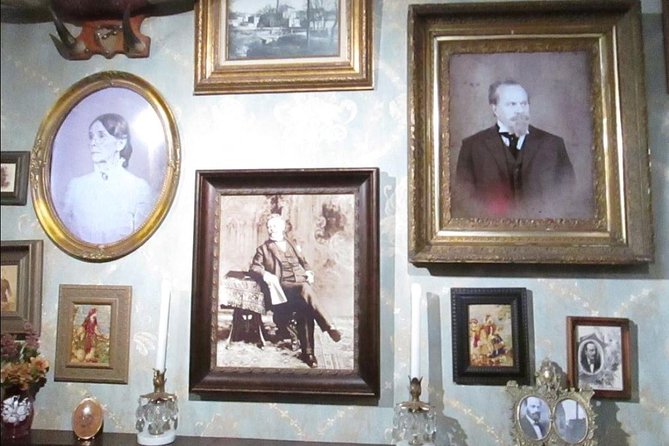
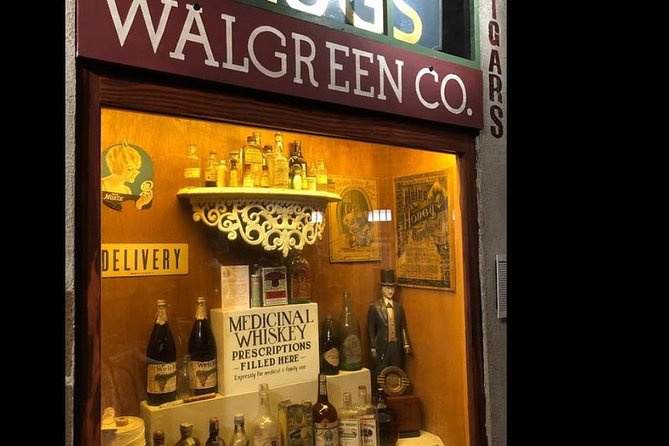
What makes it work is the mix of objects and stage-like storytelling. You’ll see more than 200 artifacts, plus photos, murals, videos, and themed displays. The effect is that you’re not stuck with posters on a wall. You’re walking through a timeline.
You also get a museum experience that feels built for couples and small groups who want something more entertaining than a typical history stop.
You can also read our reviews of more museum experiences in Savannah
Where it sits in your Savannah day (and how long to plan)
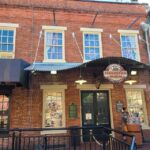
The museum is in Savannah near Ellis Square in the City Market, and parking is typically a few blocks away at the Robinson Parking Garage (fees may apply). That location matters because City Market is easy to reach and it’s simple to pair this with nearby walking.
Time-wise, admission is listed at about 1 to 2 hours, and last entry depends on the season. Still, I strongly suggest you give yourself breathing room. The museum uses lots of interactive and visually busy areas, and if you want to slow down for details (especially the artifacts and propaganda pieces), you’ll appreciate extra time.
If you’re pairing it with other City Market stops, aim for an earlier slot so you’re not racing toward the speakeasy hours later.
Inside the museum: a tour route built like a timeline
The museum experience starts with the idea that Prohibition didn’t appear out of nowhere. It connects to Temperance and the way culture debated alcohol for generations. The museum’s story covers more than 200 years of American history, so expect the exhibits to move from mindset to action to consequences.
Here’s what you can look for as you go through the main scenes:
The recreated 1918 street scene: Anywhere, USA
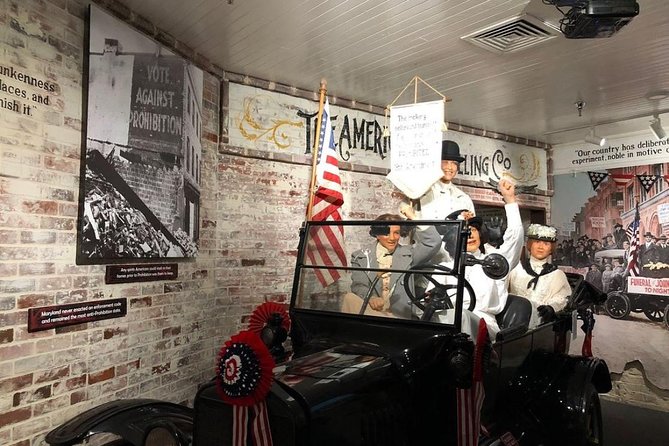
One of the first big set pieces is a recreated 1918 Street Scene, designed to feel like anywhere in America. It’s a smart opening because it grounds the viewer before the exhibits get more dramatic.
You’ll feel how the museum wants you to think, not just read. It’s about public life. It’s about what people wore, how they sold ideas, and how communities were organized around opinions.
A practical tip: if you hate crowds, go with the flow but don’t get stuck at one exhibit too long. This is a popular stop, and some interactive areas can get tight.
Tent Revival chaos with Reverend Billy Sunday
Next comes one of the most theatrical displays: Tent Revival with Reverend Billy Sunday. This part leans into fire-and-brimstone persuasion. It makes sense why it’s included. Prohibition was sold as a moral crusade, and that kind of messaging doesn’t happen quietly.
The scene works because it shows the sales pitch behind the movement. You’ll see how sermons, pressure, and public spectacle fed into politics and culture.

Carry Nation and the hatchetations moment
Then you get to Carry Nation’s hatchetations—the museum spotlights Lillian M.N. Stephens and Adolphus Busch debating sides of the argument, too. The Carry Nation segment is one of those “how is this real” moments because it’s loud, dramatic, and specific.
This is where the museum gets fun without losing credibility. You’re seeing how activists used attention and symbolism to push change.
Moonshine in the wilderness: another America
After the public crusades, the museum shifts gears to a dimly lit Moonshine Scene in the wilderness. It’s the other half of the Prohibition story: resistance, survival, and the underground economy.
Even if you’re not a history buff, the contrast helps. You go from persuasion in public spaces to secrecy in the woods. That emotional swing is part of why the museum feels memorable.
A speakeasy tucked inside the experience
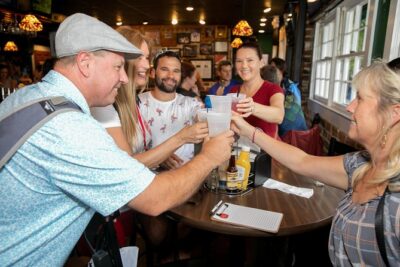
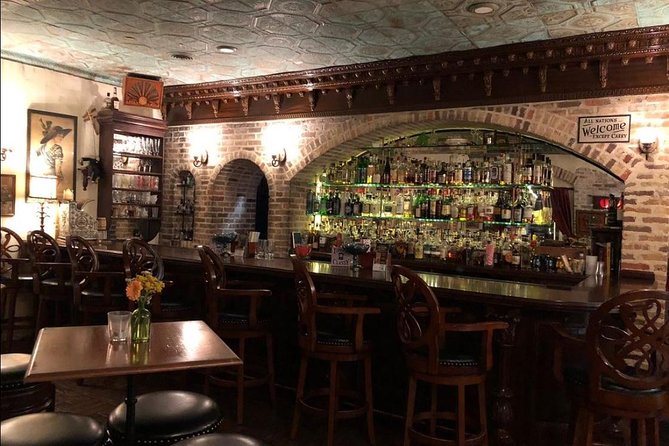
The museum also includes a hidden speakeasy bar that kicks things up. It’s not just a photo-op wall. It’s built for a real break after the history.
This is where the story turns from what happened to what people drank and how they celebrated in the shadows.
What the museum’s 200+ artifacts actually teach you
The big headline is that you get access to 200+ historical artifacts, but the better takeaway is what those objects represent. This place uses items to show attitudes.
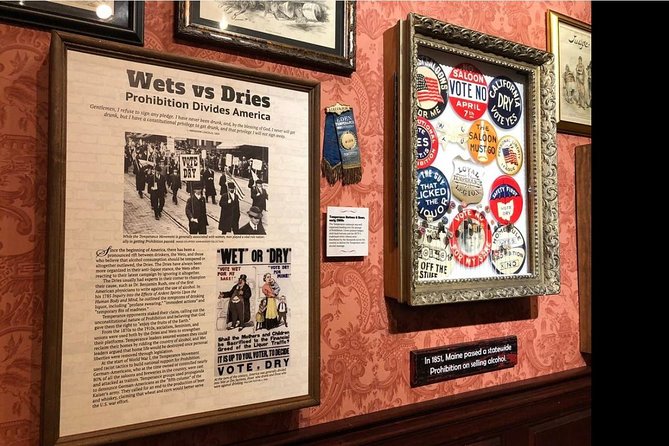
For example, dry propaganda isn’t just dated material. It shows fear, persuasion tactics, and how moral arguments were packaged. The moonshine equipment points the other direction: people weren’t simply following rules. They were adapting.
One more thing I like: the museum uses a mix of static displays and moving media like videos. So even if you’re not the type to read every caption, you’re still getting meaning from the visuals.
Photo and video in the galleries
Yes, you can take photos inside. Cell phone and video use are allowed for personal use. If you post online, tag your shots with #americanprohibition or @americanprohibition.
That detail matters because the museum’s scenes are very “shareable,” but it’s still a personal-use setting, so keep it respectful.
Speakeasy cocktails: how to plan for the rules
The speakeasy is a separate experience tacked onto your visit, and it’s own expense. But it’s not an afterthought. It’s part of the museum’s payoff.
Photo ID and a wristband
To get speakeasy access, you’ll need a photo ID at the door to receive a wristband. That’s not a small detail. If you forget your ID, you could lose your shot at the cocktail service.
Age limit
Guests under 21 are not permitted in the Speakeasy. So if you’re traveling with teens, plan the museum part carefully and decide how you’re handling the bar portion.
Sunday rule in Georgia
There’s an important rule: there is no speakeasy service on Sundays by Georgia State law. You can still get mocktails on Sundays, but not alcohol.
If you want the real cocktail experience, pick a day from the speakeasy schedule. The speakeasy is open:
- Wednesdays: 5:30 pm – 10 pm
- Thursdays: 5:30 pm – 11 pm
- Friday & Saturdays: 5:30 pm – 1:00 am
Also note the museum’s daytime hours vary by season, so you’ll want your timing to line up.
Choosing drinks before you go in
A useful practical note from people who’ve done it: you may be able to choose your drinks before the tour, then have them brought to you in the speakeasy.
If that option is available when you arrive, it’s worth doing. It saves time later when you’re ready for a break.
Timing, pace, and comfort tips (so you don’t waste time)
This museum does a lot in a short window. That’s great when you like structure. It can be a downside if you prefer wandering slowly and reading everything at your own speed.
Here are the issues worth planning around:
- The tour can feel rushed. If the pace feels quick, focus on the big set pieces first, then circle back if you still have time.
- The bathroom is at the end. Go before you start your push through the exhibits, especially if you’re eyeing a later speakeasy slot.
- Interactive areas can get crowded. On busy days, you may find it harder to take in every audio or activity if people are standing in your view.
One accessibility note: one person reported an elevator issue that affected their disabled friend’s ability to enjoy the tour. If you rely on elevator access, consider checking day-of.
On a positive note, the staff energy is repeatedly praised. Names that come up include Tommy, Casey, Marcie, and performers like Elijah and Eric in the crowd-boosting moments people love. The point for you: if you’re choosing between formats, go guided if you can. It tends to turn the museum into a storyline instead of a self-paced scroll.
Who this museum is best for (and who should skip the speakeasy plans)
This is a strong fit for:
- Couples who want a date activity with jokes, props, and a clear path through history
- History fans who like social history, politics, and propaganda as much as dates and facts
- People who want something different than another “old building” stop in Savannah
It’s also ideal if you’re the type to enjoy a museum where you can get both “what happened” and “how they sold it” without needing extra research afterward.
You might want to adjust expectations if:
- You hate crowds and need lots of breathing room for reading
- You strongly dislike tours with any sense of schedule or timed flow
- You’re visiting on a Sunday and want alcohol (mocktails only)
Should you book the American Prohibition Museum admission?
If you want a memorable, high-energy history stop in Savannah, I’d book it. The value comes from the combination of 200+ artifacts, multiple themed set pieces (like the 1918 Street Scene and Tent Revival), and the payoff of a speakeasy finish on nights when it’s operating.
My main advice: book it when you can linger. Give yourself extra time, go in with a plan for the bathroom timing, and line up your day so you’re not stuck with Sunday mocktails if cocktails are the goal. If you do that, you’ll leave with a real sense of how Prohibition shaped American culture, and why it still sounds like a story worth telling.
FAQ
Where is the American Prohibition Museum located, and is parking nearby?
The American Prohibition Museum is next to Ellis Square in the City Market area. It’s also blocks away from Robinson Parking Garage, and parking fees may apply.
How long should I plan for the museum visit?
The experience is listed as lasting about 1 to 2 hours.
What are the museum hours and speakeasy hours?
The museum is open every day with seasonal hours: August through March from 10:00 am to 5:00 pm (last entry 4:15 pm), and April through July from 10:00 am to 6:00 pm (last entry 5:15 pm). The speakeasy runs on Wednesdays 5:30 pm to 10:00 pm, Thursdays 5:30 pm to 11:00 pm, and Friday and Saturday 5:30 pm to 1:00 am.
Do I need photo ID for the speakeasy?
Yes. Photo ID is required at the door to receive a wristband for admittance to the Speakeasy.
Can I bring service animals into the museum?
Service animals are allowed. Emotional support animals and pets are not allowed.
Is food or drink allowed in the museum galleries?
Food and drink are not permitted in the museum galleries prior to the Speakeasy.
Can I take photos or videos inside?
Yes. Cell phone and video use are permitted in the museum for personal use only. If you post online, tag your content with #americanprohibition or @americanprohibition.
Can I cancel and get a full refund?
Yes. Free cancellation is available up to 24 hours in advance for a full refund. If you cancel less than 24 hours before the experience start time, the amount you paid will not be refunded.