REVIEW · SAVANNAH
True Crime of Savannah Tour
Book on Viator →Operated by Afterlife Tours · Bookable on Viator
Savannah at night feels different, and this tour leans into that mood. You’ll follow a true-crime path across major squares and landmarks, with a licensed guide tying each stop to a specific case—executions, unsolved murders, and a 1909 axe crime. The best part is the pace: about six short stops over roughly 1 hour 30 minutes, so you get the stories without getting stuck in one place too long.
I especially like the way the route uses recognizable Savannah locations (Wright Square, Chippewa Square, a cemetery, and a specific address) to make the crime details feel grounded. Another big plus is value: at $33 per person, you’re paying for a guide-led narrative, and the stops listed don’t include paid admission time. One possible drawback: the tour can involve walking to each location and then getting the explanation there, so if you want nonstop narration while walking, you may find the flow a bit stop-and-go.
In This Review
- Key Highlights You Should Know
- A 9:00 pm True-Crime Walk Through Savannah Squares
- Price and Value: What $33 Gets You
- The Route Logic: From Telfair Square to Conrad Aiken’s Birthplace
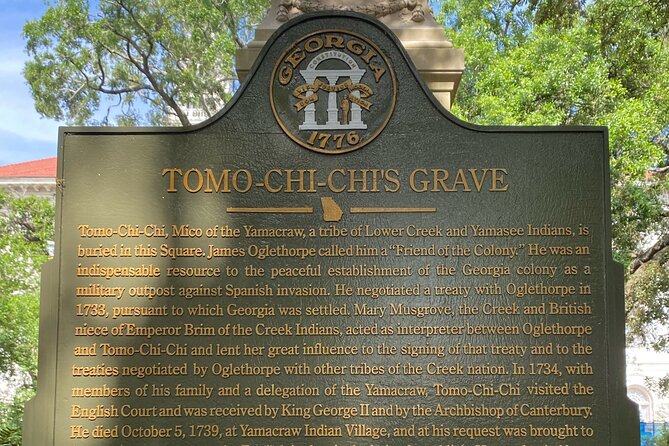
- Stop 1: Wright Square’s Execution Story (Including Georgia’s First Female Executed)
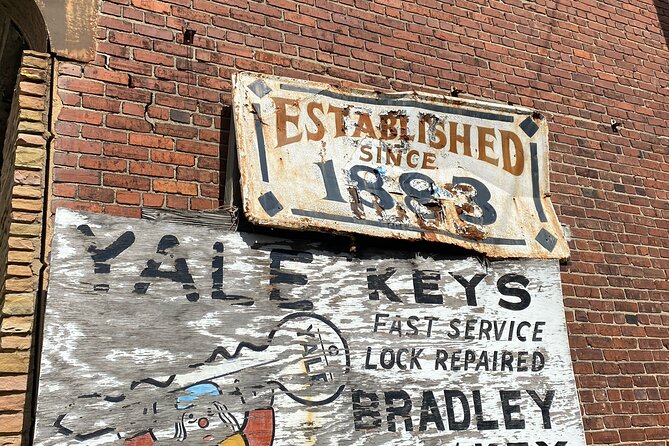
- Stop 2: Bradley Lock and Key Shop and Gary Ray Bowles, the I-95 Killer
- Stop 3: Foley House Inn and an Unsolved Murder
- Stop 4: Chippewa Square and the 1909 Gribble House Axe Murders
- Stop 5: Colonial Park Cemetery and a Crime Story in the Early 1900s
- Stop 6: 228 E Oglethorpe Ave and the Conrad Aiken Family Tragedy
- How the Guide Shapes the Experience (And What to Expect From the Storytelling)
- Practical Tips for a Night Tour You’ll Actually Enjoy
- Who Should Book This True Crime of Savannah Tour?
- Should You Book This Tour?
- FAQ
- What is the duration of the True Crime of Savannah Tour?
- How much does the tour cost?
- What time does the tour start?
- Where does the tour start and end?
- Is a mobile ticket provided?
- What language is the tour offered in?
- Are admission tickets required at the stops?
- Is parking included in the tour price?
- How large are the groups?
- Is free cancellation available?
Key Highlights You Should Know
- Six crime-related stops in about 90 minutes, built for an evening stroll.
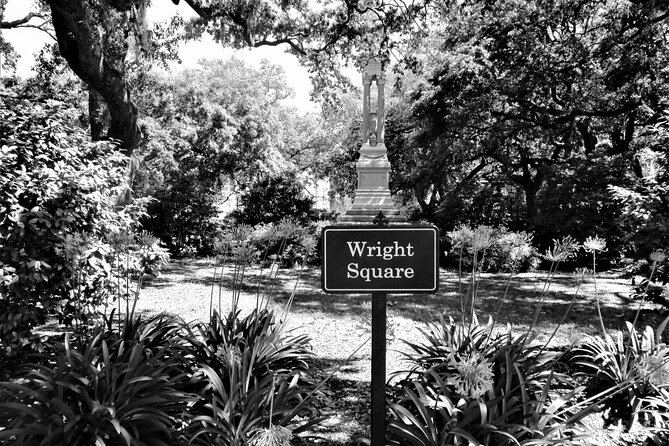
- Wright Square and execution history, including the first female executed in Georgia.
- Two famous violence cases tied to specific places, including a serial killer called the I-95 Killer.
- One unsolved murder at the Foley House Inn, plus a major 1909 axe murder linked to Chippewa Square.
- A cemetery stop with a crime story attached, then a final address connected to Conrad Aiken.
- Small group limit (max 30) plus a licensed guide—helpful if you like Q&A or a clear thread.
A 9:00 pm True-Crime Walk Through Savannah Squares
This is a night tour, starting at 9:00 pm, and it uses Savannah’s landmark layout to keep things easy to follow. You start at Telfair Square, 121 Barnard St and finish at 228 E Oglethorpe Ave, Conrad Aiken’s birthplace. With a tour length of about 1 hour 30 minutes, you’re not committing to a full evening shift—just enough time to learn the story threads and still have energy for a post-tour wander.
It’s offered in English with a mobile ticket, and the group size max is 30 travelers. That matters because you get a more “guided walk” feel than a chaotic crowd scene.
If you’re coming from downtown, plan to arrive a little early. Parking isn’t included, and downtown can take time—especially at night when you’re also trying not to rush. The good news: it’s listed as near public transportation, which makes it easier if you’d rather not fight for a spot.
You can also read our reviews of more tours and experiences in Savannah.



Price and Value: What $33 Gets You
At $33 per person for about 90 minutes, I think this is strong value for a licensed guide plus a case-focused route. You’re not just getting “true crime vibes.” Each stop is tied to a specific location and a specific type of case, from executions to serial crime to crimes that remain unsolved.
Also worth noting: the stops are listed with free admission, meaning you’re not hit with extra entry fees at each location. So your cost stays predictable.
The tour has a 4.8 rating across 16 reviews, and 94% of people recommend it. That’s not a guarantee, but it is a good signal that the format works for most visitors—especially people who want a structured walk rather than a random history loop.
The Route Logic: From Telfair Square to Conrad Aiken’s Birthplace
The itinerary is built like a story map. You begin in Telfair Square area and then move through a chain of Savannah squares and historic sites. You end at an address, 228 E Oglethorpe Ave, which anchors the final stop to a very specific family tragedy connected to Conrad Aiken.
Why this design is useful: it prevents the classic problem with some “dark history” tours—where you hear scattered facts but can’t picture how they connect. Here, you can look at the city’s layout and see how each landmark fits into the bigger narrative thread.
At the same time, keep one expectation in check. Since each stop is short (about 10 minutes each), the guide has to cover a lot quickly. If you want ultra-deep details, you may still want to do follow-up reading afterward. But for learning the cases without burning hours, this format fits well.
Stop 1: Wright Square’s Execution Story (Including Georgia’s First Female Executed)
The tour starts with Wright Square, where the focus is on its role as an execution site. This stop also includes the story of the first female executed in the state of Georgia.
This is the kind of location-based history that makes true crime feel more real than you’d expect. You’re not just hearing about a case; you’re standing in the public space where punishment was carried out. Savannah’s squares have that “center of town life” feel, and the contrast—civic calm versus criminal punishment—creates a strong mental picture fast.
Practical note: since the stop is around 10 minutes, go into it ready to absorb a lot quickly. If you tend to lose focus when details pile up, take a moment to ground yourself: look around the square first, then let the story hit.
Stop 2: Bradley Lock and Key Shop and Gary Ray Bowles, the I-95 Killer
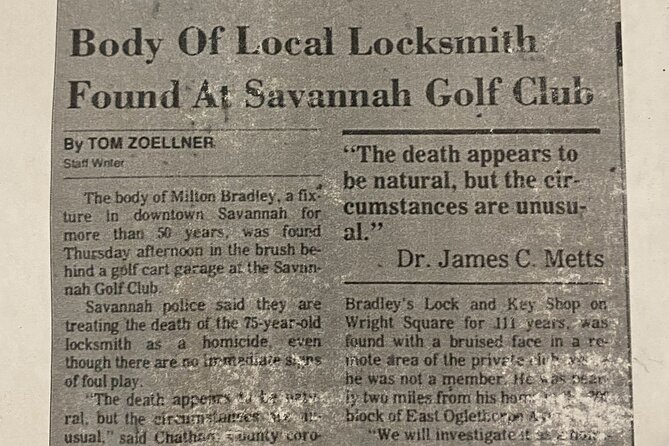
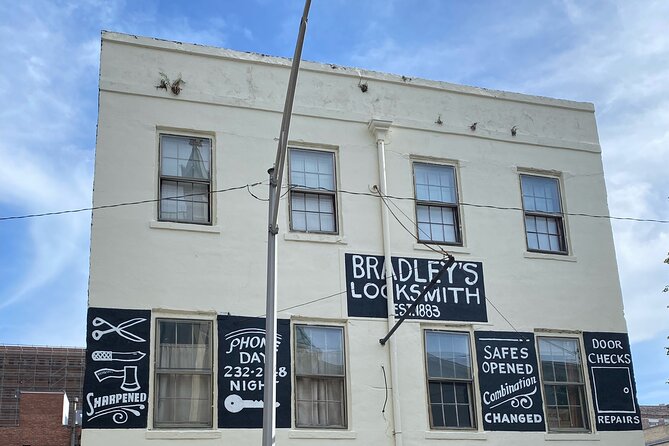
Next is the Bradley Lock and Key Shop, where the narrative connects to Gary Ray Bowles, later dubbed the I-95 Killer.
This is a pivot point in the tour. Earlier, you’re dealing with older Savannah punishment history. Here, you’re dealing with a modern-era serial killer angle—still grim, but framed with a different kind of case structure than executions or 1800s-era crimes.
Why I like this stop: it prevents the tour from feeling like a single historical era. You get a clearer sense of how crime stories attach themselves to places, even when the city changes over time.
Also, don’t expect this to be a “forensics lesson.” The stop is short, so the guide’s job is to connect who/what/where enough that you walk away with a handle on the story.



Stop 3: Foley House Inn and an Unsolved Murder
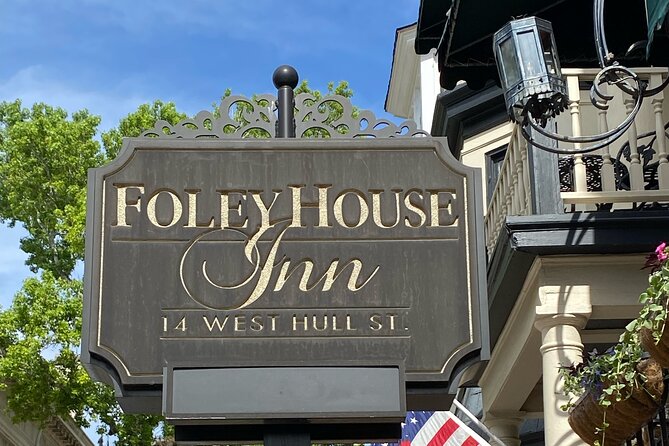
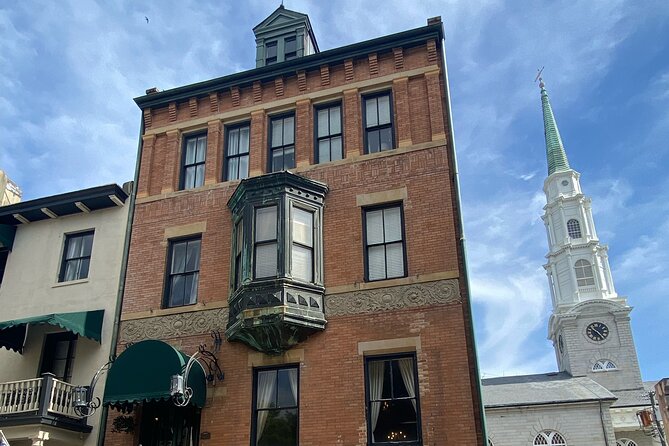
At the Foley House Inn, the tour discusses an unsolved murder tied to the old inn.
Unsolved cases add a different flavor to a true crime walk. Instead of a clean ending, you get questions—why it didn’t resolve, what details shaped the suspicion, and what still hangs in the air. In a short tour format, that’s often the most compelling part, because it leaves you thinking after you move on.
If you’re the type who hates ambiguity, this might feel like a pause. But if you enjoy true crime as a mix of facts and unresolved gaps, this is one of the stops that keeps the tour from being too predictable.
Stop 4: Chippewa Square and the 1909 Gribble House Axe Murders
Then you hit Chippewa Square, with the story of the Gribble House axe murders—a triple axe homicide in Savannah in 1909.
This stop is heavy, and the tour likely treats it with the seriousness it deserves. The key thing here is that the story is attached to a named event and a specific timeframe. That gives your brain an anchor: you know what case you’re hearing about and what year it happened, even if the finer details move fast.
One thing to watch for, based on how the tour is described: the flow can be “walk first, explain at the stop.” When you arrive at Chippewa Square, you may briefly stand there while you catch up on what you’re about to hear. If you prefer constant commentary while moving, just keep that preference in mind.
Stop 5: Colonial Park Cemetery and a Crime Story in the Early 1900s
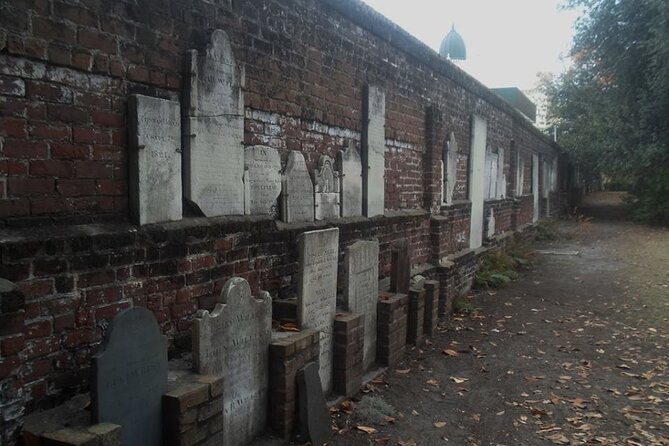
The fifth stop is Colonial Park Cemetery, where you’ll hear about the cemetery’s history and also a murder that occurred there in the early 1900s.
Cemetery stops can be hit-or-miss on tours. Here, the structure is useful: you get context first, then the crime story. That prevents it from turning into just a grim checklist. You’re also in a setting that naturally slows your attention, which helps with absorbing the details—at least for most people.
Wear shoes you’re comfortable walking in. Even if the stop is only about 10 minutes, you’ll be standing and looking around long enough to feel the ground under you.
Stop 6: 228 E Oglethorpe Ave and the Conrad Aiken Family Tragedy
The final stop is at 228 E Oglethorpe Ave, where the tour covers the murder/suicide of Conrad Aiken’s parents.
This ending works because it’s specific. You’re not leaving with one vague “dark history” summary. You’re ending with a known person, a known birthplace address, and a family tragedy that ties literature history to real-world crime.
If you like your stories to have a human anchor, this is a strong finish. It also gives you an easier mental wrap-up: you can remember the address even after you’ve walked away.
How the Guide Shapes the Experience (And What to Expect From the Storytelling)
This tour includes a licensed guide who’s well versed in the true history of Savannah. The tone is meant to be story-driven, and the guide’s job is to connect each landmark to its case clearly.
In particular, I’ve seen a couple of guide traits highlighted for this tour:
- Some guides do a clear job separating what’s documented from what’s often repeated as folklore.
- Others add extra local context beyond the main stops, which can be great if you like personalization.
One guide name that’s been singled out is Darriea, praised for personalizing the experience and pointing out extra things that weren’t in the core route. So if your guide goes off script a bit, it’s usually in service of helping you see more of Savannah, not just adding noise.
Possible drawback: the pacing may feel like brief pauses and short silence moments between points. One common note is that the guide may sometimes pause as if momentarily resetting. That doesn’t mean the information isn’t good—it just means you should be okay with a walk-and-stop rhythm rather than constant narration.
Practical Tips for a Night Tour You’ll Actually Enjoy
A few small choices can make this kind of night walking tour feel smooth.
1) Don’t underestimate downtown parking. Parking fees aren’t included, so arrive early enough to find a spot without stress. If you arrive right at the start time, you’ll probably end up circling.
2) Dress for standing, not just walking. This is a night event with short stops. You’ll likely be outdoors longer than you expect once you factor in waiting between explanations.
3) Manage your expectations about duration. With about 10 minutes per stop, you’ll learn the core story beats, not every minute detail. That’s a feature, not a flaw—just don’t expect a full case file.
4) If you dislike bar-style stops, plan your boundaries. The route includes a stop at a restaurant/bar area for a portion of the experience. If that setting isn’t your thing, it’s totally reasonable to stay outside and let the guide handle the narrative around you.
5) Bring your curiosity. This tour is best if you like hearing how specific places got connected to crime and how myths and facts can get tangled over time.
Who Should Book This True Crime of Savannah Tour?
Book it if you want:
- A structured true crime walk with real locations and a clear timeline feel.
- An evening plan that’s long enough to satisfy your curiosity but short enough to keep your night open.
- A guide-led format where the story is explained in plain terms at each stop.
It may be less ideal if you:
- Want nonstop narration while moving and dislike stop-and-explain pacing.
- Don’t like the atmosphere of restaurant/bar areas during a tour segment.
- Are looking for a lecture-level, ultra-detailed case study without gaps.
Should You Book This Tour?
I’d recommend booking this if you like true crime that’s tied to place—especially Savannah’s squares and historic settings. For $33, you get a licensed guide, a compact route of six stops, and stories that range from execution history to serial crime and unsolved cases. The strong rating and high recommendation rate also suggest most people leave satisfied.
If you’re new to Savannah, this tour is a solid way to learn the city’s geography while you learn its darker chapters. If you already know the layout, it still works because it attaches names and cases to familiar spaces.
If you’re on the fence, here’s my simple decision rule: if you’re okay with a brisk, guided walk where you learn something at each stop, this is a great fit.
FAQ
What is the duration of the True Crime of Savannah Tour?
It lasts about 1 hour 30 minutes.
How much does the tour cost?
The price is $33.00 per person.
What time does the tour start?
The start time is 9:00 pm.
Where does the tour start and end?
It starts at Telfair Square, 121 Barnard St, Savannah, GA 31401 and ends at 228 E Oglethorpe Ave, Savannah, GA 31401.
Is a mobile ticket provided?
Yes, the tour includes a mobile ticket.
What language is the tour offered in?
The tour is offered in English.
Are admission tickets required at the stops?
The stops are listed with admission ticket free.
Is parking included in the tour price?
No. Parking fees are not included, and you should arrive early to find parking downtown.
How large are the groups?
The tour has a maximum of 30 travelers.
Is free cancellation available?
Yes. You can cancel up to 24 hours in advance for a full refund.