REVIEW · SAVANNAH
Savannah: ‘We Shall Overcome’ Black History Walking Tour
Book on GetYourGuide →Operated by Junket · Bookable on GetYourGuide
A single walk can change how you see Savannah. This one strings together Black history and everyday culture through food, music, and major historic turning points around the squares. It’s led by smart, story-first guides, and the best part is how quickly the city’s details start making sense.
Two things I really liked: the way the guide turns architecture and street-level stops into real people’s stories, and the strong culture thread—how African culture shaped southern food, music, and dance. You also get practical photo moments at famous spots like Ellis Square, not just dates in a lecture.
One heads-up: it’s still a 2-hour walking tour in rain or shine, and it’s not recommended if you can’t comfortably walk a bit more than a mile. If your legs are fragile, plan accordingly.
In This Review
- Key points at a glance
- Where the tour starts: Yamacraw Square’s good first impression
- Two hours, many themes: how the tour keeps it human
- African culture on the street: food, music, and dance as evidence
- Haitian soldiers in the American Revolution: a story that reorders your assumptions
- Ellis Square photo stop: not just a view, but a lesson
- The Underground Railroad connection: why a church matters
- Sherman’s 40 acres and a mule: promises, math, and heartbreak
- Who’s the best match for this walk (and who should skip)
- Price and value: is $38 for two hours a good deal?
- Practical tips so you enjoy it fully
- What makes the guide matter so much here
- Should you book this Black History Walking Tour in Savannah?
- FAQ
- Where does the tour meet?
- How long is the walking tour?
- How much does the tour cost?
- What is included in the price?
- What should I bring?
- Does it run in bad weather?
- Is video recording allowed?
- Is the tour suitable for people who can’t walk very far?
Key points at a glance
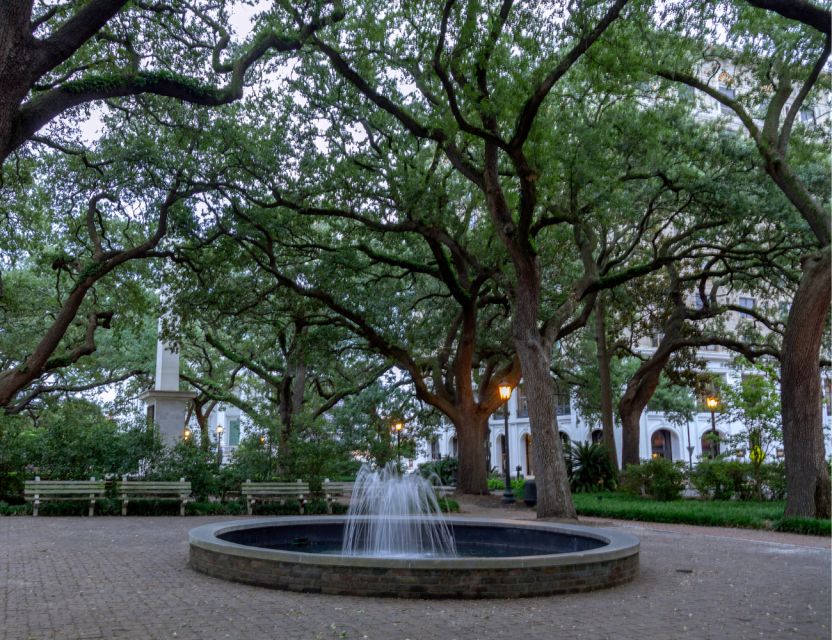
- Yamacraw Square start: Tours meet at 128 W Bay St, next to the three bronze children statues
- Culture meets history: African influence shows up in food, music, and dance—not just monuments
- Revolutionary War link: You’ll learn about Haitian soldiers who fought in the American Revolution
- Underground Railroad stop: One of Savannah’s oldest churches connects to secret escape routes
- Sherman’s promise explained: The 40 acres and a mule idea gets real context
- Photo-friendly pacing: Ellis Square is a standout stop for snapshots
Where the tour starts: Yamacraw Square’s good first impression
You’ll begin at Yamacraw Square, 128 W Bay St, right next to the three bronze children statues. That location matters because it puts you in the flow of historic Savannah right away, instead of starting with a museum-style lesson and then walking later.
From the first minutes, the guide’s job is to help you look closely. You’re not just passing buildings. You’re learning what they meant to free and enslaved Black residents and how the city’s geography and landmarks shaped daily life. If you’ve ever felt like Savannah is “pretty but hard to read,” this tour gives you the reading key fast.
The meeting point is also easy to find on foot, and the tour format is simple: you walk, you stop, you listen. At two hours, you get the high-impact version of a deeper story—tight enough to finish, detailed enough to stick.
You can also read our reviews of more walking tours in Savannah



Two hours, many themes: how the tour keeps it human
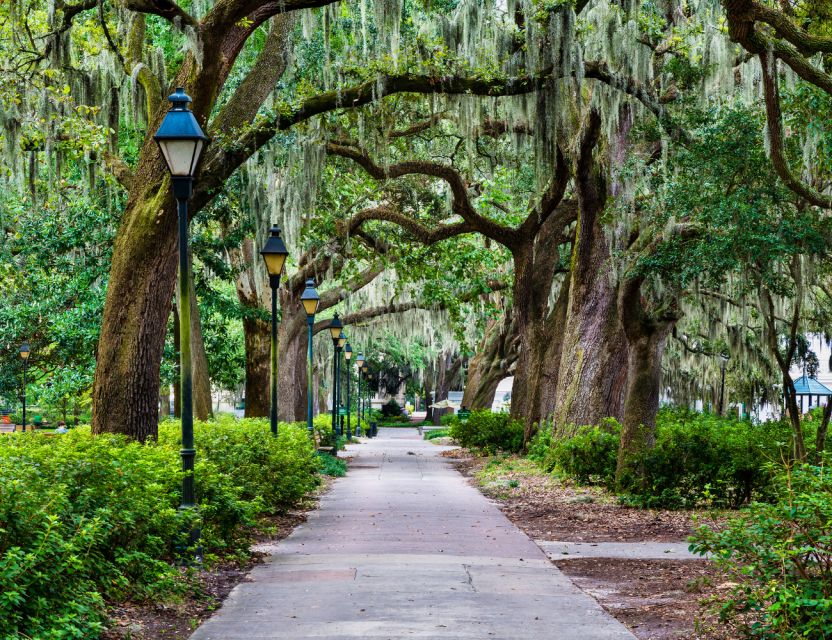
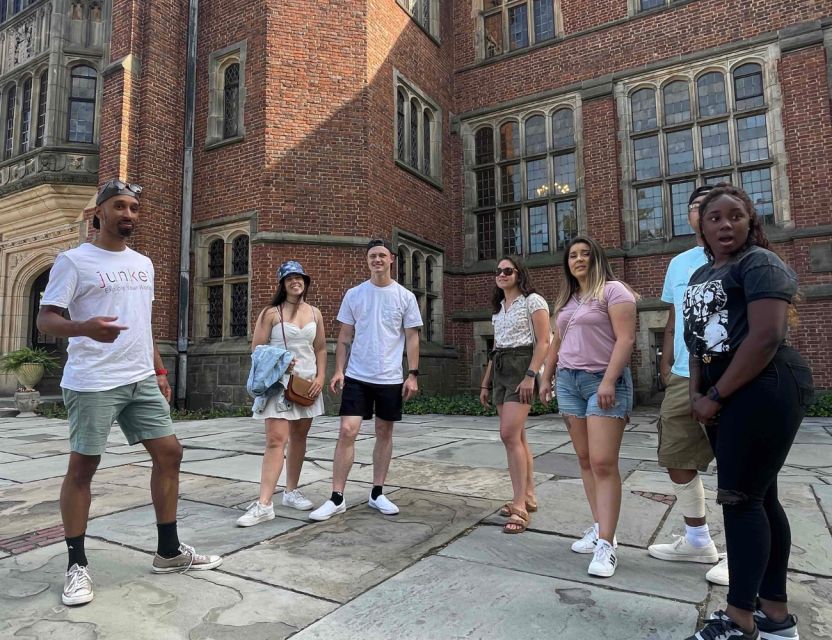
Savannah can feel like a postcard. This walk makes it personal. You’ll move through the city while the guide connects several big themes that people often treat separately: African influence, slavery and its legal contradictions, revolutionary-era participation, Underground Railroad escape networks, and the crushing gap between promises and reality.
The tour is built around storytelling, and that approach is the difference between a tour that rattles facts and a tour that changes how you remember the city. The guides on this one are known for being funny in the moment but confident about the subject—so the tone stays readable, even when the material gets heavy.
One thing I appreciate as a visitor: the guide doesn’t just say what happened. You get help understanding why it mattered. That’s especially important when you’re walking through places that still look calm today. The city is still there. The story is what makes it real.
African culture on the street: food, music, and dance as evidence
A highlight here is the way the guide shows African culture’s influence on southern life. This isn’t vague. You’ll learn how African roots shaped southern food, music, and dance, and you’ll see that influence as a living legacy rather than a footnote.
That matters because it resists the common mistake of treating history as only oppression and paperwork. Yes, the tour covers slavery and the restrictions placed on Black people. But it also makes space for creativity, skill, and cultural survival—because those weren’t separate from freedom. They were how people held onto identity when everything else was taken.
If you’re the kind of traveler who likes to understand what you’re eating and hearing while you’re on the road, you’ll love this part. It also helps you notice patterns outside the tour—church music, rhythm in street life, and the way Savannah’s social history echoes in present-day culture.
Haitian soldiers in the American Revolution: a story that reorders your assumptions
Most people learn the American Revolution like it’s a closed cast of characters. This tour cracks that open. You’ll hear about Haitian soldiers who fought in the American Revolution, and the guide ties them into the larger story of who was involved, who got credit, and who was ignored.
For me, this is one of the most valuable sections because it changes the mental map. Once you learn that the Revolution had more international and Black participation than most standard histories stress, you start noticing the gaps everywhere—names left out, credit assigned unevenly, and accomplishments treated as surprising rather than foundational.
The tour keeps the focus on what you need to remember. You’re not just learning trivia. You’re learning how history gets edited—and why that editing affects what people think is possible.
Ellis Square photo stop: not just a view, but a lesson
Ellis Square shows up as one of the places where you can snap gorgeous photos. That’s a fun perk, but it’s also a signal: Savannah’s squares aren’t random. They’re part of the city’s planning, its movement of people, and its social order.
When you stop for photos, your guide also uses the setting to explain context—how Black residents lived alongside the city’s power centers, and how those spaces connected to the bigger story of freedom and exclusion.
The practical takeaway: if you love photography, this is a good tour for you because you won’t have to guess when you’ll get a clean frame. It’s also a good reminder to slow down. Savannah’s beauty hides structure. You’ll start seeing both.
You can also read our reviews of more historical tours in Savannah






The Underground Railroad connection: why a church matters
One of Savannah’s older churches is described as a secret stop on the Underground Railroad. That’s the kind of detail that makes you rethink a building you might otherwise walk right past.
In this section, I’d treat the church stop as a moment for careful attention rather than a quick photo sprint. The point isn’t only that escapes happened. It’s that the community’s support systems were real, organized, and risky. A secret stop had consequences for the people who helped.
Even if you don’t catch every nuance on the first pass, you’ll come away with the big idea: networks of help weren’t abstract. They were people making moral choices in a place that demanded silence and compliance.
If you’re a history fan, this is also the part where the guide’s credibility matters most. The tour is described as well-researched and credible, and that shows when you hear the story explained clearly without turning it into sensational drama.
Sherman’s 40 acres and a mule: promises, math, and heartbreak
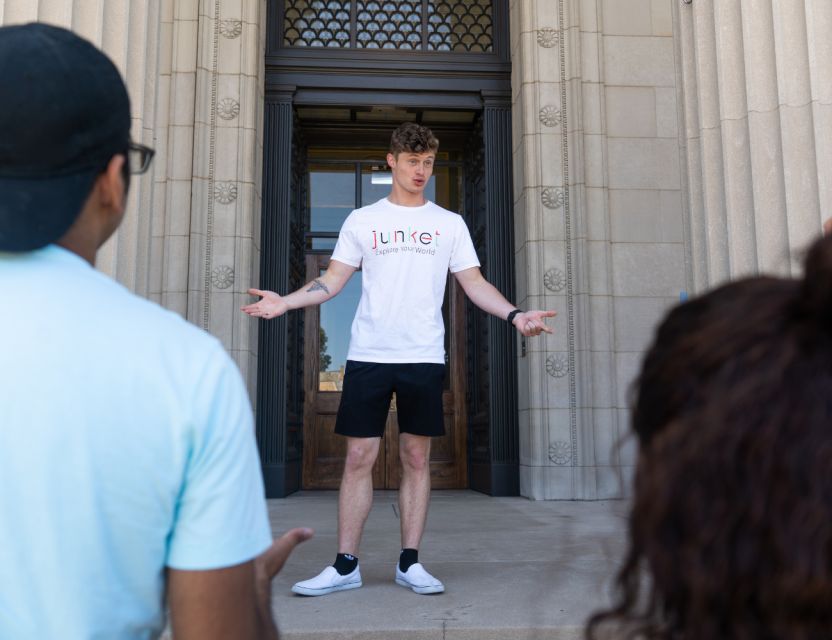
No Black history walking tour in the South is complete without addressing the broken promise period. Here, you’ll unravel the idea of 40 acres and a mule that Sherman made to freed slaves, and the guide connects the hope to what actually happened afterward.
This is one of those sections where you’ll likely feel the emotional weight shift in the group. The facts aren’t presented as doom-and-gloom, but as history with consequences: legal limits, political decisions, and delays that didn’t just take time—they took freedom.
For me, the value is how the guide explains it in plain terms. It’s not a highbrow discussion. It’s the real story of why promises made in war don’t automatically become safety in peacetime. If you’re visiting Savannah for the first time, this part often becomes the turning point where the city stops feeling like scenery and starts feeling like evidence.
Who’s the best match for this walk (and who should skip)
This tour works best if you like learning while walking and you don’t need huge museum breaks to stay engaged. It’s designed for people who can listen for long stretches, since it’s 2 hours and you’ll cover multiple topics.
It’s also a smart fit if you care about culture as history—how African traditions shaped what people ate, danced, and sang, and how that legacy persists.
A drawback to plan around: it’s not recommended if you can’t walk more than a mile, and it’s not suitable for people with mobility impairments. The experience is rain or shine, so comfortable shoes are not optional.
If you’re bringing kids, you might be able to manage it, but keep your expectations realistic: it’s history-heavy, and it’s paced as a walking tour with story stops.
Price and value: is $38 for two hours a good deal?
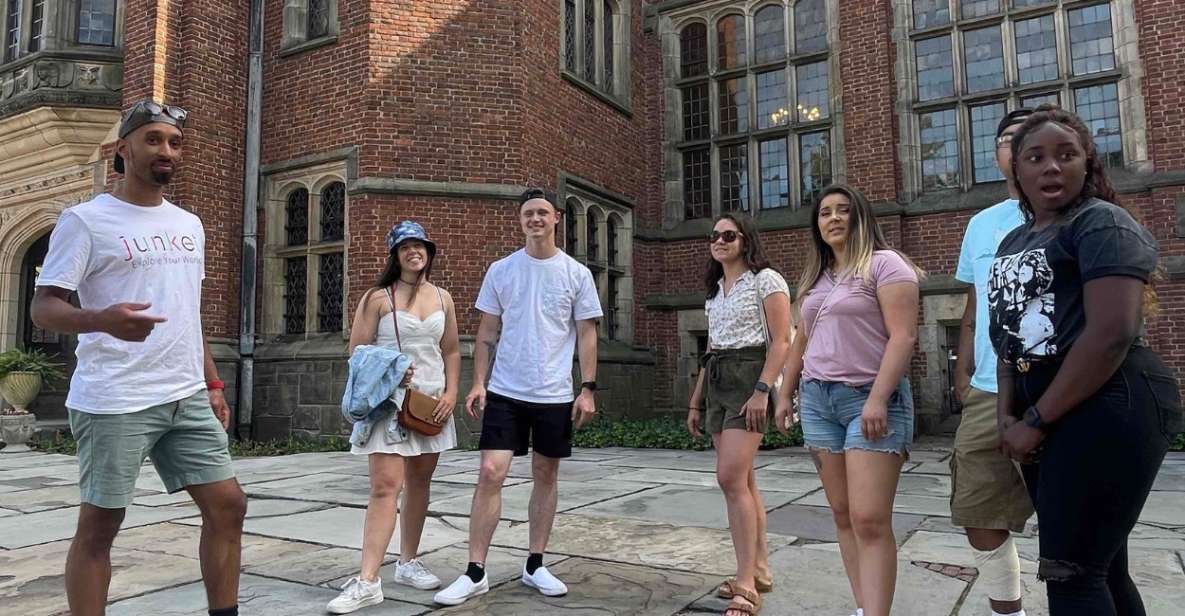
At $38 per person for a 2-hour guided walking tour, the value depends on what you’re after.
If your goal is “see some highlights,” you can spend less elsewhere. But if your goal is to understand Savannah with a guide who can connect spots, stories, and themes, this price starts to make sense. The tour isn’t just moving you around—it gives you context you’d struggle to assemble on your own in a short visit.
Also, this kind of tour is only as good as the guide. The reviews you’ll find for this experience emphasize how knowledgeable and story-driven the guides can be—especially naming Eric and Mr. Sims as memorable, confident historians who can tie stories to buildings on the spot. That kind of ability is hard to replicate with a self-guided audio app.
So my take: for a first-time visitor who wants both learning and practical city navigation, $38 feels fair. For someone who dislikes walking or hates history topics, you’d be better with a shorter or more lighthearted outing.
Practical tips so you enjoy it fully
Here’s how I’d prepare so you can focus on the stories and not your feet.
- Wear comfortable shoes. The tour is described as not recommended beyond about a mile of walking.
- Dress for the weather. It runs rain or shine, so have a plan for wet or hot conditions.
- Bring your camera, but note the rule: video recording isn’t allowed. Photos are implied as part of the experience since Ellis Square is called out as photo-worthy.
- Plan to follow site rules. Smoking and alcohol/drugs are not allowed.
- If you’re asked to go through express security, use it. The tour includes skip-the-line style help through express security check.
One more thing: be ready to talk back—at least mentally. Guides on this tour style the conversation so you’ll catch yourself asking Why here? Who helped? Why that promise matters? If you like that kind of mental workout, you’ll enjoy it.
What makes the guide matter so much here
A walking tour like this lives or dies by the guide. On this experience, several named guides come up as strong storytellers—especially Eric, who’s described as personable and extremely informative, and Mr. Sims, praised as a fantastic historian with great storytelling.
Why that matters for you: when the guide can point to a building and connect it to the story, you stop feeling lost. You start feeling oriented. And when the guide can explain hard material without turning it into a slog, you actually retain it after the walk ends.
This is also where the humor helps. When a guide uses lightness carefully, it doesn’t trivialize the past—it makes the truth easier to carry.
Should you book this Black History Walking Tour in Savannah?
I think you should book if you want a guided way to understand Savannah beyond the postcard view. This tour connects African cultural influence, revolutionary-era participation (including Haitian soldiers), Underground Railroad secrecy tied to an older church, and the broken promise behind 40 acres and a mule.
I’d pass if your mobility is limited, if walking more than about a mile is tough, or if you prefer your history lighter and less structured. Two hours is focused, not casual.
If you’re visiting Savannah for the first time, or if you’ve been before and felt like you missed the deeper layer, this is a strong way to fix that. You’ll leave with stories you can carry—and you’ll start seeing the city as a map of people, choices, and consequences.
FAQ
Where does the tour meet?
Tours meet in the center of Yamacraw Square, 128 W Bay St, Savannah, GA 31401, next to the 3 bronze children statues.
How long is the walking tour?
The tour lasts 2 hours.
How much does the tour cost?
The price is $38 per person.
What is included in the price?
Included items are a 2-hour walking tour, a knowledgeable live guide, and well-researched and credible history.
What should I bring?
Bring comfortable shoes and weather-appropriate clothing.
Does it run in bad weather?
Yes. The tour happens rain or shine.
Is video recording allowed?
No. Video recording is not allowed.
Is the tour suitable for people who can’t walk very far?
It’s not recommended for people who cannot walk more than a mile. It’s also not suitable for people with mobility impairments.