REVIEW · SAVANNAH
Private Savannah Medical History Walking Tour
Book on Viator →Operated by Savannah Medical History Tours · Bookable on Viator
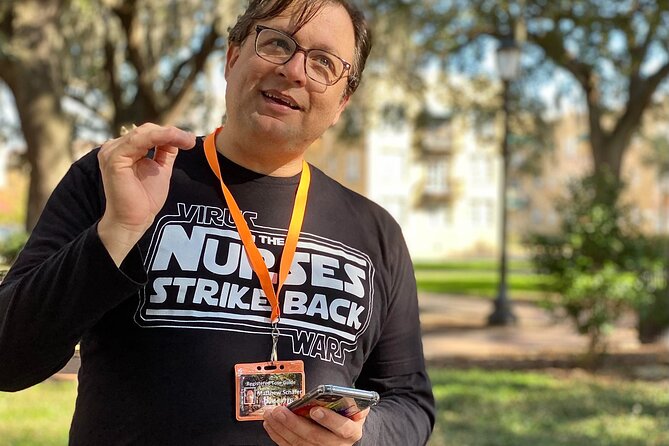
Medicine meets Savannah’s streets. This private medical history walking tour led by registered nurse Matthew turns famous local landmarks into real public-health stories, from early women’s care to the era of epidemics and scarier medical myths. You’ll walk past sites like the old Telfair Women’s Hospital and end at Johnson Square, with the city’s survival instincts woven into every stop.
What I like most is the guide’s approach: you get clear medical context without getting lectured, and Matthew adjusts the level of terminology based on what your group can handle. The second big win is the private format—this isn’t a cattle-car lesson—so the walk stays personal and you can ask follow-ups as you go.
The one practical drawback: you’re on your feet for about 1.6 miles over historic streets, and Savannah summer can hit 90 degrees or more. Also, you’ll see the buildings tied to the stories but won’t enter the premises, so plan for photo stops and viewing from outside.
In This Review
- Key Things to Know Before You Go
- Savannah’s Medical History, Told Like a Street-Level Case Study
- Price and Timing: Is This Worth $25?
- The Walk Logistics: Where You Start, Where You End, and What to Bring
- Old Telfair Women’s Hospital: Feminism Meets Women’s Health
- Dueling, Doctors, and a Declaration of Independence Case Study
- Midnight in the Garden of Good and Evil: When Medical Thinking Meets Local Myth
- The Girl Scouts Founder’s Hearing and a Life Saved by Medicine
- Owens-Thomas House & Slave Quarters: The Medical Cost of Slavery
- Johnson Square as the Finish Line (Plus Smart Next Stops)
- What the Guide Does That Makes This Tour Special
- Who Should Book This Walking Tour (And Who Might Skip It)
- Should You Book the Private Savannah Medical History Walking Tour?
- FAQ
- How long is the Savannah Medical History walking tour?
- How far will we walk?
- Where do we start and where does the tour end?
- Who leads the tour?
- Is it a private tour?
- Do we enter the buildings?
- What’s the cost?
- Is cancellation free, and what happens with bad weather?
- Are service animals allowed?
Key Things to Know Before You Go

- Registered nurse guide (Matthew): You’re hearing medical history through a real clinical lens, not just dates and plaques.
- Private group experience: Only your group participates, so the tour can match your interests and comfort level.
- 1.6-mile walking route: About 90 minutes total, with stops that keep the pace steady and conversational.
- Historic sites without entry: Expect exterior viewing and street-level context more than museum time.
- Savannah’s tough topics handled as health history: Includes slavery’s medical implications and the way illness and injury shaped daily life.
Savannah’s Medical History, Told Like a Street-Level Case Study
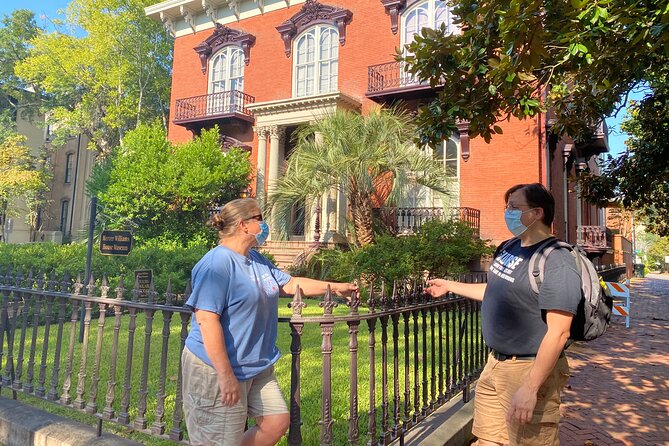
This tour works because it treats health as part of the city’s everyday reality. You’re not just learning what happened—you’re learning how people coped, who had access to care, and how medical decisions (and medical neglect) were shaped by the world around them.
Matthew’s nursing background matters here. When he explains topics like epidemics, injury, and healthcare during harsh periods, you get a sense of cause and effect—how risk spread, how people tried to manage it, and where systems failed. It’s an unusual angle for a Savannah walk, and it’s especially appealing if you care about public health or you like history that connects to real human bodies, not just big names.
You also get a sense of balance. The tour doesn’t pretend the past was clean or tidy. Instead, it frames tragedies—then points at what they meant for medicine, policy, and public awareness. That makes the whole experience feel like an education you can carry with you when you leave the sidewalk.
You can also read our reviews of more walking tours in Savannah



Price and Timing: Is This Worth $25?

At $25 per person for about 1.5 hours, this is good value for a private, themed walk—especially because it’s led by a registered nurse, not a general guide who happens to be interested in history. Many tours either focus only on architecture or only on storytelling; this one ties both to healthcare topics, so you walk away with a clearer sense of how Savannah functioned under pressure.
Timing is also workable. The tour starts at 9:30 am and runs around 1 hour 30 minutes. That morning start helps you avoid the worst of the afternoon heat, and it gives you the rest of the day free for museums, food, and browsing downtown.
One more practical note: you’re walking about 1.6 miles. It’s not a long trek, but it’s long enough that you’ll want comfortable shoes and water, particularly in summer when Savannah regularly reaches 90 degrees or more.
The Walk Logistics: Where You Start, Where You End, and What to Bring
You’ll meet at 15 E Park Ave, Savannah, GA 31401, and the tour finishes at Johnson Square near the downtown core. Ending near Johnson Square is convenient because it’s an easy springboard into the rest of your day—food, shopping, and other sights are nearby.
Since you’re only stopping outside (you won’t enter buildings), bring a phone camera and expect some time for street-level viewing. The pace is designed for a conversational history walk, but the guide still covers enough ground that you should have a moderate fitness level.
Savannah basics apply:
- Wear comfortable walking shoes.
- Bring water, especially in warmer months.
- Plan for sun exposure because you’re on outdoor streets for the whole route.
Service animals are allowed, and the route is near public transportation, so you won’t feel trapped into driving.
Old Telfair Women’s Hospital: Feminism Meets Women’s Health

One of the smartest choices on the route is where you start—across the street from the park at the old Telfair Women’s Hospital. If you’ve only encountered Mary Telford through museum exhibits, this stop reframes her legacy in a healthcare context.
Matthew uses this area to connect women’s advocacy to real outcomes in women’s health. The point isn’t just that feminists existed; it’s that organized influence helped shape what women could access, who got attention in medical settings, and how health priorities got argued in public.
Even though you’re not going inside, the location works as a visual anchor. Standing nearby makes the story feel less abstract. You’re also close to the start of the route, so the tour doesn’t waste your time—you’re into the theme right away.
Dueling, Doctors, and a Declaration of Independence Case Study

Savannah has long been associated with dramatic local customs, and dueling is part of that legend. The tour uses that cultural thread to talk about medicine in a very practical way: the idea that at least one doctor needed to be present.
That might sound like a small detail, but it reveals something big about how injury and death were handled. You’ll hear implications through a specific case study connected to one of the original signers of the Declaration of Independence. The lesson here isn’t just who participated—it’s how violence and status collided with medical care, and what role healthcare played when the goal was survival, not reform.
This segment is a good example of the tour’s rhythm. Instead of jumping from topic to topic, Matthew ties culture to consequences. You leave thinking about how medicine shows up whenever people try to manage risk—whether that risk is disease, injury, or social conflict.
You can also read our reviews of more private tours in Savannah





Midnight in the Garden of Good and Evil: When Medical Thinking Meets Local Myth

Then the tour shifts to something modern-day visitors recognize: Midnight in the Garden of Good and Evil. Matthew approaches the book and movie from a medical perspective, which changes how you might remember the story.
This part works best if you’ve read or watched it, but it also stands alone. Even if you’re new to the film, you’ll get the point: stories like this reflect human behavior under stress, and medicine is often the quiet driver behind what people fear and what they attempt to hide.
You won’t get only pop-culture name-dropping. You’ll connect plot-style drama to health realities—how people respond to illness, injury, and the consequences of choices made in crisis. For anyone who likes history that feels like it could still happen today, this stop lands.
The Girl Scouts Founder’s Hearing and a Life Saved by Medicine
Another standout topic is the founder of the Girl Scouts, described here through health events that shaped her life. You’ll hear that she was famously deaf in one ear, then later a childhood accident left her deaf in one year. The story then turns again when a medical tragedy later in life helped prevent her from entering a loveless marriage.
It’s a powerful mix of biography and healthcare. What I like is that Matthew doesn’t treat it like a random trivia moment. He frames it as a reminder that medical outcomes can steer life decisions, not just bodies.
If you enjoy “health history as personal history,” this stop is a good emotional counterweight to the tour’s darker segments. It also keeps the walking pace engaging because the story has momentum and clear personal stakes.
Owens-Thomas House & Slave Quarters: The Medical Cost of Slavery
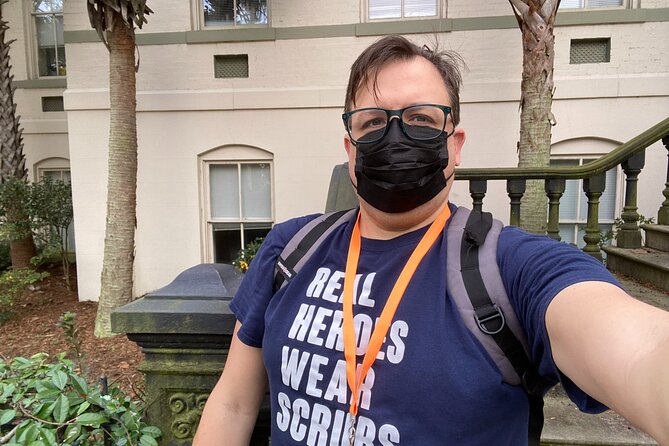
This is the tour’s heaviest stop, and it’s handled with purpose. You’ll see the Owens-Thomas House & Slave Quarters area from the outside as a backdrop to a difficult conversation about Savannah’s role in buying and selling human beings.
The medical implications are the focus: the tour connects the violence of enslavishment to the healthcare realities of transporting people across the Atlantic in cramped conditions. That means you’ll hear how disease risk, stress, injuries, and lack of care weren’t side effects—they were predictable outcomes in an exploitative system.
This segment is valuable for anyone trying to understand why “health history” can’t be separated from social history. Medicine doesn’t operate in a vacuum. When people are treated as property, the result is neglect and preventable harm on a massive scale.
It’s not a comfortable topic, but it’s an important one. And it makes later public-health ideas feel less like theories and more like hard-earned lessons learned through suffering.
Johnson Square as the Finish Line (Plus Smart Next Stops)
You end at Johnson Square, where Matthew wraps things up and offers directions to other attractions. He can also recommend restaurants and shopping nearby if you want to keep the day moving.
Ending here is a practical choice. Johnson Square sits right in the downtown area, so your tour doesn’t strand you on the edge of nowhere. It also gives you a natural break point: grab food, cool off, and then choose what you want to explore next with a clearer sense of what shaped the city around you.
Because this tour is exterior-only at the key medical sites, the finish helps you transition from “story time” to “Savannah time.” You’ll likely start noticing healthcare-related details in the city on your own after that.
What the Guide Does That Makes This Tour Special
A lot of history walks sound good on paper. This one works in real time because of how the guide connects ideas.
Here are the practical strengths that show up repeatedly in how Matthew runs the experience:
- Medical explanations in plain language: If your group is new to healthcare topics, he adjusts. If you work in medicine, you get more technical structure.
- Case-study style storytelling: Instead of dumping facts, he uses specific examples to explain larger trends.
- Cultural topics with healthcare consequences: Dueling, literature fame, and personal biography all get tied back to health realities.
One extra detail that adds credibility: Matthew was featured on Georgia Public Broadcasting, part of NPR. That doesn’t change the tour content, but it signals that his approach has been noticed beyond local word of mouth.
Who Should Book This Walking Tour (And Who Might Skip It)
You’ll probably love it if you:
- Want Savannah history through the lens of medicine and public health.
- Enjoy stories that connect social events to real-world outcomes.
- Like the idea of a registered nurse guide who can translate medical context.
You might choose a different type of tour if:
- You hate walking in heat and you’re visiting during peak summer without a willingness to hydrate.
- You’re specifically looking for indoor access or museum time, since the route includes viewing buildings but not entering them.
This is a solid fit for couples, friends, and anyone who wants a morning activity that teaches something real without taking over the entire day.
Should You Book the Private Savannah Medical History Walking Tour?
Yes—if you’re curious about how healthcare, inequality, injury, and resilience shaped Savannah, this tour is one of the more focused ways to learn it. At $25 per person, the private format plus a registered nurse guide makes it feel like more than a typical themed walk.
Just be honest about two things before you book: you’ll walk about 1.6 miles, and you’ll spend the experience outdoors with the real possibility of hot weather. If you plan for that, you’ll get a memorable, respectful, and surprisingly human take on Savannah’s past—one you can carry into your next stops around town.
FAQ
How long is the Savannah Medical History walking tour?
It runs about 1 hour 30 minutes (approximately).
How far will we walk?
The tour is about 1.6 miles over historic streets.
Where do we start and where does the tour end?
You start at 15 E Park Ave, Savannah, GA 31401, and the tour ends at Johnson Square near 2 E Bryan St, Savannah, GA 31401.
Who leads the tour?
The tour is led by a registered nurse. The guide named in the provided information is Matthew.
Is it a private tour?
Yes. It’s private, and only your group participates.
Do we enter the buildings?
No. You will visit the sites but not enter the premises.
What’s the cost?
The price is $25.00 per person.
Is cancellation free, and what happens with bad weather?
Cancellation is free, and you can cancel up to 24 hours in advance for a full refund. The experience requires good weather; if it’s canceled due to poor weather, you’ll be offered a different date or a full refund.
Are service animals allowed?
Yes, service animals are allowed.