REVIEW · SAVANNAH
Savannah: Highlights Off the Beaten Path Guided Walking Tour
Book on GetYourGuide →Operated by Must-See Savannah Walking Tours · Bookable on GetYourGuide
Savannah’s squares feel different with a local guide. This 2-hour walking tour threads together big-name stops and quieter side streets, with Spanish moss on live oaks and architecture you’ll want to photograph. I love how the guide’s storytelling turns the historic district from a postcard loop into something you can follow on foot.
Two things I really like: you get the famous landmarks, then you also see the ironwork, side-street details, and the slower rhythm of daily Savannah life. And you finish with practical food and sightseeing tips for after the walk, so you’re not stuck guessing what’s worth your time next.
One consideration: it’s an outdoor walk in light to medium rain or shine, with flat but sometimes uneven ground and limited restroom access. If you hate walking 2 hours, or you need frequent restroom breaks, plan your day around it.
In This Review
- Key highlights worth prioritizing
- From Forsyth Park to Chippewa Square: the flow of this Savannah walk
- Meeting at Forsyth Park: easy start, good orientation
- Monterey Square: mansions, Mercer House, and a Gothic synagogue sightline
- Cast-iron and wrought-iron details on quieter streets
- Jones Street: Spanish moss live oaks and that slow Southern street rhythm
- Madison Square and a real break from sightseeing
- Lafayette Square: civic landmarks and Girl Scouts origins
- Chippewa Square and James Oglethorpe: the city grid explained
- Price and value: what $25 buys you in Savannah time
- What it feels like on the ground: pace, rain, and walking comfort
- Who should book this tour (and who might not)
- Should you book this Savannah off-the-beaten-path walking tour?
- FAQ
- How long is the Savannah walking tour?
- Where do I meet the guide?
- What’s included in the price?
- Does the tour run in bad weather?
- What should I bring for the walk?
- Are dogs and strollers/wheelchairs allowed?
Key highlights worth prioritizing
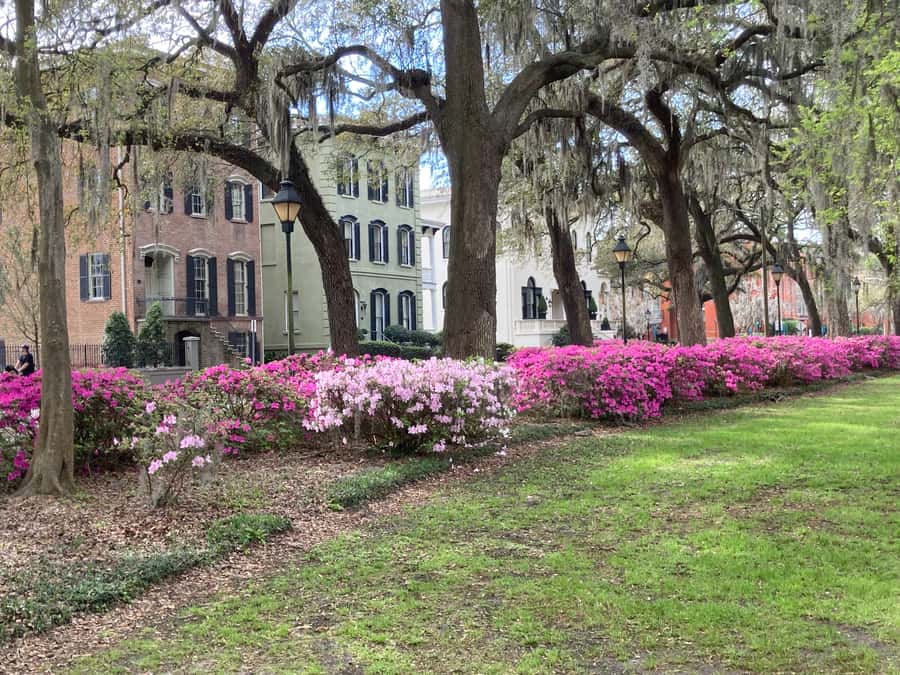
- Forsyth Park start: a simple, easy-to-find kickoff before the squares begin
- Monterey Square stops: Mercer House context plus a Gothic synagogue sighting
- Savannah ironwork: cast iron, woven wire, and wrought iron details plus gates to look for
- Jones Street under Spanish moss: the leafy, shaded street that makes Savannah feel like Savannah
- Squares with specific stories: Madison, Lafayette (Girl Scouts origins), and Chippewa (James Oglethorpe)
From Forsyth Park to Chippewa Square: the flow of this Savannah walk
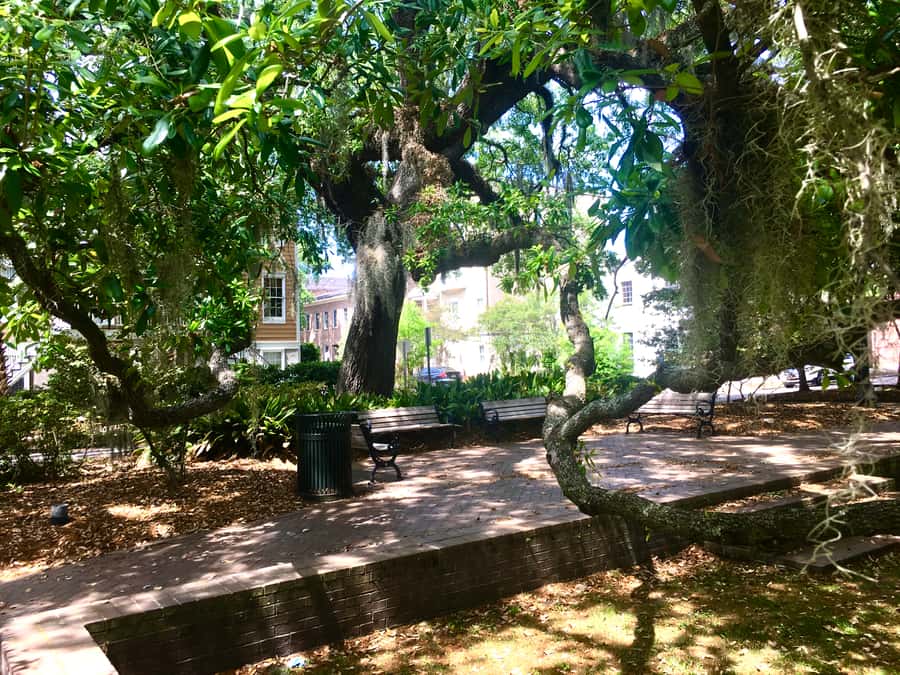
This tour covers the historic district in a way that feels like following a smart friend, not checking off a list. You start at Forsyth Park, then move square to square until you reach Chippewa Square, where the city’s founder, James Oglethorpe, anchors the whole layout in your mind.
It’s a good length for first-time visitors. Two hours doesn’t try to cover everything, which actually helps you absorb details instead of rushing. And because it’s a walking format, you see Savannah the way it works: on foot, under trees, through narrow streets where the buildings and ironwork become the main attraction.
You can also read our reviews of more walking tours in Savannah



Meeting at Forsyth Park: easy start, good orientation
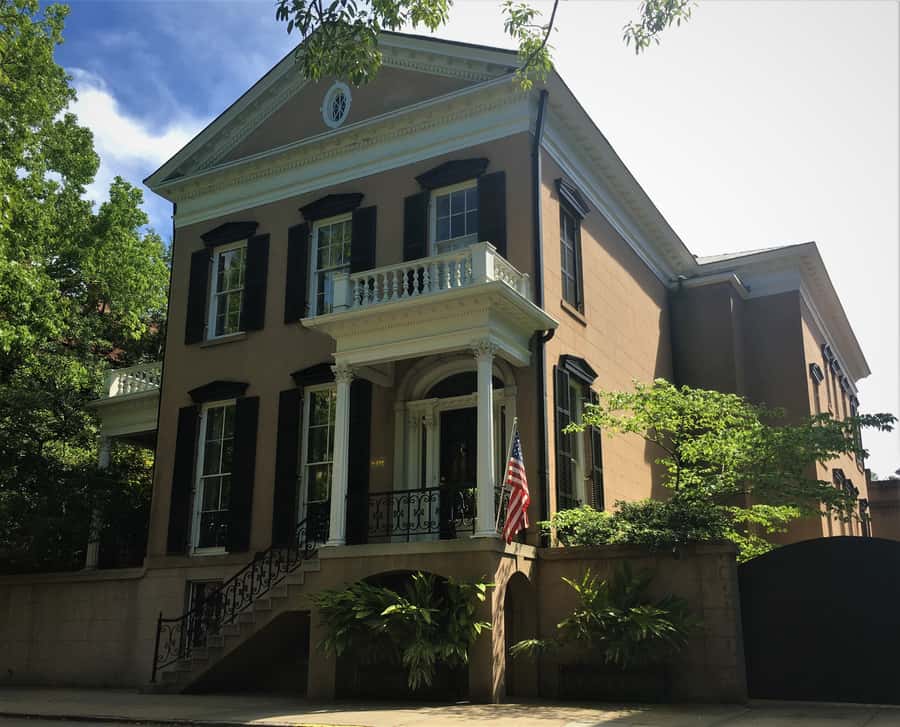
You meet on the northwest corner of Forsyth Park, at the corner of Gaston Street and Whitaker Street. Look for Hodgson Hall across the street (Georgia Historical Society) and a guide wearing a blue ID.
I like this start because Forsyth Park gives you breathing room before the pace tightens around the squares. The park is also large enough that it helps you mentally reset from arrival-stress mode, then transition into the grid and block pattern of the historic district.
Practical tip: bring your umbrella and camera. The tour runs in light to medium rain or shine, and Savannah weather can flip fast. If you’re planning to get photos of Spanish moss and ironwork, you’ll be glad you brought what you need.
Monterey Square: mansions, Mercer House, and a Gothic synagogue sightline

Monterey Square is where the tour sharpens from scenic walking into specific place-based storytelling. The focus here is the mansion-lined atmosphere and the history of these streets—plus a few high-impact points you’d likely miss if you were wandering without direction.
You’ll hear about the Mercer House, including its place in a local true-crime mystery. That hook matters, because Savannah history often feels abstract until a story gives it edges. Then you’ll also spot the Gothic synagogue, noted as one of the oldest in the United States, and learn how it fits into the neighborhood’s character.
What to watch for here: don’t just look at the buildings—look at the way they face the square. Squares in Savannah aren’t decorative leftovers. They’re part of how the city is designed to shape movement, views, and community life.
Possible snag: if you’re very weather-sensitive, this part can be a bit more exposed around the square before you get deeper into shaded streets. In light rain, plan on still moving and expect you’ll get a little damp.
Cast-iron and wrought-iron details on quieter streets
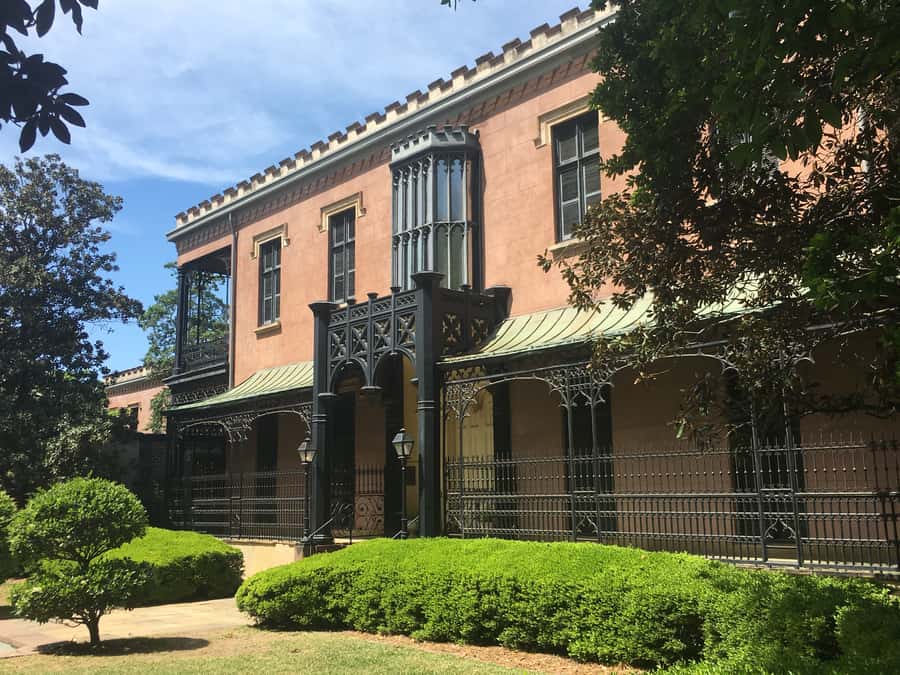
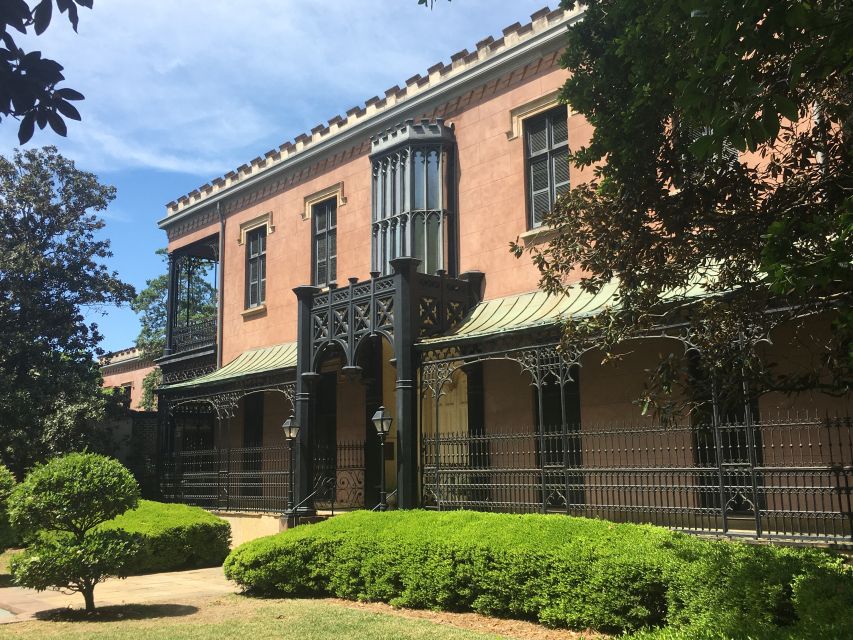
After Monterey Square, you shift into one of Savannah’s defining visual languages: ironwork. The tour highlights cast iron, woven wire, and wrought iron, and you’ll also be pointed toward hand-wrought gates you might otherwise walk right past.
I love this stretch because it’s the kind of architecture detail that makes you feel smarter without needing a textbook. The guide doesn’t just point out metal; he connects it to how craftsmanship and design show up in everyday corners of the city.
If you’re a photo person, this is where you’ll get repeatable shots—shapes, patterns, and textures, especially when the light hits the gates and railings. And because the walk moves to quieter streets, you get a calmer Savannah vibe that feels more personal than the busiest plaza moments.
In past tours with guides like Dee, there’s also attention to smaller botanical and architectural details. One example from a guide’s explanations: Spanish moss was explained as an epiphyte—neither Spanish nor moss—and the group even learned what to look for in its spring bloom. That kind of detail is a big part of why this tour feels like it teaches you how to see Savannah.
Jones Street: Spanish moss live oaks and that slow Southern street rhythm
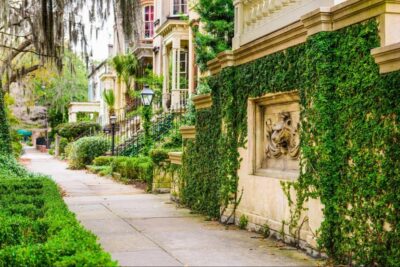
Next comes Jones Street, often described as one of the prettiest streets in Savannah. This is the shaded, leafy stretch where live oaks draped with Spanish moss turn the walkway into a tunnel of green.
You’ll walk under that canopy and learn about historic homes along the way. The tour also points out fragrant flowers and colorful foliage, which matters more than you’d think. Savannah can be very photogenic, but the guided element helps you notice what’s actually there, seasonally and in real life—not just the famous view.
The payoff: Jones Street is where the city stops feeling like “historic buildings” and starts feeling like a lived-in neighborhood. The stories give the architecture weight, and the shade makes the walking portion feel easier.
One thing to consider: this part depends on timing and weather. In heavy rain, you’ll want to keep your umbrella close and watch your footing on uneven patches. If you’re bringing a stroller or wheelchair, the tour notes it’s accessible, but you’ll still want to go steady around uneven ground.
You can also read our reviews of more guided tours in Savannah



Madison Square and a real break from sightseeing
Madison Square brings more open civic space into the mix. Here, the tour points out important civic buildings, monuments, and stately homes—and it gives you a moment to slow down.
A helpful detail is that you’re offered time to grab a refreshment at a nearby quaint café, or just sit on benches under the oaks. This is where you can recharge your feet and let the information land. It’s also a smart move for decision-making: after a guided walk, you often want to compare what you learned with what you feel like doing next.
If you’re the type who likes to plan after you see things in person, this pause helps. You can check your next steps: which square you want to linger in, what museum you’d rather prioritize, and which street you want to revisit when the light changes.
Lafayette Square: civic landmarks and Girl Scouts origins
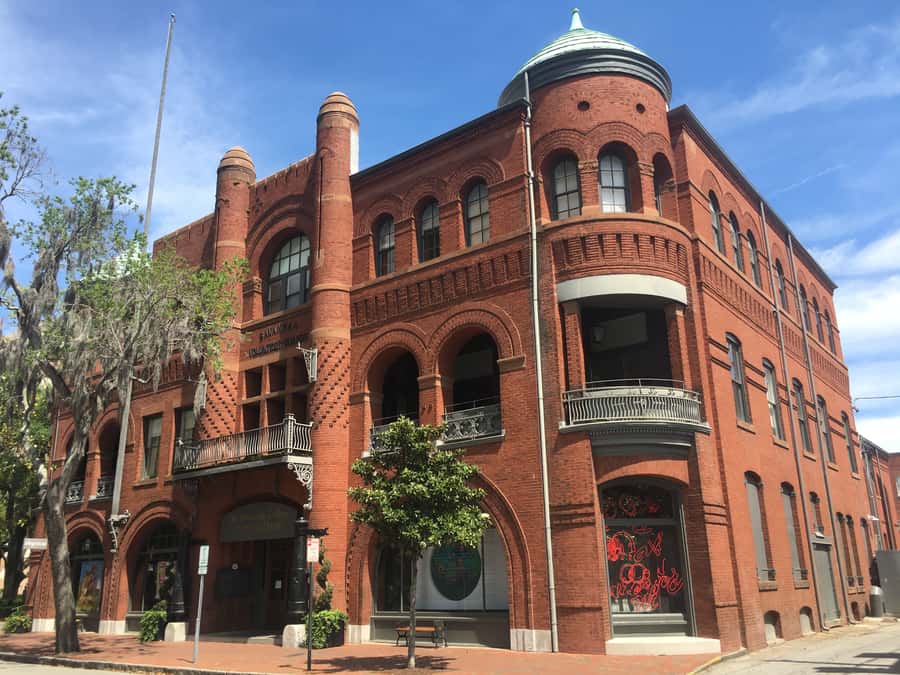
Lafayette Square is another key square stop, and it’s presented with the kind of context that turns sightseeing into understanding. You’ll see landmark buildings lined around the square and learn about the origins of the Girl Scouts here.
I like this stop because it adds another layer beyond architecture. It reminds you Savannah isn’t just old buildings—it’s also a place where institutions formed and people made community choices. That civic angle helps the whole walk feel connected instead of split into unrelated scenes.
You’ll also pass by the Jingle Bells church and the Savannah College of Art and Design (SCAD) before reaching Chippewa Square. Those quick contextual moments work well if you’re the kind of traveler who likes to notice how past and present sit side by side.
Chippewa Square and James Oglethorpe: the city grid explained
Chippewa Square is the final anchor stop. You’ll learn about the city’s founder, James Oglethorpe, and how his design shaped Savannah’s layout.
This is the moment where it all clicks. Once you understand the grid and how squares function, the streets start to make sense when you walk away. You stop thinking like a tourist who needs directions and start thinking like someone moving through a real city.
Photo tip: this is a good place to take one last set of pictures before your legs tire. It’s also where you can ask your guide smart follow-up questions about what to do next, since the tour ends back at the original meeting point in the historic district.
Price and value: what $25 buys you in Savannah time
At $25 per person for a 2-hour guided walk, the value mostly comes down to two things: expert guidance and time saved.
Savannah’s historic district can be rewarding if you wander alone. But without local context, it’s easy to miss why a building matters, what an iron gate signals, or how a square’s story connects to the city’s design. This tour gives you that interpretive layer so you don’t just look—you understand.
The guide also functions like an in-city concierge at the end, offering tips on eateries, museums, and shops to visit after the tour. That matters because meals and museum choices can make or break a trip. If you use those suggestions well, the tour pays for itself in the form of better decisions.
What it feels like on the ground: pace, rain, and walking comfort
The experience is described as light to medium rain or shine, with a light degree of exercise over flat but sometimes uneven ground. Strollers and wheelchairs are supported, and dogs are welcome as long as they’re on leashes.
Restrooms are limited, so I’d treat the midpoint pause as your cue to plan. If you’re traveling with kids, or you know you need breaks, pack accordingly and don’t assume facilities will be close by every stop.
Pace-wise, the guide is set up to keep things moving while still slowing down when needed. Multiple guide notes (including Dee) mention a considerate pace and lots of room for questions. That’s one of the best parts of this tour format: you can steer the conversation toward architecture, history, or practical recommendations.
Who should book this tour (and who might not)
I’d suggest this tour if you’re:
- seeing Savannah for the first time and want a fast orientation through major squares
- the kind of person who likes architectural details like iron gates and Spanish moss
- hungry for practical guidance—where to eat, what to do next, and how to understand what you’re looking at
I’d reconsider if:
- you want a self-paced, silent stroll with zero group conversation
- you need very frequent restroom access
- you’re not comfortable walking for 2 hours even at an easy pace
Should you book this Savannah off-the-beaten-path walking tour?
If you want Savannah in a way that’s both structured and flexible, this tour is a solid bet. You get the famous stops—Monterey Square, Jones Street, Lafayette Square, Chippewa Square—without feeling trapped in a generic checklist. The guide’s stories and pointers help you notice details like ironwork, and Spanish moss explanations can genuinely change how you see the trees.
Book it if you’re short on time but still want depth. Skip it if you’d rather cover the district independently and don’t care about guided context or restaurant and museum recommendations.
FAQ
How long is the Savannah walking tour?
It lasts about 2 hours.
Where do I meet the guide?
Meet at the northwest corner of Forsyth Park, on the corner of Gaston Street and Whitaker Street, near Hodgson Hall at 501 Whitaker Street.
What’s included in the price?
You get a local guide, the walking tour, and concierge services. Hotel pickup and drop-off are not included.
Does the tour run in bad weather?
Yes. It takes place in light to medium rain or shine.
What should I bring for the walk?
Bring an umbrella, a camera, and weather-appropriate clothing.
Are dogs and strollers/wheelchairs allowed?
Dogs are welcome but must be kept on leashes. The tour is wheelchair accessible and stroller-accessible. Restroom access is limited.