REVIEW · SAVANNAH
Civil War Savannah!! Guided Walking Tour
Book on Viator →Operated by Savannah Walks · Bookable on Viator
Savannah talks Civil War at street level. This guided walk through the Savannah Historic District turns famous names and dates into something you can actually picture, from Warren Square to Sherman’s headquarters. I especially like how the tour ties military events to real city streets, not just abstract history, and how guides keep it human with stories of what people endured.
My other favorite part is the way it sets the timeline straight, starting with Savannah’s early war role and then moving to Sherman’s December 22, 1864 message. If there’s one drawback to plan for, it’s that this is a history walk more than a battle-scene tour, so you should expect strategy, politics, and daily hardship more than cannon fire.
In This Review
- Key things you’ll notice right away
- Warren Square to Green-Meldrim: how the story is framed
- Savannah Historic District: why this walking route works
- The early-war timeline: Fort Pulaski comes before Fort Sumter
- Strategy on the streets: North vs South explained in plain terms
- General houses, architecture, and what they hint about
- Sherman’s telegram and the end of the walk at Green-Meldrim
- How long, how much walking, and what to bring
- What makes the guides stand out on this route
- Who should book this, and who might want a different tour
- Value: what you get for your time
- Should you book Civil War Savannah walking tour?
- FAQ
- How long is the Civil War Savannah guided walking tour?
- Where do I meet, and where does the tour end?
- Is the tour offered in English, and do I get a ticket on my phone?
- Is there a lot of walking, and what should I wear?
- Are pets allowed on the tour?
- If I cancel, do I get a refund?
Key things you’ll notice right away
- Warren Square start with the context of Sherman’s telegram to Lincoln on December 22, 1864
- Historic District scale in one of the largest National Historic Landmark Districts in the U.S.
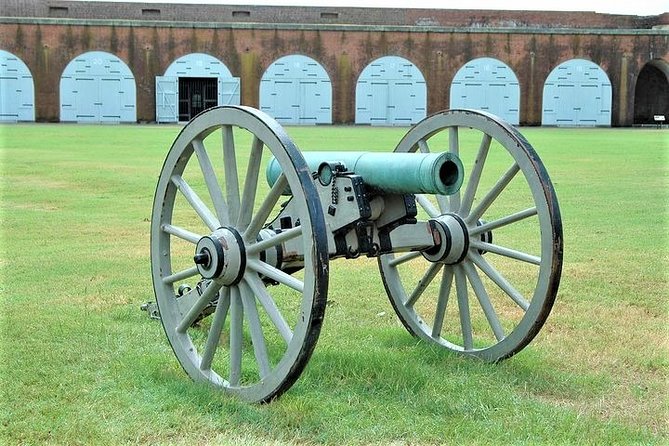
- A clear early-war timeline tied to the seizure of Fort Pulaski by Georgian troops in January 1860
- Houses tied to major Confederate figures plus the architecture that shaped wartime life
- North vs South strategy talk paired with civilian hardship on the Confederate side
- A strong ending point at the Green-Meldrim House, also known as Sherman’s headquarters
Warren Square to Green-Meldrim: how the story is framed
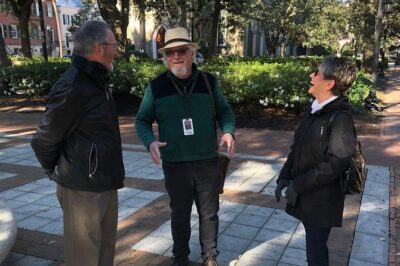
This tour starts where Savannah’s civic life makes the most sense: Warren Square. You meet at 22 Habersham St, and your guide sets the tone fast with the Civil War story that’s linked to occupation, decisions, and messages. One of the most memorable moments is the line from General Sherman’s telegram to President Lincoln, after the Union capture of Savannah: I beg to present you, as a Christmas gift, the city of Savannah. That framing matters, because it helps you see the war as something that moved through planning rooms and dispatches, not only through battle lines.
From the start, the tour also anchors you in the long view of the city. The Historic District isn’t just “old buildings.” It was the center of colonial government in the 1700s, and it’s tied to a major Georgia moment: the first reading of the Declaration of Independence in the state happened here. Then the guide flips the lens toward the war years, so you’re not only learning what happened, but why Savannah was positioned to matter.
The ending point is just as specific. The tour finishes at the Green-Meldrim House (often linked in history talk as Sherman’s headquarters), located on the west side of Madison Square at the intersection of Bull and Harris St. The walk closes with the Union presence as a contrast to everything you’ve just learned about local life under pressure.
You can also read our reviews of more walking tours in Savannah



Savannah Historic District: why this walking route works

You don’t need a car to understand Savannah during the Civil War era. The charm of this route is that it stays concentrated in the Historic District, where you can keep seeing the same types of streets, squares, and building styles that shaped daily life for decades.
This matters for your learning. In many places, Civil War history gets split across distant sites. Here, the guide uses the density of the Historic District to build a “chain of cause and effect.” You’ll hear how Savannah’s colonial importance set up the city’s role in later centuries. Then you’ll connect that to the military story: why strategic locations mattered, why supply and movement were everything, and why the war’s impact spread well beyond the battlefield.
The tour also focuses on what you can see. It’s designed to pass by the houses of prominent Confederate generals, so the history isn’t floating in a textbook. You’re looking at the kinds of structures that would have sheltered decision-makers while the city and surrounding areas were under strain.
And because it’s a walking tour, you’ll get a feel for the scale of Savannah’s layout. You’re looking at the kind of city that can hide big movements behind ordinary-looking streets, which is a useful way to think when you hear stories about strategy.
The early-war timeline: Fort Pulaski comes before Fort Sumter
Most people arrive in Savannah expecting to jump straight to the “official” start of the Civil War at Fort Sumter. This tour takes a different and helpful angle: it places Savannah’s war story in motion earlier than you might think.
Here’s the timeline your guide uses: for Savannah, the Civil War begins in January 1860, with the seizing of Fort Pulaski by Georgian troops. That precedes the attack on Fort Sumter in Charleston by about three months—something that catches a lot of visitors off guard.
Why that’s valuable: it corrects the one-line version of history many people carry around. If the “start date” shifts, then the “build-up” changes too. You start to see how political tension, local action, and regional momentum came first, and only later did national attention snap into place.
The tour uses this early-war context to set up later moments you’ll hear about, including how both sides viewed strategy and how those choices hit civilian life on the Confederate side.
Strategy on the streets: North vs South explained in plain terms
This is one of the main reasons to book this walk instead of just wandering the Historic District on your own. The guide turns geography into strategy.
You’ll learn about how the North and South approached military thinking, what mattered for operations, and how Savannah fit into broader aims. The tour doesn’t treat strategy like a game; it links it to the reality that cities are systems. When the system breaks—through shortages, disruption, fear, and forced adjustments—civilians feel it immediately.
The tour also brings in the Confederate states’ role in the war. That helps you avoid the common trap of hearing the conflict as only one thing, told by one set of headlines. You’ll hear how the war affected Southern communities, and how locals dealt with hardships as events turned from politics into prolonged pressure.
One practical point: since the walk stays mostly in the Historic District, the “action” you’re learning about is often conceptual. Instead of expecting battlefield scenes around every corner, you’re building an understanding of what commanders were trying to do—and what that meant for people living in the same space.
General houses, architecture, and what they hint about
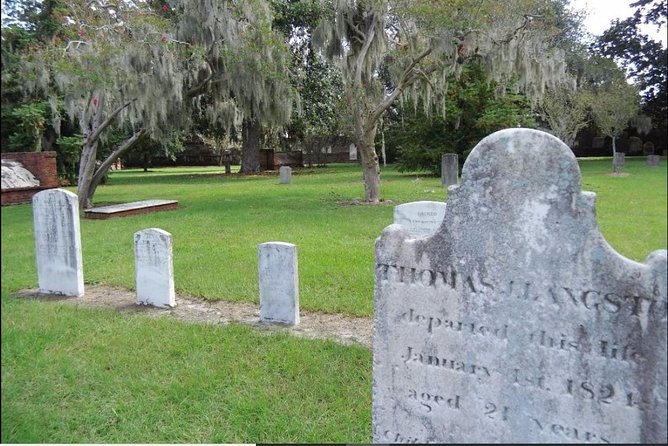
Passing the houses of major Confederate generals is more than a sightseeing checkbox. It’s a way to connect leadership to place.
You’ll also hear how the architecture you see around the Historic District relates to the time period. Even if you’re not an architecture expert, the guide uses building shapes and layouts to make the past feel less abstract. It’s the kind of detail that gives you “eyes on” evidence when someone says a city was prepared for certain kinds of social and political life.
There’s another subtle benefit. These stops give you micro-stories that keep the bigger war narrative from flattening into names and dates. When a guide ties a well-known person to a particular spot in the city, your brain naturally organizes what you’re hearing.
You can also read our reviews of more guided tours in Savannah






Sherman’s telegram and the end of the walk at Green-Meldrim
Ending at the Green-Meldrim House is a strong choice because the tour’s theme comes full circle: messages, movement, and occupation.
You’ll hear about Sherman’s presence in Savannah and the fact that Sherman was invited to stay at the Green-Meldrim House, which is why the home is often associated with his headquarters. That connection makes the earlier telegram line at Warren Square feel less like a trivia fact and more like part of a real chain of events.
This is also where the tour helps you handle one common misconception. People often repeat the idea of Sherman as pure destruction, but the guide’s framing is more nuanced. You may hear corrections about how Sherman’s actions in certain places are often exaggerated in popular storytelling. (The key takeaway is that this tour leans toward accuracy over myth.)
How long, how much walking, and what to bring
The tour runs about 1 hour 45 minutes. It’s set up as a short walking experience with a clear beginning and end, and it caps at 30 travelers, so it feels manageable rather than chaotic.
Plan on real walking. One of the practical notes that fits this route is that you’ll want comfortable shoes. Savannah heat can be intense, and if you’re visiting in peak summer, schedule this kind of walk earlier in the day if you can.
Other useful details:
- It’s offered in English
- You get a mobile ticket
- It’s near public transportation
- Pets are welcome
What makes the guides stand out on this route

The quality jump here comes from the human delivery. On this kind of tour, your guide is the difference between dates on a page and history that feels alive.
Guides like Zack and Brad have been praised for combining facts with humor and for keeping questions moving. Others, like Will, have been singled out for being personable and for giving extra sightseeing and food suggestions along the way. That matters because it helps you turn the tour into a full Savannah plan for the rest of your day, not just a timed walk.
If you care about accuracy, you’ll likely appreciate that the tour aims to cover the Civil War story with a fair amount of detail for the time you’re spending. The route is designed to hit many Civil War-related points without sending you all over town.
Who should book this, and who might want a different tour
This walk is a great fit if you want:
- A focused Civil War narrative tied to Savannah’s actual streets and squares
- A better understanding of strategy and civilian hardship, not just famous battles
- A route that balances the city’s older layers (colonial era) with its wartime role
It’s less ideal if what you’re craving is heavy battlefield drama. Savannah’s story during the Civil War is often about occupation, decisions, and how a major city coped under threat. You’ll still get plenty of war context, but the tone is history-on-foot rather than reenactment.
It’s also a solid option for people who like learning from a guide who can answer questions. The pacing is built for interaction, and the small group size helps.
Value: what you get for your time
Even though there’s no fixed “museum ticket” focus here, the value comes from the guide-led route. You’re essentially paying for:
- A professional guide who connects Savannah’s landmarks to the Civil War narrative
- A structured walk through the Historic District with the war placed in context
Because the tour is about 1 hour 45 minutes, it’s also a good time-to-learning ratio. You don’t need to commit an entire day to see the story take shape.
A small bonus is how the guide can enrich the experience with context beyond the main timeline—like clarifying myths and adding local geographic detail so the city’s layout makes sense while you’re walking.
Should you book Civil War Savannah walking tour?
Yes—if you’re going to spend time in Savannah’s Historic District anyway, this is the best way to give that scenery a Civil War “why.” Starting at Warren Square and ending at Green-Meldrim gives you a clean narrative arc: colonial roots and civic space, early-war timing with Fort Pulaski, strategy and hardship, then Sherman’s message and presence in the city.
Skip it only if you want nonstop battle action or you’re hoping for a tour that treats Sherman’s role as the entire story. This walk is about Savannah, its place in the war, and how people lived through the pressure.
FAQ
How long is the Civil War Savannah guided walking tour?
It lasts about 1 hour 45 minutes.
Where do I meet, and where does the tour end?
You meet at 22 Habersham St, Savannah, GA 31401, and the tour ends at 14 W Macon St, Savannah, GA 31401. The endpoint is the Green-Meldrim House area at Madison Square (west side) at Bull and Harris St.
Is the tour offered in English, and do I get a ticket on my phone?
Yes, it’s offered in English. You also receive a mobile ticket.
Is there a lot of walking, and what should I wear?
This is a walking tour through the Historic District, so bring comfortable shoes. The tour recommends comfortable footwear.
Are pets allowed on the tour?
Yes, pets are welcome.
If I cancel, do I get a refund?
You can cancel up to 24 hours in advance for a full refund. If you cancel less than 24 hours before the start time, the amount you paid will not be refunded.