REVIEW · SAVANNAH
Walking Tour of Savannah’s Historic District
Book on Viator →Operated by Savannah Sidewalk Tours LLC · Bookable on Viator
Savannah clicks into focus fast on foot. This 2 hours 15 minutes Historic District walk is a smart way to see key squares and landmarks without getting lost, and I especially like the way the guide ties each stop to the city’s people and layout. The small-group size also makes it easy to ask questions, though if you’re chasing heavy architecture talk, you may want a different kind of tour to go deeper.
You start at the Olde Pink House area, then finish in Forsyth Park, so the route feels like a gentle stroll with a clear “before you wander on your own” payoff. You’ll get a mobile ticket and a licensed, professional guide, plus all taxes and fees are included in the $35 price, but there is moderate walking, so comfortable shoes really matter.
In This Review
- Key Highlights You’ll Care About
- Savannah Historic District, Tight Timeline: How This Walk Works
- Price and Value: What $35 Really Gets You
- Start at Olde Pink House and Reynolds Square’s John Wesley Moment
- River Street: Eating, Drinking, and a Brief History You Can’t Ignore
- Johnson Square and Wright Square: Revolution-Era Pressures and Local Culture
- Chippewa Square and Oglethorpe’s Origins: The Point Where the City’s Story Begins
- Cathedral of St. John the Baptist: History and Optional Inside Time
- Hamilton-Turner House and Andrew Low House: Homes With Serious Backstory
- Mercer Williams House Museum and Congregation Mickve Israel: Faith, Memory, and Identity
- Armstrong House and the Walk’s Finish at Forsyth Park
- Who This Tour Fits Best (And Who Might Want a Different Style)
- Tips to Make Your Walk More Comfortable
- Should You Book This Savannah Historic District Walk?
- FAQ
- How much does the Walking Tour of Savannah’s Historic District cost?
- How long is the tour?
- Where does the tour start and what time does it begin?
- Where does the tour end?
- How big is the group?
- What’s included in the price?
Key Highlights You’ll Care About

- Max 15 people keeps the pace human and the Q&A real
- Reynolds Square to Forsyth Park gives you a clean orientation loop
- A mix of landmarks and stories (politics, religion, and local culture)
- Optional church interior time at Cathedral of St. John the Baptist if it’s open
- Practical guidance for what to see next, including dining and shopping ideas
Savannah Historic District, Tight Timeline: How This Walk Works
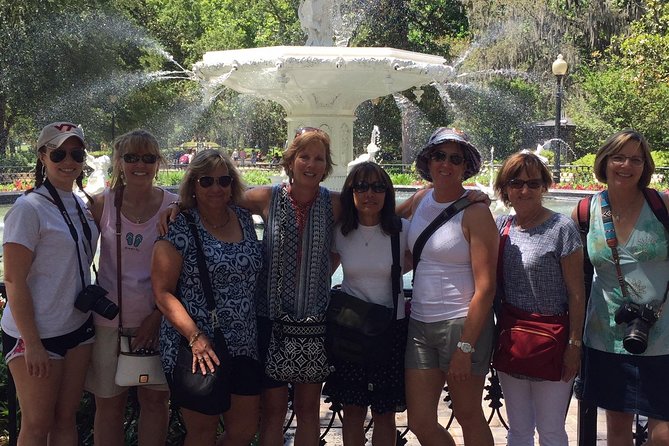
If you only have a short window in Savannah, this type of walking tour is a lifesaver. At $35 per person for about 2 hours 15 minutes, you’re buying time-savings and context. You’re not just collecting photos—you’re learning how the city is put together: squares, streets, and the buildings tied to major eras.
The format is straightforward. You meet near 23 Abercorn St at the Olde Pink House area at 10:00 am, walk through a sequence of major stops, and end in Forsyth Park. The tour is offered in English and uses a mobile ticket, which is handy when you’re juggling sightseeing plans.
The group size matters here. With a cap of 15 people, the guide can actually respond to what you’re curious about instead of racing through a script. One practical point: you’re on your feet for a moderate amount of walking, so bring comfortable shoes and plan for the day’s weather.
You can also read our reviews of more walking tours in Savannah



Price and Value: What $35 Really Gets You
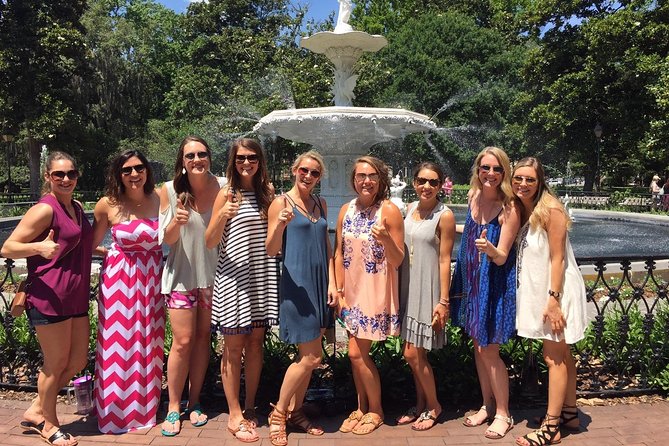
$35 sounds simple, but value is really about what you’re getting for it. This tour includes a licensed and professional guide and covers all taxes, fees, and handling charges. Hotel pickup and drop-off aren’t included, so you’re fully responsible for getting to the start point—but that’s also what keeps the price pointed and manageable.
You’ll also benefit from timing. It’s been commonly booked about 17 days in advance on average, so if your dates are fixed, book sooner rather than later. That’s especially true in seasons when Savannah fills up and your walking schedule gets more competitive.
Compared to renting a car or trying to stitch together a “do-it-yourself” route from scattered notes, a guided walk is often the least stressful option. You still get the freedom to explore afterward, but you start with a mental map first.
Start at Olde Pink House and Reynolds Square’s John Wesley Moment

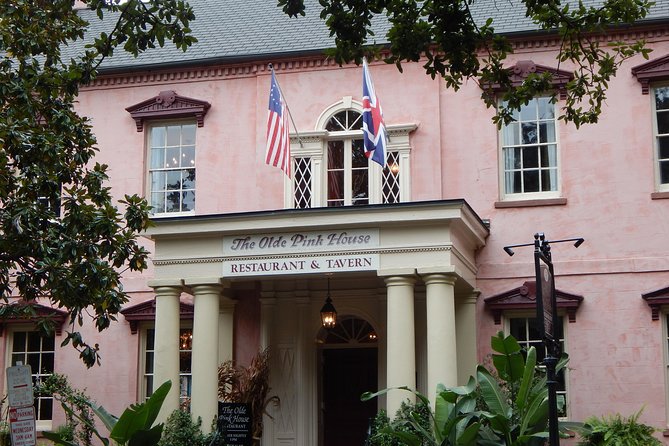
Your tour begins by the Olde Pink House at 23 Abercorn St, right near Reynolds Square next to the statue of John Wesley. This is a nice “get your bearings fast” start because it anchors you at a visible landmark and then immediately connects you to Savannah’s roots.
At the first stop, you’ll hear why the Olde Pink House across the street matters historically and culturally. Even if you’ve walked past famous places before, the guide’s job is to tell you what to notice—who was there, what changed, and how the building fits the bigger story. It’s an easy start, and you haven’t worked up your stride yet.
Reynolds Square also sets the tone for Savannah’s signature layout: squares as social centers. Once you understand that rhythm, the rest of the district makes more sense.
River Street: Eating, Drinking, and a Brief History You Can’t Ignore
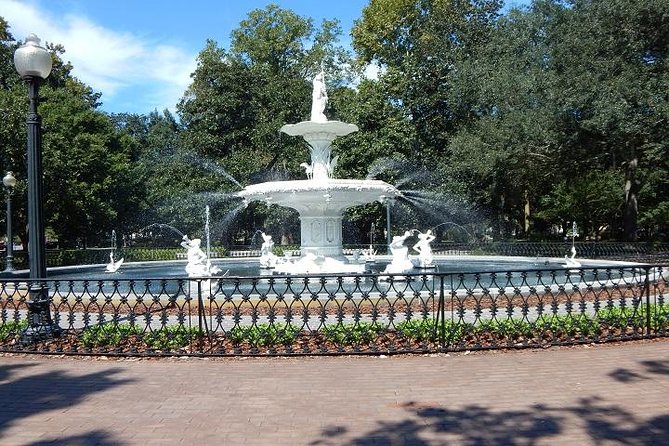
Next comes Historic River Street, where you’ll learn why this area became Savannah’s top dining and entertainment zone. The guide doesn’t treat the present as separate from the past. You’ll also get a brief talk about slavery in Savannah, which is important context in this city and not something you should skip.
The practical win is focus. River Street is crowded in a way that can make history feel like background noise. With a guide, you’ll know what to look for and what questions to ask as you walk and glance toward the riverfront.
If you’re the type who likes to linger, you’ll need to manage your time. This stop is short, and the goal is to keep the tour’s flow moving while still giving you that necessary historical note.
Johnson Square and Wright Square: Revolution-Era Pressures and Local Culture
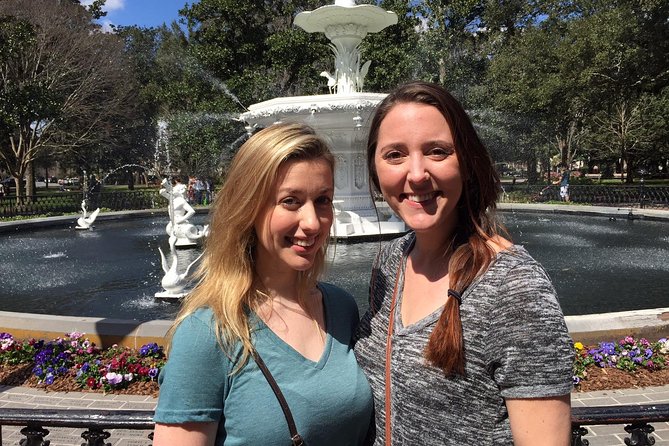
In Johnson Square, you’ll talk about Savannah’s role in the American Revolution and Civil Wars. Squares like this aren’t just pretty open space—they’re where the city’s identity and public life shaped itself over time. You’ll also learn how Savannah’s experiences in these major eras affected the people who lived here afterward.
Then you head to Wright Square, where the guide shifts from political eras to aspects of Savannah’s culture. This is a key part of why the tour feels balanced. You’re not stuck in one timeline. You’re learning how the city’s past shows up in daily life, building use, and local traditions.
A small caution: if you want every stop to be the same kind of deep, lecture-style history, this part of the walk might feel like it changes gears. The benefit is that you get variety without overloading any one topic.
You can also read our reviews of more historical tours in Savannah






Chippewa Square and Oglethorpe’s Origins: The Point Where the City’s Story Begins
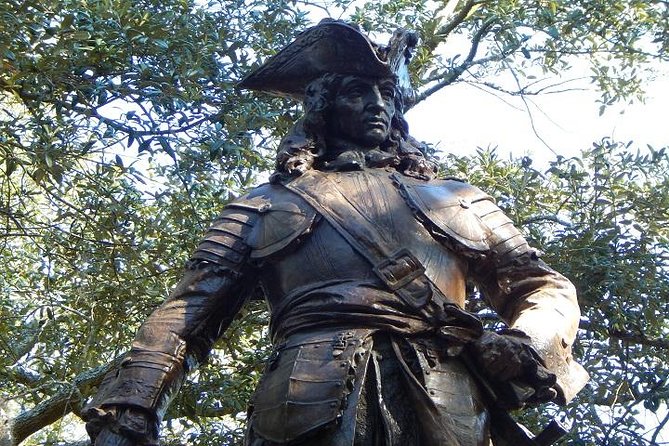
Chippewa Square is one of Savannah’s most photo-friendly spots, and it’s tied to James Edward Oglethorpe, the founder. At this statue, the guide explains Savannah’s origins, which helps a lot later when you start noticing repeating patterns in street plans and building choices.
This is a great moment to slow down mentally. If you’re thinking of Savannah as “all squares and balconies,” the origin story gives it backbone. It also makes the other stops feel connected rather than random highlights.
If you’re planning to wander on your own after the tour, this is the stop that helps you do it with confidence. You’ll recognize more landmarks and understand why they exist where they do.
Cathedral of St. John the Baptist: History and Optional Inside Time
Next is the Cathedral of St. John the Baptist. The guide talks about its history, and if the cathedral is open, you’ll get a look inside. That inside stop is worth hoping for, because churches are often where you can see materials, design choices, and craftsmanship that you can’t fully appreciate from outside.
Even without going in, this stop is still useful because it adds a strong thread of how Savannah’s religious life influenced community identity. Savannah can feel like a stage set if you don’t learn what institutions mattered. This helps.
Tip for you: if you’re the kind of person who always checks opening hours on your own, keep an eye on whether the cathedral is accessible during your tour. The tour says inside time depends on opening, so don’t assume it will happen every day.
Hamilton-Turner House and Andrew Low House: Homes With Serious Backstory
Downtown Savannah is full of big names, but sometimes the most meaningful lessons come from homes. You’ll make quick stops at the Hamilton-Turner House and the Andrew Low House, and both help show how individuals and organizations shaped the city.
Hamilton-Turner House gets a brief rundown as a beautiful bed and breakfast inn. Andrew Low House is tied to Juliette Gordon Lowe, founder of the Girl Scouts of America, and you’ll hear about it as an adult home connected to her legacy. These stops are shorter, but they’re positioned to keep you moving while still hitting major cultural threads.
This is where the tour’s pacing shines. You get variety without a long detour into any one property. It’s perfect if you want an overview and then plan to return later for deeper museum time.
Mercer Williams House Museum and Congregation Mickve Israel: Faith, Memory, and Identity
Another highlight in the walk is a look at the Mercer Williams House Museum and the Temple of the Congregation Mickve Israel. This pairing matters because it broadens what “history” can mean in Savannah. You’re not only hearing about leaders and wars. You’re seeing how culture and belief show up in institutions and preserved spaces.
The guide briefly points you toward what these sites represent, so you can decide afterward whether you want to add museum hours or a longer visit. The tour doesn’t try to replace a full museum day. It sets you up to choose wisely.
If you’re sensitive to topics of slavery and conflict that come up briefly earlier, this section helps balance that tone with stories of community and identity.
Armstrong House and the Walk’s Finish at Forsyth Park
The final stretch includes a look at the Armstrong House, a historic mansion in downtown Savannah, followed by the wrap-up at Forsyth Park. This structure works well: it ends on a landmark you can continue enjoying without needing the “next thing” planned instantly.
Forsyth Park is also a smart finish because it’s a natural transition point. After two-plus hours of squares and stories, you’ll want a breather, open space, and an easy place to grab a bite or head to your next activity.
This ending gives you choice. You can stay in the park longer, walk toward nearby attractions, or use what you learned to map your own route with less guesswork.
Who This Tour Fits Best (And Who Might Want a Different Style)
This walk is a strong match for first-timers who want a guided orientation of Savannah’s Historic District in a short timeframe. It’s also a great fit if you like your history threaded through real places—squares you can stand in, buildings you can see, and names you can connect to where you are.
It’s also ideal if you want practical guidance while you sightseeing. The guide provides information about area attractions and includes recommendations for places to dine and shop. That’s useful when you don’t yet know which blocks to revisit later.
The main mismatch is expectation. If you’re hunting for deep architectural analysis at every building, you might feel the tour gives that less priority than other kinds of commentary. This tour’s focus leans toward stories, culture, and layout more than building-by-building design criticism.
Tips to Make Your Walk More Comfortable
Because the tour involves moderate walking, do the simple things that make your day better. Wear comfortable shoes that handle uneven sidewalks. Bring water, especially if you’re visiting in warm weather. And keep your camera ready for the squares, because Chippewa Square and Reynolds Square are the kind of places you’ll want to photograph more than once.
Also, arrive a few minutes early to settle in. The start is at 10:00 am, and you’ll want a calm beginning, not a rushed one.
If you care about getting inside the cathedral, plan your day so you’re not dependent on that one stop to meet your schedule. Optional access happens only if it’s open, and that’s out of the tour’s control.
Should You Book This Savannah Historic District Walk?
Book it if you want a reliable, small-group way to understand Savannah’s layout and major landmarks fast. The $35 price is reasonable for a licensed guide, especially since the tour covers a tight set of iconic sites and gives you context you’d otherwise piece together slowly. The overall recommendation rate is high, and that lines up with what this tour is designed to do: make you feel oriented quickly.
Skip or consider pairing it if you mainly want architecture-only depth. This walk is still useful for context, but it may not satisfy your need for detailed design and structural critique at every property.
My advice: treat this as your Savannah “map with stories” day. Then use what you learned to decide what to revisit—maybe a cathedral interior when it’s open, or a museum stop when you have time to read and linger.
FAQ
How much does the Walking Tour of Savannah’s Historic District cost?
The tour costs $35.00 per person.
How long is the tour?
The duration is about 2 hours 15 minutes.
Where does the tour start and what time does it begin?
It starts at the Olde Pink House area at 23 Abercorn St, Savannah, and the start time is 10:00 am.
Where does the tour end?
The tour ends in Forsyth Park.
How big is the group?
The maximum group size is 15 people per tour.
What’s included in the price?
A licensed and professional tour guide is included, and all taxes, fees, and handling charges are included. Hotel pickup and drop-off are not included.