REVIEW · SAVANNAH
Savannah: History and Architecture Homes Walk
Book on GetYourGuide →Operated by The Savannah Walks · Bookable on GetYourGuide
You can spot Savannah’s past in every doorway. This 2-hour Historic District architecture walk turns a pleasant stroll into a mini lesson on how the city’s houses shaped its reputation.
I like two things most: the stop-by-stop focus on Savannah’s home design over 200 years, and the chance to ask questions face-to-face with a guide native to Savannah. You’ll hear why materials and layout mattered back then, not just what a house looks like today.
One thing to consider: the pace and tone depend heavily on your guide, and a couple of past experiences mentioned a confusing timeline and a very controversial way of framing Civil War-era history. If you want strict chronology and careful handling of slavery-related topics, keep that in mind when you pick your tour time and go in with your own expectations.
In This Review
- Key highlights to look for
- Savannah’s Homes Walk: a focused, walkable way to read the city
- Meeting at Warren Square: the practical starting line
- The Owens-Thomas House stop: regency details you can actually see
- Green Meldrim House: Sherman-era history tied to a home
- Two centuries of domestic life: why materials and layout matter
- Juliette Gordon Low Birthplace: a smart finish near 1818
- Price and value: what $30 buys you in real terms
- Guide style matters: great storytelling, plus a couple caution flags
- What the walking is like: timing, pace, and comfort
- Who should book this homes walk?
- Should you book the Savannah History and Architecture Homes Walk?
- FAQ
- How long is the Savannah History and Architecture Homes Walk?
- How much does it cost?
- Where is the meeting point?
- What weather should I plan for?
- Is transportation included?
- What historic places will I see?
Key highlights to look for
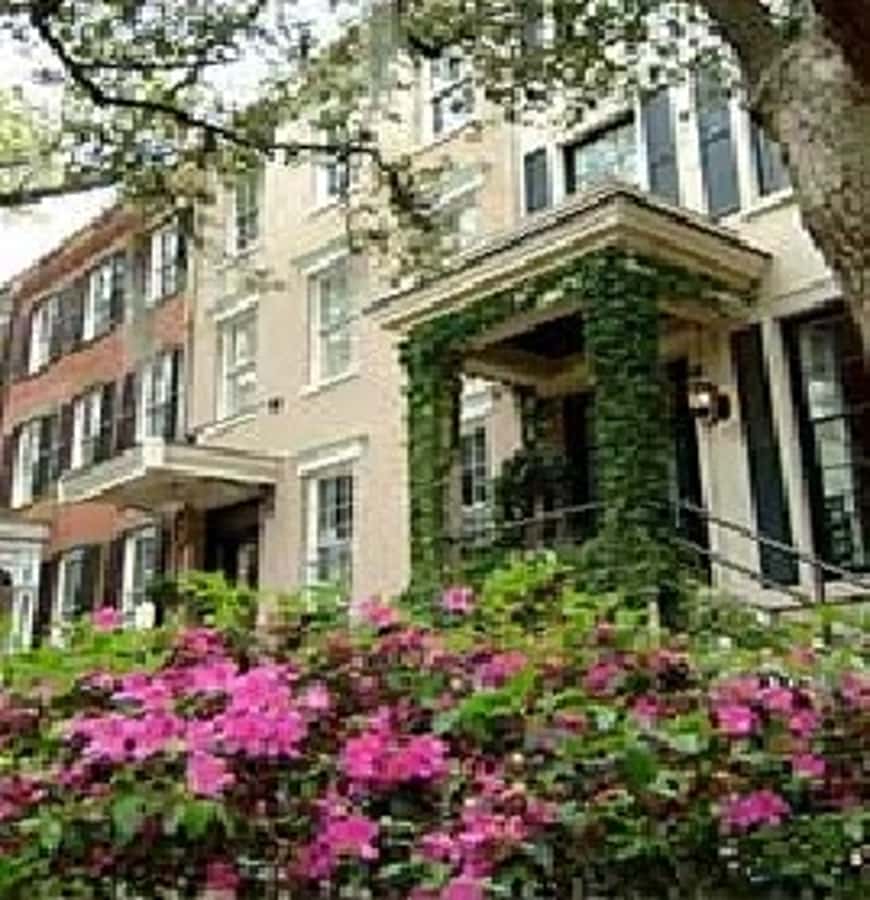
- Regency architecture at the Owens-Thomas House, often treated as a top example in the U.S.
- Green Meldrim House, tied to General William T. Sherman’s Civil War-era visit
- A guided explanation of how Savannah domestic life changed across the 18th and 19th centuries
- A clear end point near Juliette Gordon Low Birthplace, built in 1818 and recognized as Savannah’s first National Historic Landmark
- A question-friendly format that goes beyond facts into preservation and daily life
Savannah’s Homes Walk: a focused, walkable way to read the city
Savannah is one of those places where the street feels like a museum—if you know what to look for. This walk is built for that exact mindset. Instead of chasing every famous landmark, you stay in the Historic District and concentrate on domestic architecture: what people built, why they built it, and how the look of a neighborhood grew into a cultural identity.
The tour is also short enough to fit into a morning. At 2 hours long, you’re not stuck all day in the heat or the crowds. You get a guided route, a simple rhythm (walk, pause, look closer, learn), and a finish near another big historical anchor.
You can also read our reviews of more historical tours in Savannah



Meeting at Warren Square: the practical starting line

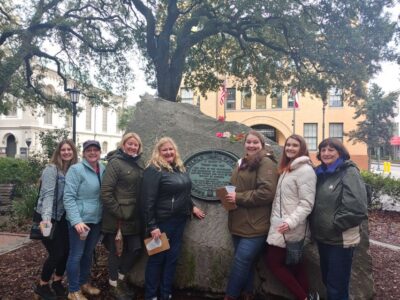
Your meeting point is Warren Square between Congress Street and Habersham Street. That matters more than it sounds, because Savannah’s Historic District is full of squares, streets that look similar, and lots of tour groups operating at once.
Here’s my advice: arrive a few minutes early and confirm you’re at the exact square and the right side of the street. One past hiccup in the meeting spot was tied to outdated information, so you’ll save yourself stress by being early and looking for your group rather than wandering.
Once you start, you’ll be walking through one of the city’s most beautiful historic neighborhoods. The route is designed to keep the architecture theme tight, so you’re not constantly wondering whether you’re still on the right story.
The Owens-Thomas House stop: regency details you can actually see

One of the headline highlights is the Owens-Thomas House, described as a premier example of Regency architecture in the United States. Even if you don’t know architectural styles by name, this is the kind of stop where a good guide makes the differences readable.
What you should expect at a stop like this is simple but rewarding:
- You’ll be pointed toward specific design cues your eye might miss on your own.
- You’ll connect style to time period and the idea of gentility and leisure that Savannah became known for.
- You’ll get a clearer sense of how certain aesthetics signaled status—long before Instagram made houses into backdrops.
This is one of those moments where the tour earns its price. A great architecture walk doesn’t just show you buildings; it teaches you to see patterns. Regency details are the kind of pattern you can learn quickly, then spot later on your own in town.
Green Meldrim House: Sherman-era history tied to a home
Another major stop is the Green Meldrim House, where General William T. Sherman was a Civil War guest. This is where the tour does something useful: it connects national events to a specific physical place, a house, and a neighborhood street.
Even if you already know the Civil War at a headline level, this kind of localized story is different. Instead of learning history as dates in a book, you’re learning it as something that happened around real walls and real communities.
A good guide will likely point out the bridge between architecture and story here—how homes were used, how people moved through social networks, and how historic narratives get anchored to buildings. If your guide adds context on who lived nearby and what daily life looked like, you’ll walk away with a much stronger mental map of the era.
Two centuries of domestic life: why materials and layout matter
The tour doesn’t just toss names at you. It’s designed to explain how Savannah’s domestic dwellings developed over roughly two centuries. That means you’ll spend time with the broader idea of what “home” meant in different periods—how families lived, how spaces functioned, and how the city’s look evolved.
One theme that shows up clearly in feedback: guides often talk about building materials and what they meant for historic homes through the 1800s and early 1900s. I love this part because it turns a pretty façade into something you can interpret. You start thinking like a builder and a resident, not just a visitor taking photos.
You might also hear discussion of historic preservation, including how Savannah pioneered that approach back in the mid-1950s. That isn’t trivia. It helps explain why the Historic District still feels so intact today—and why preservation matters if you want to experience history rather than theory.






Juliette Gordon Low Birthplace: a smart finish near 1818
The walk ends in the vicinity of the Juliette Gordon Low Birthplace. The birthplace was built in 1818, and it’s been consecrated as Savannah’s first National Historic Landmark to honor the founder of the Girl Scouts.
This finish is well-chosen for two reasons. First, it keeps the tour grounded in architecture and the historic district, not random add-ons. Second, it adds a different kind of American history—youth organization and civic legacy—so you’re not only stuck in warfare and elites.
If you time it well, you can use the end point to keep exploring nearby on your own. Even if you don’t add anything extra, you’ll still leave with a clearer sense of how Savannah’s historic sites connect to multiple layers of American life.
Price and value: what $30 buys you in real terms
At $30 per person for 2 hours, this walk sits in a reasonable range for a guided Historic District experience. The value isn’t in fancy transportation or a long day. It’s in the teaching.
You get:
- A guide native to Savannah
- A better understanding of 18th- and 19th-century life in the South
- The chance to ask questions
- A preservation-minded view of why these buildings survived
If you’ve ever tried to walk Savannah alone, you know the problem: you see a lot, but it can feel like random prettiness. This tour gives you a framework—what to notice and why it mattered.
Guide style matters: great storytelling, plus a couple caution flags
This kind of tour lives or dies by the guide. Most of the strong praise points to guides who are personable, animated, and strong on dates and city history. One guide named William was described as entertaining and also strong on dates and how the city connects over time. Another praised guide pointed out detailed discussion of historic building materials.
There’s also a caution flag worth respecting. One past review criticized a guide named Brad for a confusing jump between the Revolutionary War era and Civil War material, plus an unprofessional, contentious pro-Confederate framing. The review specifically mentioned statements that were difficult to hear about enslaved people being treated like family. I’m not going to soften that. If this topic matters to you—how it’s framed matters—choose your tour with care and go in knowing you may get stories presented with different emphases.
Bottom line: most experiences sound like smart, friendly guidance. But history is emotional, and the way a guide handles it can change how the tour feels.
What the walking is like: timing, pace, and comfort
This is a walking tour, and the instructions are straightforward: wear comfortable shoes and dress for the weather. Walks depart in light rain, so bring an umbrella or rain coat if conditions look questionable.
In summer, plan for heat and humidity. Bring water. Savannah summers can take the fun out of any outdoor plan fast, and a 2-hour walk still counts as real time in real weather.
Also, because it’s centered in the Historic District, you’ll likely be spending more time stopping and looking than power-walking. That’s good for learning, but it means your footwear matters.
Who should book this homes walk?
This tour fits best if you want:
- A short guided option that still feels meaningful
- A focus on houses and architectural details rather than a general sightseeing loop
- A way to learn about everyday domestic life across time, not just big political moments
It’s also a good pick for first-timers. Savannah’s scale can be disorienting, but an architecture-focused route gives you structure. And if you like questions, the format is set up for them.
If you’re the type who hates any detour into supernatural stories, note that one past experience said the tour leaned a bit into ghost or haunted material. That doesn’t sound like the core theme, but it suggests you might hear a few spooky side stories depending on your guide’s style.
Should you book the Savannah History and Architecture Homes Walk?
Yes, I’d book it if you want a smart, walkable way to understand why Savannah’s Historic District looks the way it does—and you’re excited to learn from a guide who’s from the city.
I’d think twice if:
- You need strict, linear storytelling with no curveballs in the timeline
- You strongly prefer that sensitive Civil War and slavery topics be handled with care in a particular way
To choose well, show up at Warren Square (between Congress and Habersham) on time, bring water and a rain plan, and go in ready to look closely. When the guide clicks, you’ll come away with an ability to “read” Savannah’s homes—after the tour, you’ll notice details you would’ve walked past.
FAQ
How long is the Savannah History and Architecture Homes Walk?
The tour lasts 2 hours.
How much does it cost?
It’s $30 per person.
Where is the meeting point?
You meet at Warren Square between Congress Street and Habersham Street.
What weather should I plan for?
Walks depart in light rain, so bring an umbrella or rain coat if weather looks questionable. Wear comfortable walking shoes and dress for the weather. In summer, bring water due to heat and humidity.
Is transportation included?
No, transportation is not included.
What historic places will I see?
You’ll see major historic homes including the Owens-Thomas House and the Green Meldrim House. The walk ends near the Juliette Gordon Low Birthplace.