REVIEW · SAVANNAH
Tombs of Savannah: Bonaventure Cemetery Experience
Book on GetYourGuide →Operated by Junket · Bookable on GetYourGuide
Marble, moss, and stranger-than-fiction love stories await. In this 90-minute Bonaventure Cemetery walk, I like how the guide turns the grounds into a living museum, with Little Gracie as the kind of stop you’ll remember long after you leave Savannah. You also get real context for the Mercer family and other notable lives, so the monuments stop being random rocks and start reading like biographies.
One thing to plan around: this is a walking tour and it is not suitable for people with mobility impairments, plus it runs rain or shine. If you’re expecting an easy stroll with minimal stops, keep your expectations tuned to a shaded, story-packed walk.
In This Review
- Key things to look for on this Bonaventure tour
- Bonaventure Cemetery, where every marker has a story
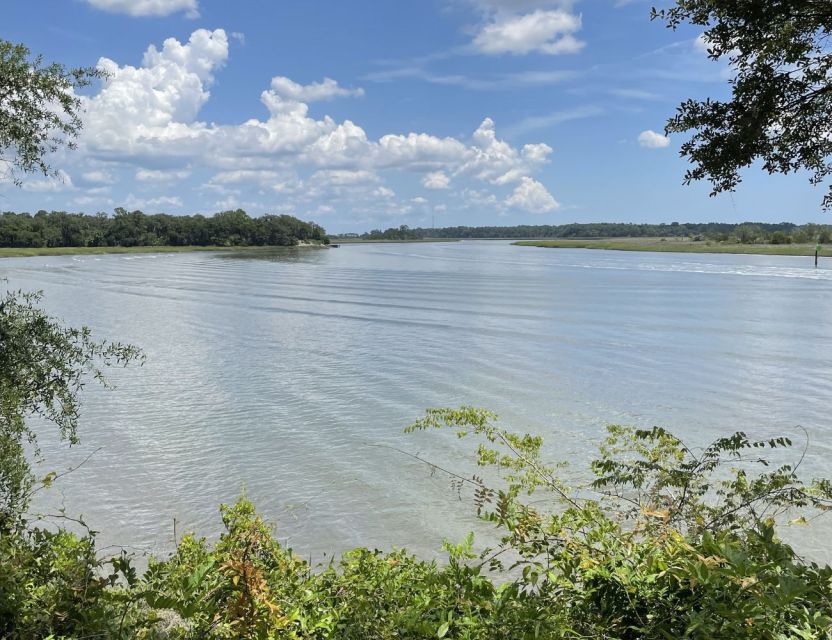
- Meeting point near the Wilmington River: start with easy logistics
- The heart of the walk: shaded paths and stone tributes
- Stop #1 that people talk about: Little Gracie’s marble presence
- The Mercer family and the meaning behind “famous”
- Victorian views of death: how beliefs shape what you see
- What you learn from tombs, obelisks, and plaques
- Dean’s tour style: why the guide really changes the experience
- Pacing and photo expectations in 90 minutes
- Who should book this Bonaventure Cemetery tour
- Should you book Tombs of Savannah?
- FAQ
- How much does the Tombs of Savannah: Bonaventure Cemetery Experience cost?
- How long is the tour?
- Where do I meet the guide?
- Does this tour run in bad weather?
- Is the tour suitable for people with mobility impairments?
- Is video recording allowed during the tour?
- What should I bring?
- What’s the cancellation policy?
Key things to look for on this Bonaventure tour
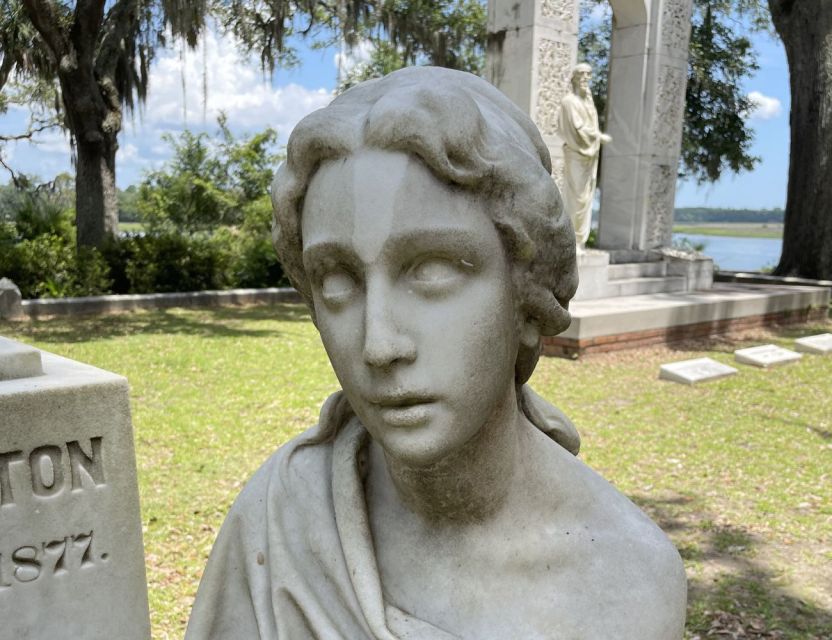
- Little Gracie: the famous marble tribute connected to a child’s burial and the grief that shaped what visitors still see
- Tombs, obelisks, and plaques: not just sights, but explanations of why each one was made and what it meant
- Victorian-era death ideas: superstitions and beliefs about mourning that help you interpret the symbolism
- The Wilmington River direction: the tour’s path keeps the setting feeling cohesive, like you’re walking a timed route
- Family legacies: the Mercer family and other influential names that help you understand who mattered here and why
Bonaventure Cemetery, where every marker has a story
Bonaventure Cemetery is the kind of place where you quickly learn that a cemetery isn’t only about death. It’s about people trying to shape memory—through stone, poetry-like inscriptions, and dramatic designs that were meant to be seen.
What makes this tour work well is the tone. You’re walking among monuments under towering oaks, with Spanish moss hanging like stage curtains. The guide helps you notice details you’d usually miss on your own: the mood of a tribute, the layout of a tomb cluster, and the way certain plaques sit so they read almost like public statements.
At 90 minutes, you won’t cover every corner of the cemetery (it’s a big 100-acre site), but you will hit the high-impact areas where the stories feel strongest. That’s the practical payoff: you get direction, pacing, and meaning without turning your afternoon into guesswork.
You can also read our reviews of more tours and experiences in Savannah.



Meeting point near the Wilmington River: start with easy logistics
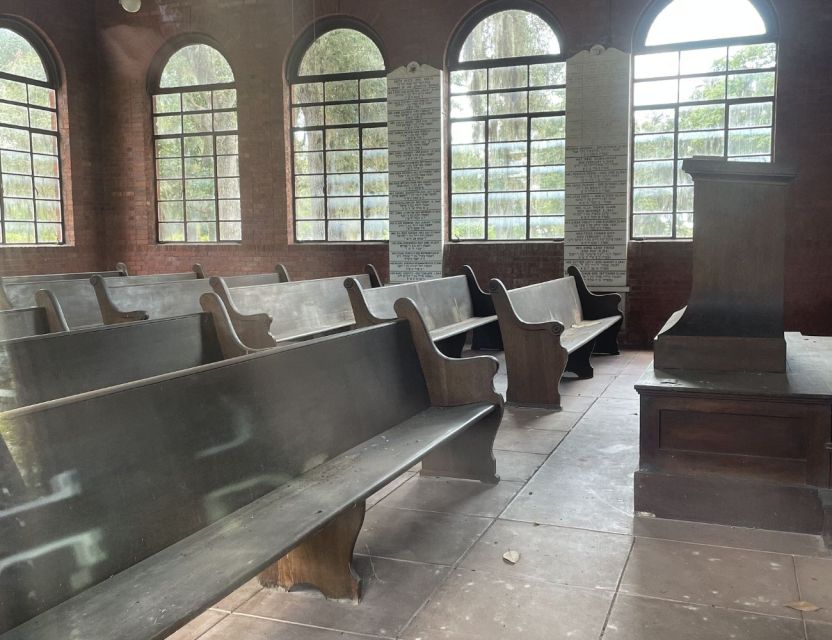
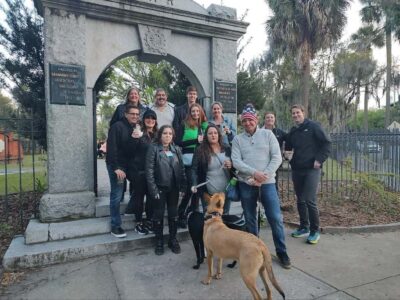
You’ll meet your guide at the Bonaventure Cemetery Visitor Parking Area near the Wilmington River. Your guide wears a Junket t-shirt, so it’s usually straightforward to spot them without a scavenger hunt.
This start matters more than you’d think. Bonaventure can feel like a maze—especially when the shade, moss, and winding paths make everything look similar. Having a set meeting point and a live guide means you’re not wandering around trying to figure out what’s worth the detour.
Also, this experience includes an express security check. If you hate waiting around, that little time-saver helps. Then you’re off, moving onto worn paths that feel like stepping out of modern Savannah and into a slower rhythm.
The heart of the walk: shaded paths and stone tributes
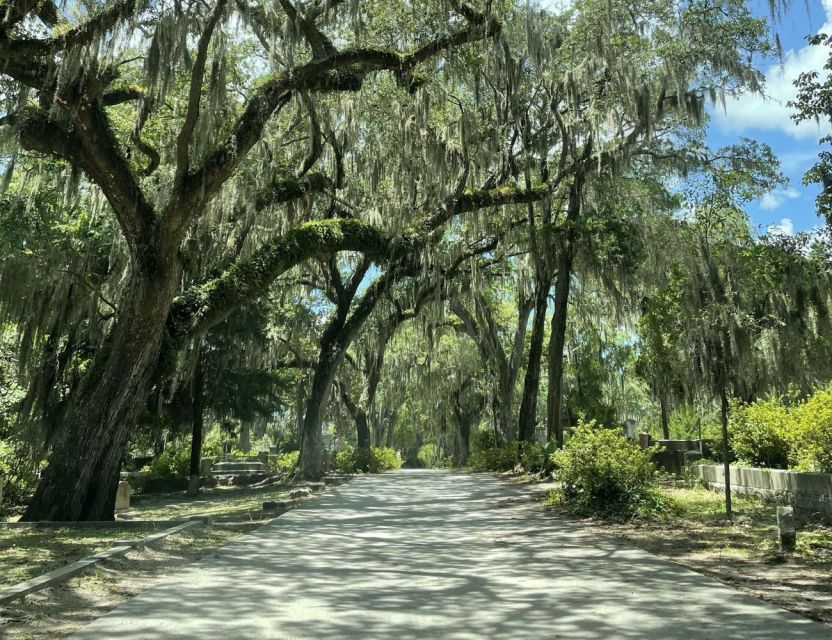
The core of your experience is a guided walking tour through one of the most-photographed cemeteries in the world. That phrase gets used a lot, but here it actually makes sense: the scenery and monuments are built for viewing. Trees frame the views. Marble and granite catch the light. And the monuments are close enough that you can read the design language without needing a telescope.
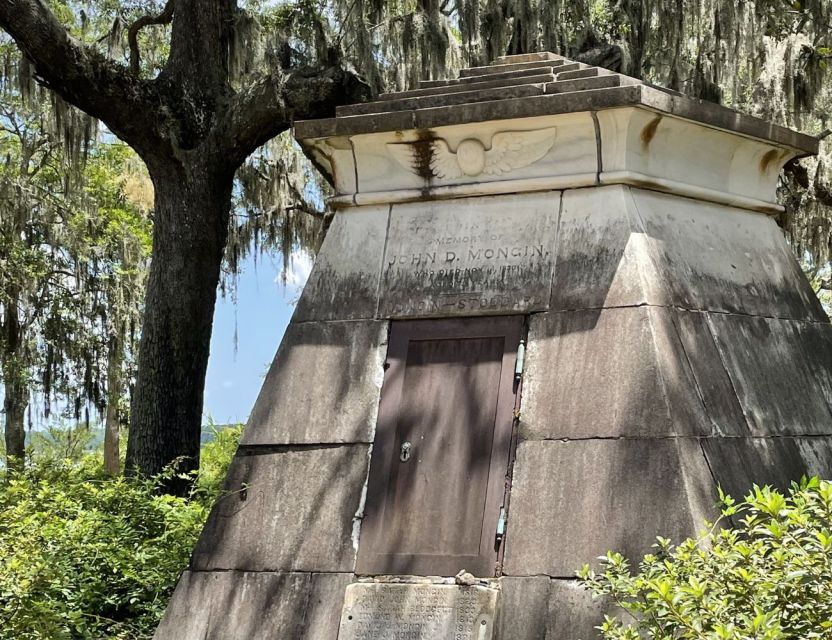
Your guide leads you through tombs, obelisks, and plaques—so you’re not only looking at major names, you’re also learning how these pieces work as messages. For example, obelisks aren’t just tall shapes; they’re part of the 19th-century attempt to signal status, memory, and permanence. Plaques can read like condensed biographies, giving you names and dates but also hints about the emotional story behind them.
If you like history that feels human, this is your sweet spot. The tour doesn’t treat the cemetery like a sterile archive. It treats it like a collection of individual losses and the choices families made to honor loved ones.
Stop #1 that people talk about: Little Gracie’s marble presence
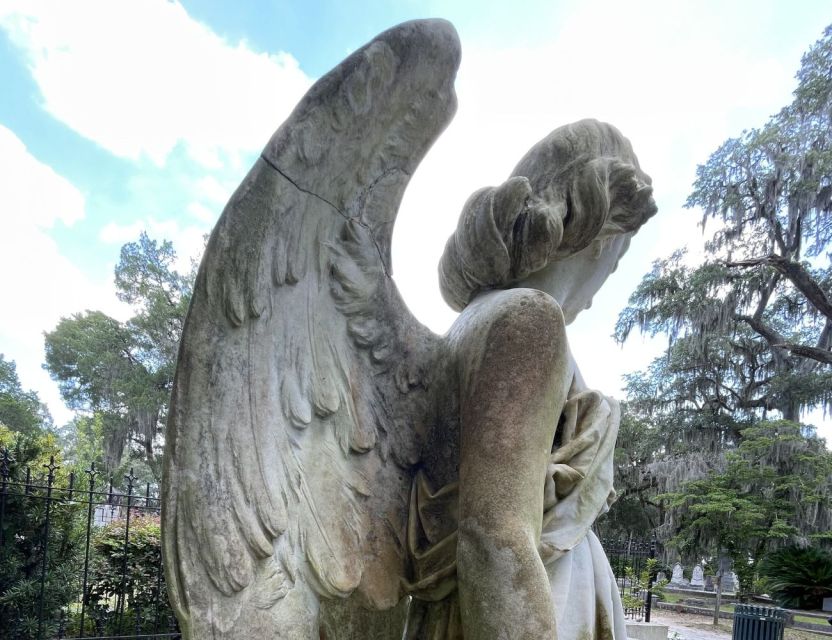
One of the most famous points on the tour is Little Gracie. This marble statue resembles a six-year-old child who was buried in the cemetery so closely her parents couldn’t bear to look at it. That single story does a lot of work.
First, it explains why the statue is so emotionally powerful. You’re not just seeing a cute figure in stone; you’re seeing grief made visible, in a form meant to be encountered again and again. Second, it gives you permission to slow down. Instead of just taking a photo and moving on, you start reading the monument like a message: how it was made, what it suggests, and why it became part of Bonaventure’s legend.
This is also where the guide’s approach matters. A good guide doesn’t only name the attraction—they help you understand why it matters. If your guide points out how the tribute’s details amplify the story, you’ll feel the difference between surface sightseeing and real interpretation.
The Mercer family and the meaning behind “famous”
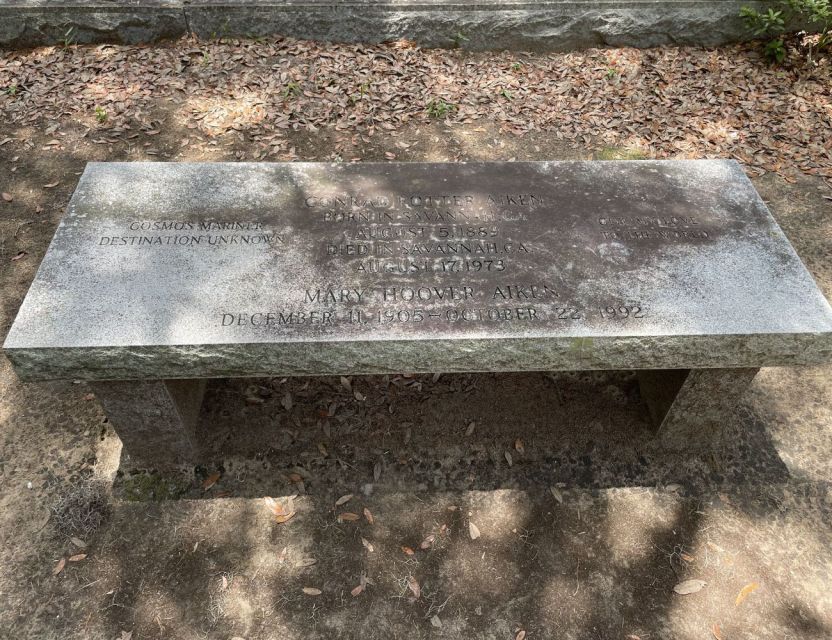
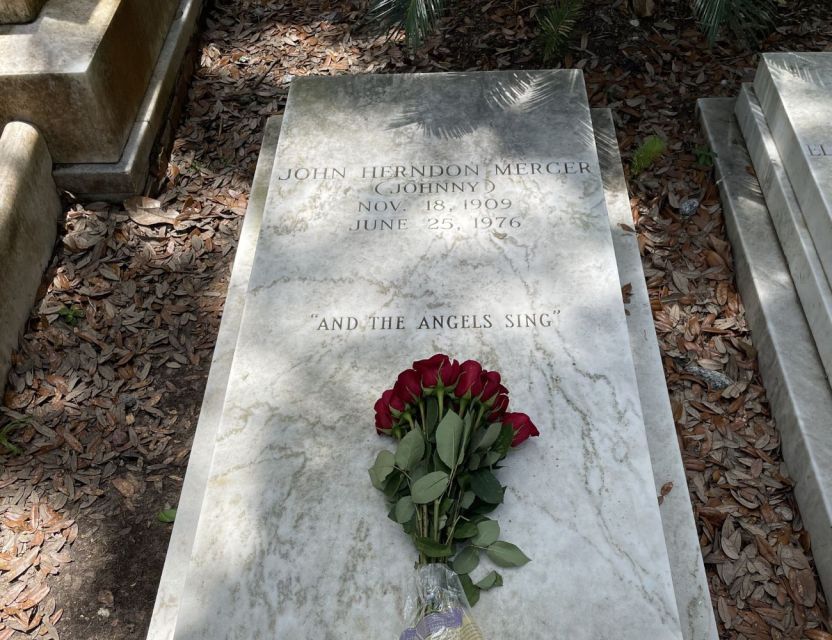
Another highlight is learning about influential individuals and families now immortalized in Bonaventure. The Mercer family is specifically mentioned as one of the names tied to the cemetery’s story.
For you, the value here is perspective. When you know a family’s place in the area’s social fabric, the tomb becomes more than a physical object. You begin to understand why certain monuments were built to last—and why the cemetery became a kind of public record of status, relationships, and memory.
This matters especially if you’ve ever walked past a historic site feeling like you’re missing the plot. Here, the guide stitches together the plot. You learn who these people were, how the cemetery reflected their world, and how their legacies are still visible in the design choices around them.




Victorian views of death: how beliefs shape what you see
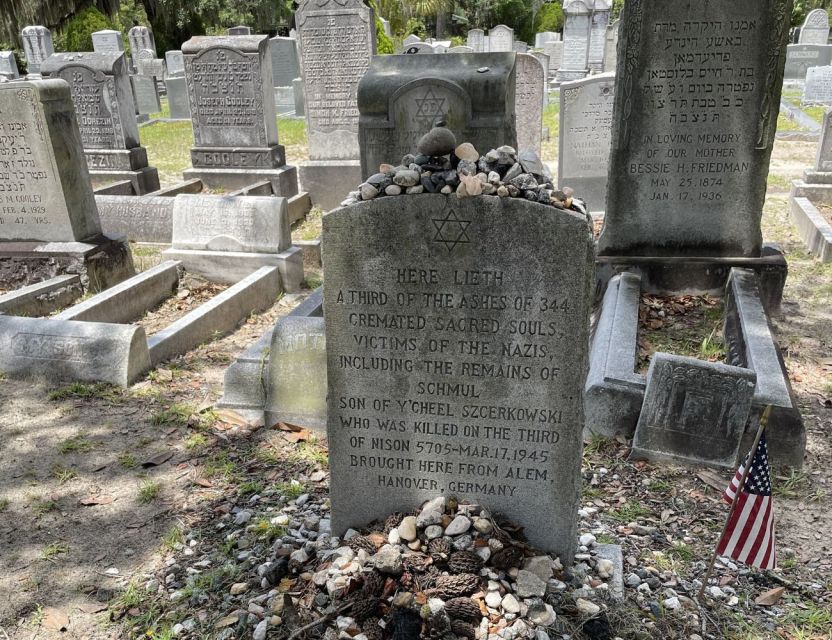
Bonaventure isn’t just old; it’s steeped in 19th-century thinking. A key part of this tour is the chance to hear about Victorian-era views and superstitions around death. That theme changes how you read the grounds.
When you understand period beliefs about mourning, you start noticing patterns: how family grief is expressed through symbolism, how the cemetery’s design supports a certain kind of reverence, and why stone markers could feel both personal and performative at the same time. In other words, you stop asking only what’s there and start asking what the makers believed, feared, or hoped.
This also helps with pacing. If you feel a little uneasy walking among tombs, the guide’s context can make it feel less like creepy tourism and more like cultural history. You’re learning why these choices were made, not just staring at a spooky setting.
What you learn from tombs, obelisks, and plaques
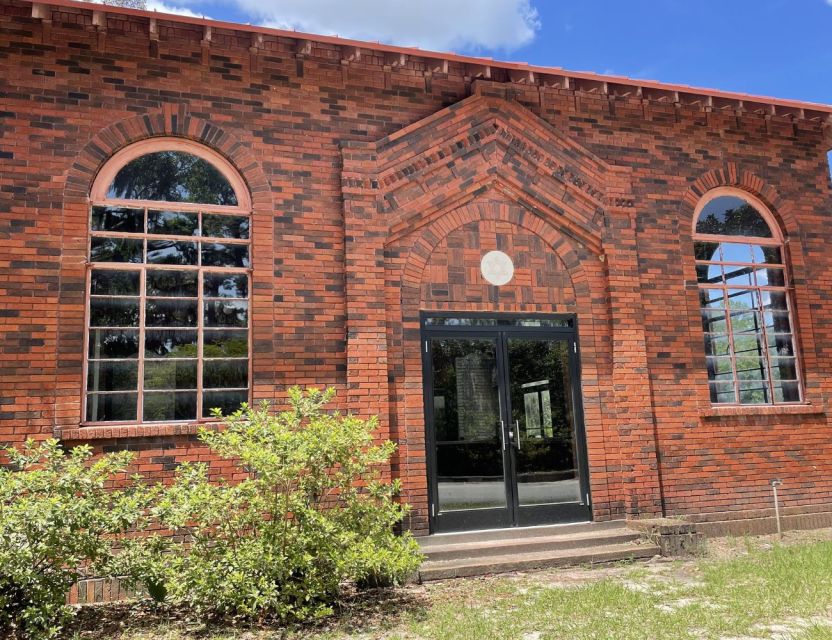
A lot of cemetery tours become either too general or too focused on one famous name. This one does a better job balancing the spotlight with the supporting cast.
Here’s what you’re working with:
- Tombs: often feel the most intimate, because they’re tied to specific people and family groupings
- Obelisks: provide dramatic vertical emphasis and signal lasting commemoration
- Plaques: act like mini-bios, sometimes with inscriptions that offer clues about relationships and how people wanted to be remembered
The benefit for you is that you get a toolkit. After you hear how the guide reads these objects, you can look at other markers and understand them too, even if they aren’t part of the main story thread of the 90 minutes.
It’s also a great way to avoid the “I saw it, but I didn’t get it” problem that can happen when you explore alone. A guide gives you an interpretive lens—and that’s where value shows up.
Dean’s tour style: why the guide really changes the experience
The live guide experience is a major reason this tour gets strong praise. One guide name you may encounter is Dean, who is described as both knowledgeable and friendly, with a fun presentation and the ability to answer questions quickly.
That matters because cemeteries are made of details, and details need explanation. If the guide can point out what to look for and then respond when you ask something like what a particular monument symbolizes or why a tribute is designed a certain way, the whole walk clicks into place.
Dean’s style is also a good example of how humor can work here without disrespecting the subject. A lighter tone can help you stay present in the stories, instead of getting lost in the mood of the setting.
Pacing and photo expectations in 90 minutes
With 90 minutes, you’re getting a curated highlight route, not a long, slow amble through every plot. That’s a good thing if you want impact without fatigue.
Still, you’ll be on worn paths in shaded areas, under towering oaks and Spanish moss. Bring comfortable shoes, because the comfort level of your feet determines your attention. If you’re stepping carefully to avoid slipping or pain, you’ll miss the small details on the stones and plaques.
A few practical notes from your planning side:
- This tour takes place rain or shine, so dress for the weather, not just the forecast
- Not allowed: video recording (you can still enjoy the views, just keep it non-video)
- Smoking, alcohol, and drugs are not allowed
If you want to maximize the experience, go in with a flexible mindset. You’re not only touring; you’re being guided through stories built into the cemetery’s design.
Who should book this Bonaventure Cemetery tour
This is a strong fit if you like guided history, cemetery art, and storytelling that connects monuments to real people. It also works well if you’ve visited other historic sites but want something that feels emotional and specific, not just dates and names.
It may be less suitable if:
- you have mobility concerns (the tour is not suitable for people with mobility impairments)
- you want a short, easy, strictly sightseeing walk with minimal context
- you strongly dislike the subject matter of death and mourning, even when it’s handled as cultural history
Price-wise, at $37 per person for a shared guided walk, you’re paying for interpretation and time-saving structure. You could probably wander Bonaventure on your own, but you’d miss the “why this looks this way” part that turns a cemetery into a story you can actually follow.
Should you book Tombs of Savannah?
If you’re curious about Victorian death customs, want the famous stops explained (especially Little Gracie), and like monuments that make you ask questions, I think you should book. This tour gives you a short window to see standout markers and understand the symbolism behind tombs, obelisks, and plaques—without turning your visit into homework.
The decision comes down to two practical points: you’re comfortable walking for about 90 minutes, and you’re okay with rain or shine. If that fits, you’ll likely find this a thoughtful, human-scale way to experience one of Savannah’s most photographed cemeteries.
FAQ
How much does the Tombs of Savannah: Bonaventure Cemetery Experience cost?
The price is $37 per person.
How long is the tour?
The duration is 90 minutes.
Where do I meet the guide?
Meet at the Bonaventure Cemetery Visitor Parking Area near the Wilmington River. The guide will be wearing a Junket t-shirt.
Does this tour run in bad weather?
Yes, the tour takes place rain or shine.
Is the tour suitable for people with mobility impairments?
No, it is not suitable for people with mobility impairments.
Is video recording allowed during the tour?
No, video recording is not allowed.
What should I bring?
Bring comfortable shoes and weather-appropriate clothing.
What’s the cancellation policy?
Free cancellation is available up to 24 hours in advance for a full refund.