REVIEW · SAVANNAH
Savannah: Historic District Foodie Walking Tour
Book on GetYourGuide →Operated by Savannah Taste Experience Food Tours · Bookable on GetYourGuide
Savannah tastes better with a plan. On this 3-hour Historic District walk, I love the lunch-sized food tastings and how the guide connects dishes to the city’s stormy past.
This is also a great way to see the streets and architecture up close, then wrap near City Market. One thing to plan around: gluten-free, dairy-free, and vegan tastings aren’t available, even though the tour can often work with other needs.
6 stops, lunch portions, and no food fatigue
Guide storytelling built into the walking time
Historic streets plus practical local eating tips
Allergy and diet help for some types, not all
Ends near City Market so you can keep exploring
In This Review
- Why a Savannah Historic District Food Walk Makes Sense
- From Savannah Taste Experience to City Market: The Route Rhythm
- Six Tastings That Add Up to Lunch (and Often More Fun Than You Expect)
- What Makes the Guide Part So Memorable
- Savannah’s Food Culture Through the Lens of Its Past
- Diet Needs, Allergies, and the Limits You Should Know
- Pace, Comfort, and What to Bring in Real Life
- Alcohol on the Tour: Optional, but There Are Rules
- Price and Value: Is $96 Fair for 3 Hours?
- Who Should Book This Tour—and Who Might Skip It
- Should You Book This Savannah Foodie Walking Tour?
- FAQ
- Where do I meet for the tour?
- How long is the Savannah Historic District Foodie Walking Tour?
- How much does it cost?
- What’s included in the ticket price?
- Are alcoholic drinks included?
- Is the tour wheelchair accessible?
- What food allergy or diet accommodations are available?
- What dietary needs can the tour not accommodate?
- What should I bring, and is it kid-friendly?
Why a Savannah Historic District Food Walk Makes Sense
Savannah can feel like a choose-your-own-adventure city. You can wander for hours, sure, but you’ll miss details when you don’t know where to look. This tour gives you a simple framework: walk the Historic District, stop for tastings, then get the story behind what you’re seeing.
The best part is how the food and history work together. The guide doesn’t treat the tastings like a random buffet line. Instead, you get quick context—why certain foods show up here, what the city’s past did to its culture, and how local neighborhoods shaped the way people eat.
And the format is built for real eating. The tastings are described as equivalent to a lunch portion, and most of the chatter around the tour centers on people leaving full but not stuffed. That matters. If you’ve ever done a “snack tour” that turns into constant grazing, you’ll appreciate that this one is paced like a meal.
From Savannah Taste Experience to City Market: The Route Rhythm
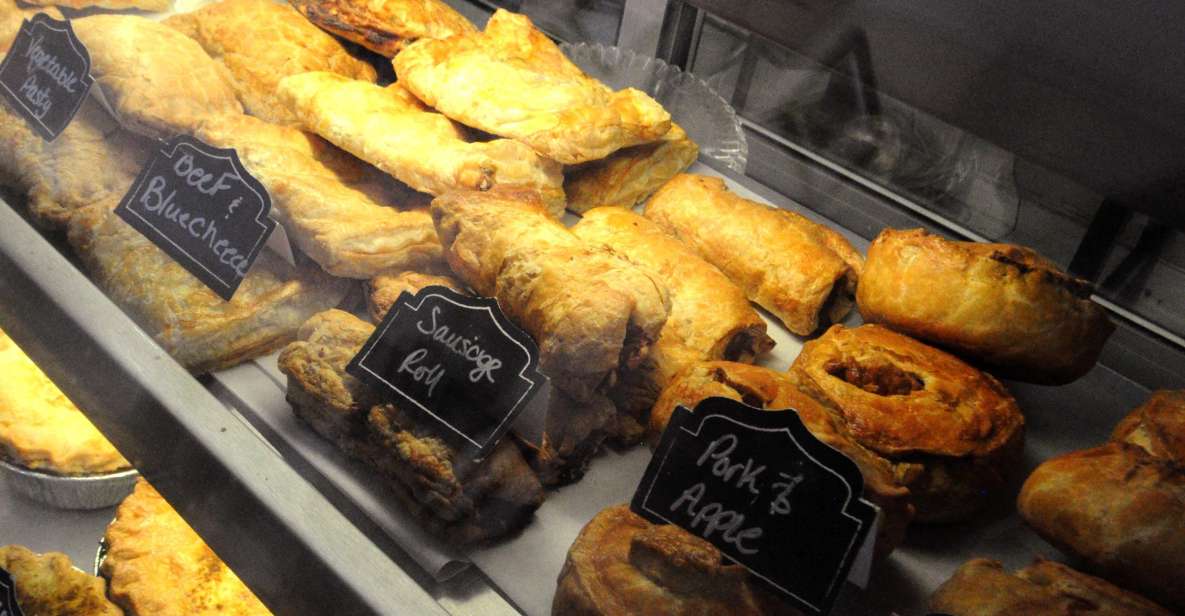
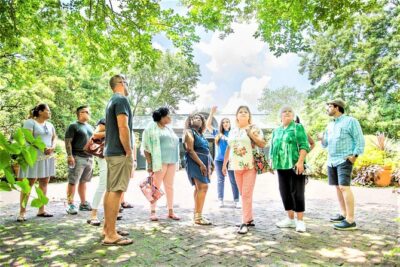
You meet at the Savannah Taste Experience Marketplace, then head out on foot through the Historic District. You’re not stuck in a bus window or waiting around between stops. The tour is designed to keep moving at a comfortable pace, with enough time at each location to actually enjoy what you’re served.
It also ends in a smart place. The tour finishes near City Market, in that restored area of warehouses and storefronts next to Ellis Square. That gives you options right away: you can browse, grab a photo, or continue with your own food plan without needing a second ride.
This kind of ending is a practical win for first-timers. By the time you reach City Market, you’ve already learned how the neighborhood layout works and you’ll be better at picking what to do next—especially if you’re staying close by.
You can also read our reviews of more walking tours in Savannah



Six Tastings That Add Up to Lunch (and Often More Fun Than You Expect)
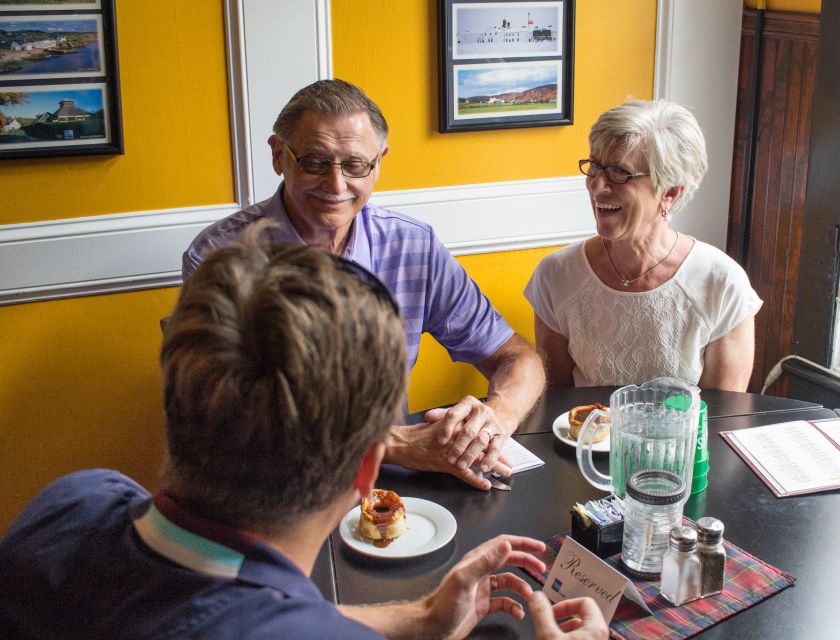
The tour includes food tastings at 6 different stops—specialty restaurants and food shops in the heart of the Historic District. The “why” behind this is simple: you get a broad sampling of Savannah flavors without having to read menus in a rush or commit to one full entrée too early.
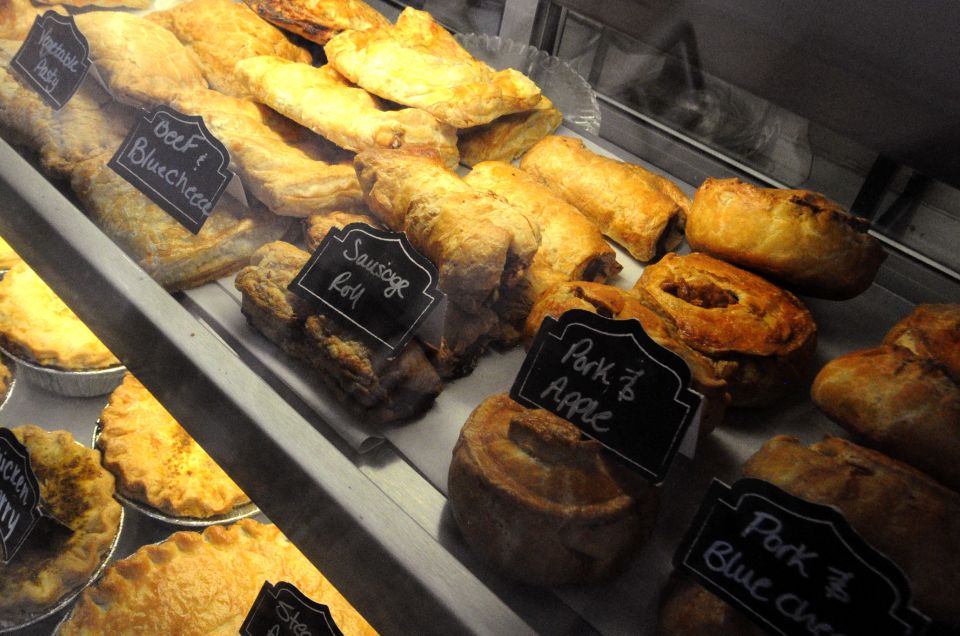
You can also expect the tastings to be the kind you’d normally hesitate to order alone. A lot of people come away happy they tried items that weren’t their usual go-to. In the same tour route, I’ve seen tastings mentioned like shrimp and grits and sausage rolls, which signals that you’re likely to get both classic Southern comfort and some handheld convenience.
Sweet stuff is on the radar too, even if it’s not always included as part of the scheduled tastings. One highlight people talked about was buying Leopold’s ice cream at the tour store if they wanted it after the sampling. That’s a nice backup plan when you’re hoping for dessert but you’re not sure how the included stops will land.
A practical detail: you’ll want to eat breakfast first. The tour notes that the tastings are equivalent to lunch, so arriving hungry is fine—but arriving empty can tip you into “over-ordering later” mode.
What Makes the Guide Part So Memorable
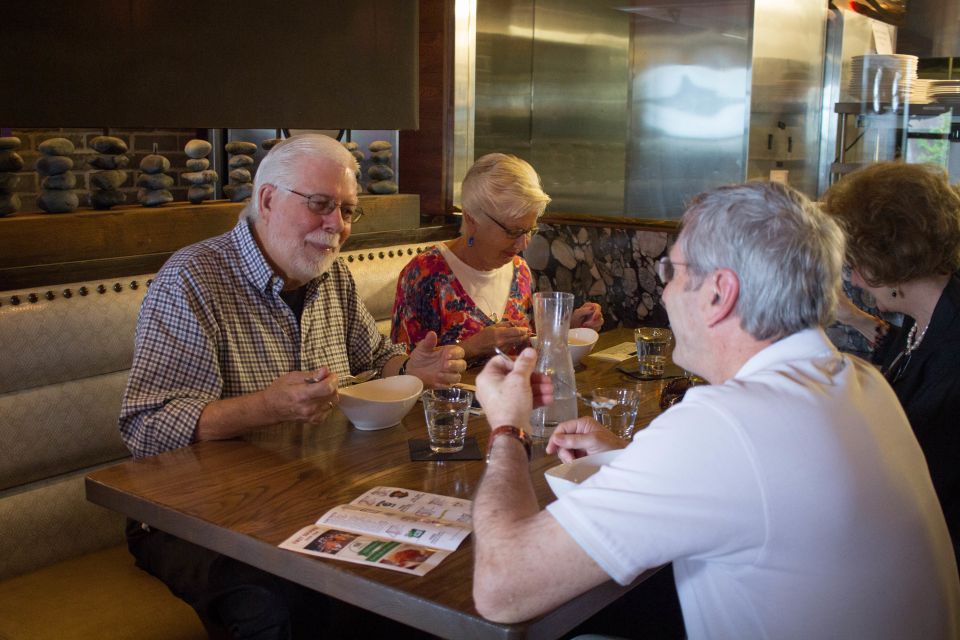
The guide isn’t a background role here. You’re walking, standing, and listening for about 3 hours, and the story is built into that time. That’s why people consistently mention the guide’s energy, humor, and the way they handle the group.
Some guides you’ll hear named include Beck, Demi, Shannon, Cindy, Gail, Joshua, Charlene, Gayle, Tori, Victoria, Sally, Lisa, Brendon, and Gladys. While the names change by schedule, the common thread is how they connect food to place—architecture, neighborhoods, and the city’s turbulent past.
You’ll also get practical guidance that’s more useful than generic “where to eat” lists. People mention that the guide often points out places you’d walk past without stopping. And because the tastings are tied to those locations, the advice feels grounded instead of theoretical.
One more small but meaningful detail: many guides pay attention to comfort during the walk—pausing and adjusting so people can keep up and enjoy the food. In hot months, that kind of pacing can make or break a walking tour.
Savannah’s Food Culture Through the Lens of Its Past
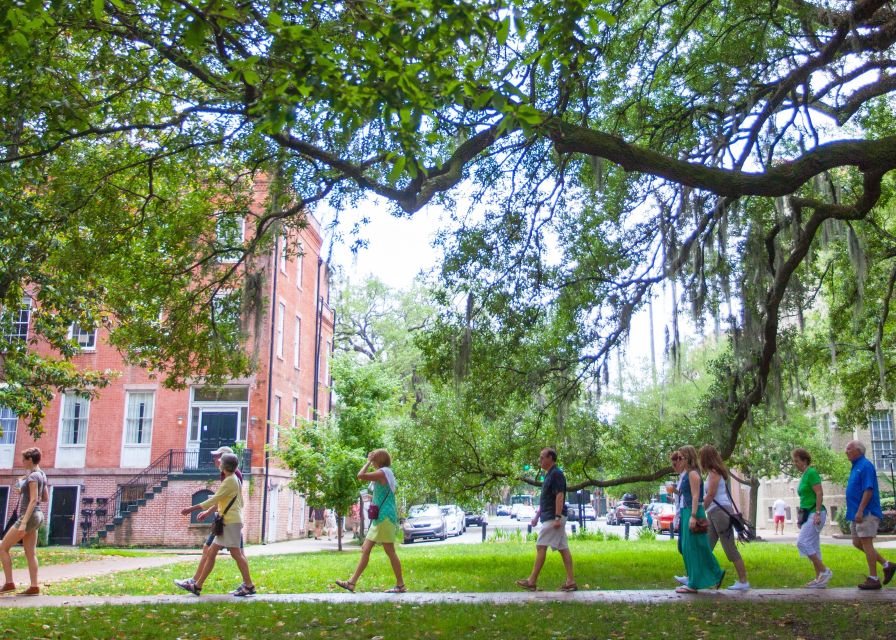
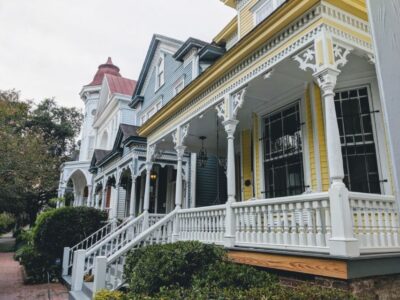
Savannah’s Historic District is beautiful, but it isn’t only pretty photos. The tour frames what you’re seeing as part of a bigger story—how the city developed, how conflict shaped its culture, and why the food scene leans into certain traditions.
This is where you’ll get the most “I didn’t know that” moments. The guide stories are often described as including buildings, people, and interesting backstories tied directly to what’s on your plate. If you like history but hate lectures, this is the sweet spot: short narrative bits attached to a real stop you’re standing in.
Think of it as learning while you move. You’re not trying to remember a museum label. You’re building a mental map—what the streets look like, what the neighborhood felt like, and why certain flavors make sense here.
Diet Needs, Allergies, and the Limits You Should Know
This tour can work for several needs, but it has clear limits. You can request accommodations for seafood allergies, nut allergies, pescatarian options, and vegetarian options at most locations. That’s a strong starting point if you’re trying to eat safely.
However, the tour also states it cannot provide gluten-free, dairy-free, or vegan alternative tastings on the tour route. If any of those apply to you, you’ll need a different plan for your meals.
My advice: if you have allergies or a diet preference, tell the provider at booking time. The tour information explicitly says to advise at the time of booking if required. Waiting until you arrive usually leaves less flexibility.
One other note worth taking seriously: the tour can involve standing, walking, and listening for 3 hours. If your mobility is limited or you need frequent seating breaks, plan around that.
You can also read our reviews of more tours and experiences in Savannah




Pace, Comfort, and What to Bring in Real Life
This is a walking tour, and the tour itself calls it moderate walking. You’ll want comfortable shoes you can stand in, not just shoes that look fine in a photo. Bring water too—Savannah heat and humidity can be sneaky, and you’ll be moving between stops.
Duration is 3 hours, and the pacing is meant to keep the tastings and storytelling flowing without dragging. Still, do treat it like a real afternoon outing: your feet will notice it.
Good news if you’re managing mobility needs: the tour is wheelchair accessible. Also, the information says it’s designed to be accessible, but the walking and listening portion still matters, so it’s worth evaluating whether it matches your comfort level for a full 3 hours.
Alcohol on the Tour: Optional, but There Are Rules
Alcohol isn’t included in the price. You can buy it if you want, but there are strict rules. Any alcoholic beverages must be in a plastic or aluminum cup, and only 1 alcoholic beverage at a time is allowed. Failure to follow the cup rules can result in a fine by Savannah Police.
If you’re trying to keep things simple, decide on your drink early and follow the cup requirement. This also helps you stay on pace with the group, because the tour is structured around stops and walking.
Price and Value: Is $96 Fair for 3 Hours?
At $96 per person for 3 hours, this isn’t a budget snack. But it also isn’t just paying for walking and a few bites. You’re getting a local guide, a route map, and tastings at 6 stops.
The tour states the tastings are equivalent to a lunch portion, and multiple people mention they didn’t end the tour feeling stuffed. That points to portion planning that’s actually thoughtful—part of the value is how the tour avoids the “eat too much too fast” problem.
So the value calculation looks like this: you’re paying for coordination, guided storytelling, and multiple food stops that you likely wouldn’t line up efficiently on your own. If you like food and you want history mixed in without a museum ticket feeling, the price starts to look reasonable.
Also note: alcoholic drinks are separate. If you tend to drink on tours, your total spend will rise—if not, you can keep it aligned with the base ticket.
Who Should Book This Tour—and Who Might Skip It
I’d book this tour if you’re:
- Visiting Savannah for the first time and want a fast way to understand the Historic District
- A foodie who likes trying multiple places instead of picking just one restaurant
- Interested in architecture and the city’s complicated past, told in bite-size pieces
- Traveling solo or in a mixed-age group and want an easy social activity (the tour has worked well for people from 19 to 83 in group outings)
I’d think twice if you:
- Need gluten-free, dairy-free, or vegan tastings (not available on this tour)
- Have trouble with standing and walking for 3 hours
- Are traveling with children under 10 (the tour notes it may not be appropriate for all children and is not suitable for kids under 10)
Should You Book This Savannah Foodie Walking Tour?
If you want a smart mix of Savannah flavor + street-level history, this is the kind of tour that tends to pay off fast. The guide-driven storytelling and the lunch-sized tastings are the core reasons people come away happy—and they’re exactly what you should look for if you’re trying to make your limited time count.
Book it if your diet needs are within the stated accommodations, you can handle moderate walking, and you’re okay skipping gluten-free/dairy-free/vegan swaps.
FAQ
Where do I meet for the tour?
You meet at the Savannah Taste Experience Marketplace.
How long is the Savannah Historic District Foodie Walking Tour?
The tour lasts 3 hours.
How much does it cost?
The price is $96 per person.
What’s included in the ticket price?
It includes a local guide, food tastings at 6 stops, and a map of the tour route.
Are alcoholic drinks included?
No. Alcoholic beverages are available for purchase, but they follow specific rules if you choose to order.
Is the tour wheelchair accessible?
Yes, the tour is wheelchair accessible.
What food allergy or diet accommodations are available?
The tour can provide accommodations for seafood allergies, nut allergies, pescatarian, and vegetarian options at most locations.
What dietary needs can the tour not accommodate?
The tour cannot provide gluten-free, dairy-free, or vegan alternative tastings.
What should I bring, and is it kid-friendly?
Bring comfortable shoes and water. The tour involves standing, walking, and listening for 3 hours, and it is not suitable for children under 10.