REVIEW · SAVANNAH
Savannah: African American History Tour
Book on GetYourGuide →Operated by Kelly Tours - Gray Line Savannah · Bookable on GetYourGuide
Savannah history hits hard on this 3-hour ride. You’ll look at familiar downtown landmarks and then re-learn what they were for, from River Street warehouses to where auctions happened in Johnson Square. The tour also stops at major historic sites like the Green-Meldrim House and the Second African Baptist Church, so the story doesn’t stay abstract.
What I like most is the way the narration connects the city’s layout to the forced labor that built it—West African peoples brought to Savannah, ships and cotton exports, and the mechanics of slavery made visible in the places you can actually stand today. Second, the guide spotlighted in many accounts, Ms. Pat (Sister Pat), is praised for truth-forward storytelling that uses emotion, music, and performance moments to help you understand what people went through, not just memorize dates.
One possible drawback: this is not the right choice if you have mobility limits. Even though it’s a bus tour, you should expect outdoor stops and extended standing at points along the route.
In This Review
- Key Things That Make This Tour Worth It
- What This Tour Covers in Plain Human Terms
- River Street: Where Shipping Power Meets Forced Labor
- The Squares: Taylor Square and Franklin Square as Story Anchors
- Johnson Square and Auction-Site Reality
- Green-Meldrim House and Second African Baptist Church
- Storytelling Style: Ms. Pat, Music, and the Cost of Silence
- How the 3-Hour Format Works (And Where You’ll Feel It)
- Price and Value: Is $68 Reasonable for What You Get?
- Practical Tips Before You Go
- Who Should Book This Tour (And Who Might Prefer Another Style)
- Should You Book Savannah’s African American History Tour?
- FAQ
- How long is the Savannah African American History Tour?
- What’s included in the price?
- How much does it cost?
- What should I bring?
- Is the tour suitable for people with mobility impairments?
- Can I cancel, and what’s the payment option?
Key Things That Make This Tour Worth It
- A focused 3-hour format that packs a slavery-to-freedom story into a tight downtown loop
- Landmark stops you can verify on foot, including River Street and multiple squares
- Named historic sites, such as Green-Meldrim House and Second African Baptist Church
- Concrete details about the slave trade economy, including cotton shipped toward the UK and how storage/holding worked
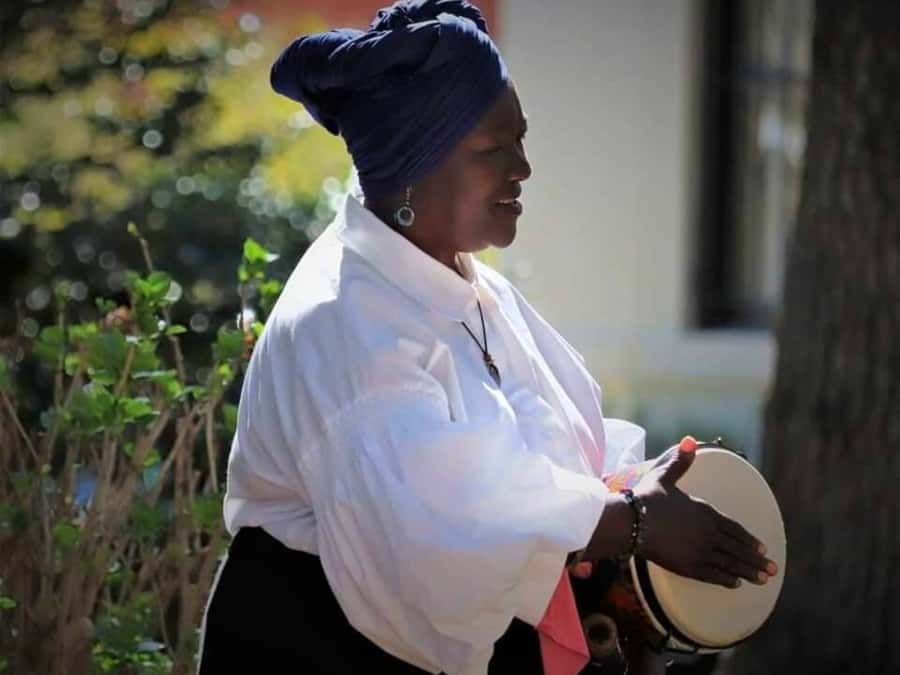
- A standout guide style, with accounts praising Ms. Pat/Sister Pat’s clarity, passion, and music/performance elements
- It asks for more than sightseeing, nudging you toward reflection, truth, and reconciliation themes
What This Tour Covers in Plain Human Terms
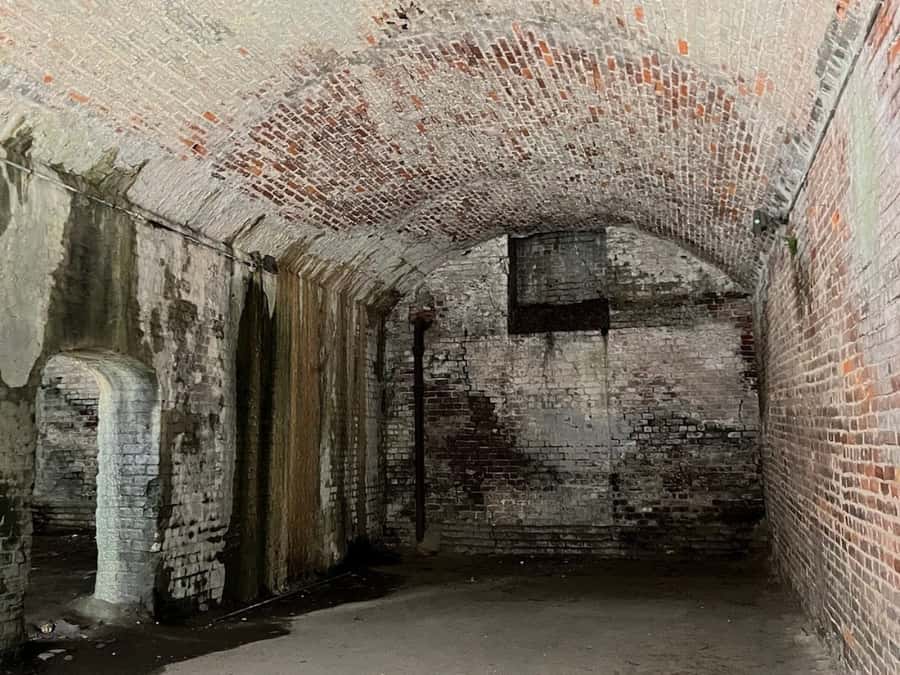
This tour is built around a hard timeline: the coast of Savannah during antebellum years, when enslaved Africans were forced into labor and the port economy grew from that system. Instead of treating slavery like a distant chapter, you’ll see how it was woven into everyday city space—warehouses, squares, shipping, and institutions.
You’ll also get a perspective shift on Savannah itself. Many cities use plaques and a tidy, surface-level “heritage” tone. Here, the story is specific: West African tribes and the people taken from their homes, the labor used to build and run the port, and how enslavers profited through trade and shipping.
And you’re not left alone with facts. In the accounts I reviewed, the guide approach is described as emotionally direct, with music and performance used to help you feel the stakes. That matters because when slavery is reduced to numbers, it becomes easy to shrug. When it’s tied to real locations and real family trauma, the meaning sticks.
You can also read our reviews of more historical tours in Savannah



River Street: Where Shipping Power Meets Forced Labor
River Street isn’t just a pretty waterfront stop. On this tour, it becomes a lens on the industrial side of slavery: the warehouses along the river were tied to the work enslaved people did and the goods they helped move.
You’ll learn about how West African peoples were brought into Savannah for slave labor and used in the construction and operation that supported the port. The narration also connects the city’s export engine to what was being shipped out—cotton routed toward the United Kingdom—and how storage functioned like a system designed to control people as well as commodities.
A detail I’d highlight for your expectations: the tour doesn’t only say there were warehouses. It points you toward the idea of holding areas and confinement practices—described as storage that resembles old slaveholding bins—so you can start noticing the physical logic of control in the built environment.
This is also where you’ll probably feel the most “okay, so this is real” moment. You’re looking at a place you might otherwise treat as leisure scenery, and the guide frames it as infrastructure for exploitation.
The Squares: Taylor Square and Franklin Square as Story Anchors
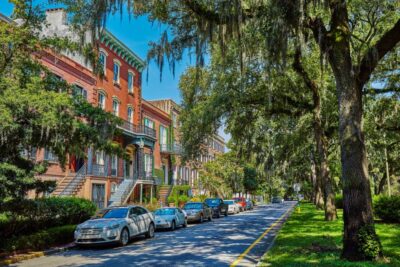
Between the waterfront stops, the tour moves through the city’s public squares—Taylor Square and Franklin Square. Squares can feel like generic landmarks when you visit with a camera and a loose plan. Here, they act like anchor points where the city’s power structure becomes easier to track.
What makes these stops valuable is the way they help you understand the relationship between “public space” and private cruelty. Savannah’s architecture and layout can look orderly and historic, but the story you hear reframes that order: public streets and civic-looking spaces were connected to domination, punishment, and commerce.
In a tour like this, the biggest win is that you start seeing patterns. You begin to connect port labor with public policy, and you start noticing how control wasn’t only in houses or plantations—it was in the city’s centers too.
If you’re someone who likes context, this section is where it pays off. The guide helps you hold both truths at once: Savannah as a beautiful destination and Savannah as a place where slavery ran the show.
Johnson Square and Auction-Site Reality
Johnson Square is the stop that tends to hit hardest. This is where the tour places enslaved people being auctioned, and it’s not handled as a vague mention. The narration frames the mechanics: people treated like property, families torn apart, and a system that profited from that forced separation.
Why this stop matters: auctions weren’t just cruelty in an emotional sense. They were part of an economic process. Once you see that, the rest of the city’s story sharpens. Warehouses, shipping, and wealth-building aren’t separate threads. They connect right here.
I’d also suggest that you come ready to feel a bit uncomfortable. A tour like this works best when you let the story challenge your first impressions. If you want a purely “easy walk with scenery” Savannah experience, this part will feel like a door shutting.
Green-Meldrim House and Second African Baptist Church
The tour includes two historic stops that broaden the story beyond the marketplace and the port. The Green-Meldrim House and the Second African Baptist Church are crucial because they add institutional and community dimensions to what slavery and survival looked like.
The Green-Meldrim House stop helps you connect the antebellum era’s domestic and social structures to the broader system of exploitation powering wealth and influence. This isn’t about turning a mansion into a trophy. It’s about understanding that the comfort you might associate with a historic home often sat atop forced labor.
Then the church stop brings the story toward faith, community, and continuity. In accounts of the tour, the guide emphasizes the African experience and contributions to Savannah and America, and the church is the kind of place where that message naturally lands. You’re reminded that enslaved people and their descendants didn’t only endure—they organized, worshipped, preserved identity, and built community under extreme constraints.





Storytelling Style: Ms. Pat, Music, and the Cost of Silence
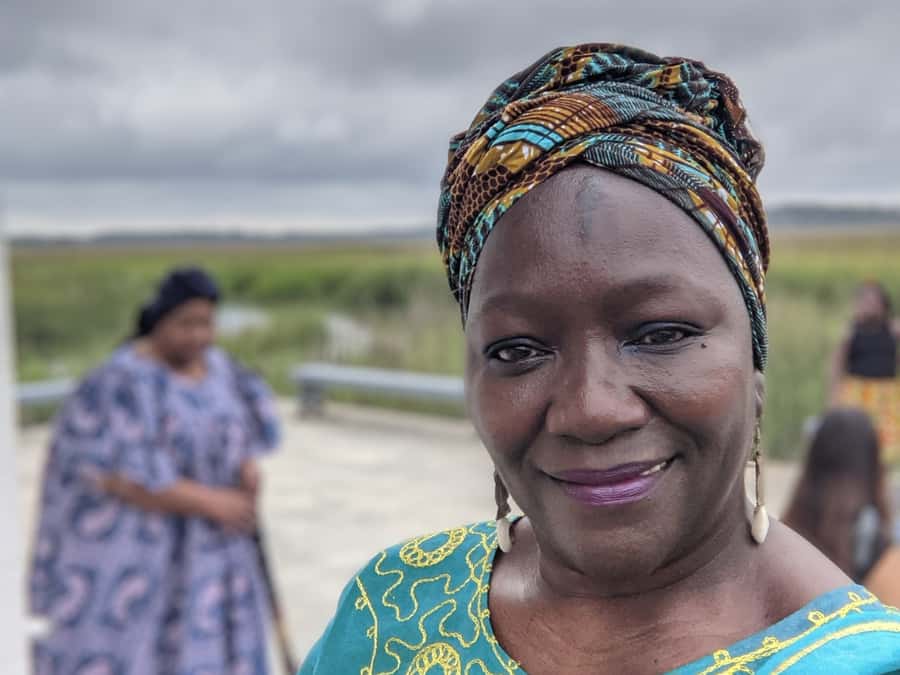
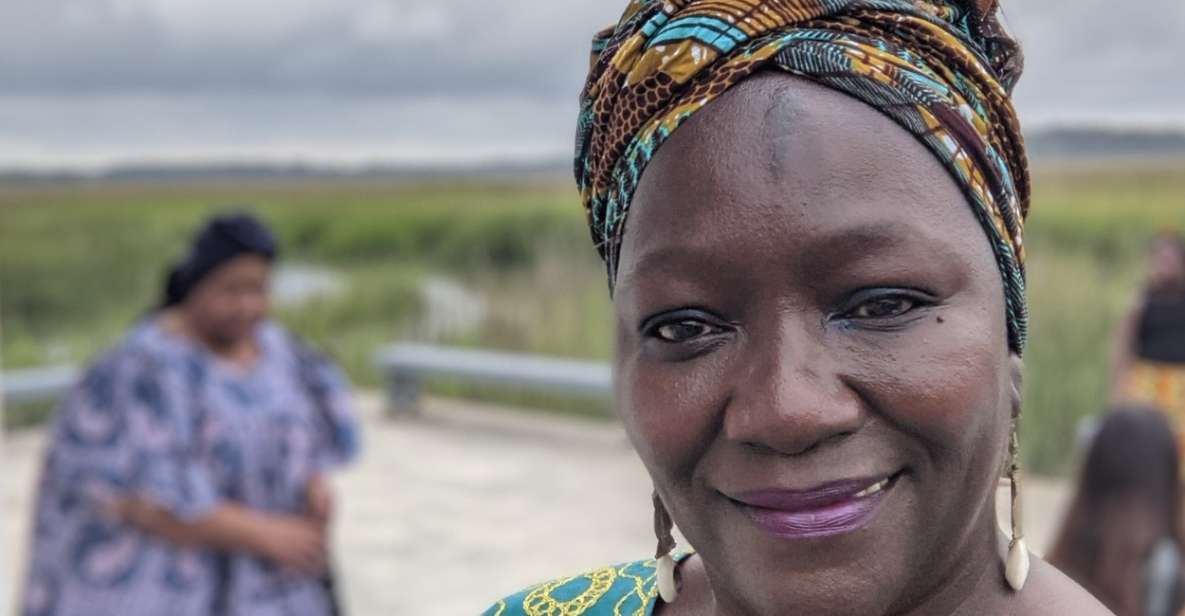
A big reason this tour scores so well is the guide presence. In many of the accounts, Ms. Pat (Sister Pat) is singled out for being passionate, vivid, and clear—someone who brings the story to life with honesty and context, not just dates. There’s also praise for the guide encouraging open-hearted thinking and reflection, with themes of truth and reconciliation and healing.
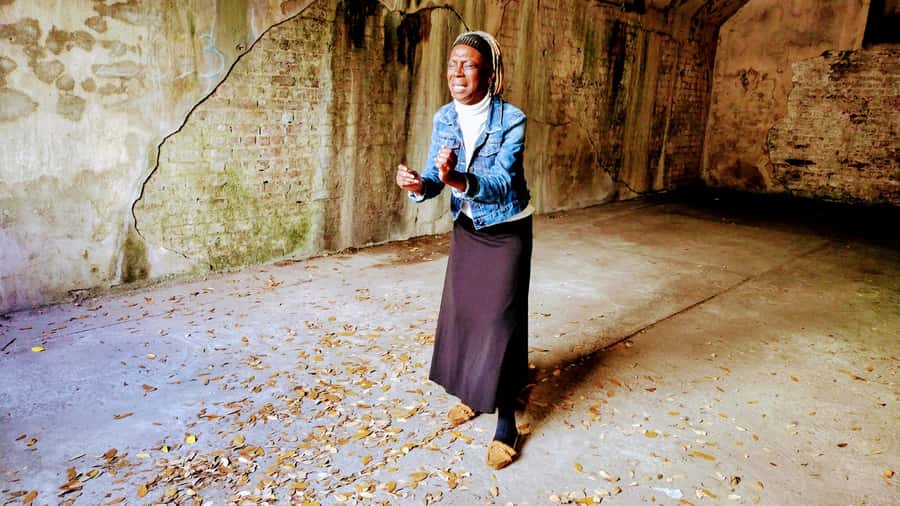
You’ll also hear mention of a performance element. One account notes the guide’s costumes and a small performance, while another describes using music and pictures to tell the history. The lesson for you: expect the narration to use more than verbal facts. It uses tone, rhythm, and pacing to keep you engaged while the content stays heavy.
One more thing I’d file under “expectation management.” Not every storytelling style will land for every person. In one account, the guide was described as spending more time on the present-day experience of descendants than on the strict history timeline the visitor wanted. That’s not necessarily a flaw—it’s a choice about emphasis. Just know that this tour can lean toward meaning and ongoing impact, not only period details.
How the 3-Hour Format Works (And Where You’ll Feel It)
This is a 3-hour bus-and-stops experience with live narration in English, designed to cover multiple downtown points without making you plan your own route.
Even with the bus element, the stop-by-stop nature matters. One account described standing at each site for a long stretch. So I’d plan on that. If you’re comfortable standing for periods outdoors, you’ll enjoy the slow, attentive pacing. If standing is hard, you’ll likely feel frustrated.
Also, the tour is not recommended for people with mobility impairments. The key takeaway for you is simple: don’t assume bus time makes it fully accessible. The experience depends on visiting and lingering at sites.
Price and Value: Is $68 Reasonable for What You Get?
At $68 per person for about 3 hours, the value comes from two areas: guided interpretation and transportation. The tour includes a bus tour plus a tour guide with live narration, so you’re paying for someone to connect the dots between locations, trade details, and human impact.
Is it “worth it”? If your goal is to learn what Savannah landmarks meant in the slavery era—specifically forced labor, port shipping, cotton exports, and auctioning—then yes. This isn’t priced like a quick photo stop, and it isn’t trying to be. It’s designed to help you read the city with a new set of lenses.
If you’re the type who already knows the general outline and just wants a casual city walk, this price may feel steep. But if you want a guided, truth-forward explanation tied to real stops like River Street, Johnson Square, and the African American historic sites, $68 is a fair “pay for meaning” expense.
Practical Tips Before You Go
Because this tour includes outdoor stops and time on your feet, your comfort choices matter.
Bring:
- Comfortable shoes (real walking and standing)
- Water (you’ll want it)
- Sunscreen and sunglasses
- Weather-appropriate clothing and a layer if it’s breezy
Don’t bring:
- Alcohol and drugs
If you’re sensitive to emotionally heavy topics, I’d also recommend planning your day around it. This kind of history sticks. Give yourself time afterward to decompress and think.
Who Should Book This Tour (And Who Might Prefer Another Style)
Book this if:
- You want a guided slavery-to-freedom story tied directly to Savannah’s actual landmarks
- You like narrative history that uses music, performance, and emotion to make the facts land
- You want context that goes beyond “old buildings” into how systems worked
You might skip or choose something else if:
- You need a low-standing, fully accessible tour experience
- You want only a light, surface-level city overview
- You prefer strictly chronological storytelling with minimal emphasis on ongoing descendant impact
Should You Book Savannah’s African American History Tour?
If you want Savannah to mean something more than architecture, then yes—this is a strong choice. The combination of specific downtown sites (River Street, Taylor Square, Franklin Square, Johnson Square) and historic destinations like the Green-Meldrim House and Second African Baptist Church gives you a concrete map for understanding the forced-labor economy and its aftermath.
I especially think it’s a good fit if you value honesty and a guide style that doesn’t hide behind soft language. And because many people praise Ms. Pat (Sister Pat) for clarity, passion, and story power, you’re likely to get a tour that feels personal and well taught.
Just be realistic about the physical side: wear good shoes and expect standing at stops. If that’s a problem for you, look for a different format.
FAQ
How long is the Savannah African American History Tour?
It lasts about 3 hours.
What’s included in the price?
The tour includes a bus tour, a tour guide, and live narration.
How much does it cost?
The price is listed as $68 per person.
What should I bring?
Bring comfortable shoes, sunglasses, sunscreen, water, and comfortable, weather-appropriate clothing.
Is the tour suitable for people with mobility impairments?
No. It is not suitable for people with mobility impairments.
Can I cancel, and what’s the payment option?
You can cancel up to 24 hours in advance for a full refund. There’s also a reserve now & pay later option, so you can book without paying immediately.