REVIEW · SAVANNAH
History of Savannah Walking Tour
Book on GetYourGuide →Operated by History of Savannah Walking Tour · Bookable on GetYourGuide
Savannah’s squares make history easy to picture. This 90-minute small-group walking tour moves at a relaxed pace, so you can actually hear the stories and ask questions without feeling rushed. I like that it leans on comfort and clarity, not speed, with shaded pauses built into the route. And I really appreciate the way it connects locations to the bigger timeline, from 1733 onward.
You start at Chippewa Square with guide Sarah, then work through Savannah’s most telling stops: Colonial Park Cemetery, the Cathedral of St. John the Baptist, the Owens-Thomas House & Slave Quarters, and more. One possible drawback: you’re on foot the whole time, so comfortable walking shoes help, and you’ll want to go at a steady pace for the full hour-plus.
If you want your Savannah history with context—and not just photos—this is a smart way to get your bearings fast.
In This Review
- Key highlights that make this tour worth your time
- Why this small-group Savannah history walk feels different
- Meeting at Chippewa Square and setting up the stories
- Chippewa Square to Oglethorpe Square: how Savannah’s planned layout shapes everything
- Wright Square and the role of Tomochichi
- Oglethorpe Square and the logic behind early power
- A quick note on walking flow
- The Owens-Thomas House & Slave Quarters: hard history you can see
- Colonial Park Cemetery: learning to read the city through its memorials
- Cathedral of St. John the Baptist: Irish influence in an American setting
- Green-Meldrim House and the Civil War connection
- Jones Street and Monterey Square: turning a walk into a storyline
- Ending at Forsyth Park’s fountain: a strong finish that helps you explore next
- Price and pacing: is $35 for 90 minutes a good deal?
- Who should book this tour
- Should you book this Savannah history walking tour?
- FAQ
- Where is the meeting point?
- How long is the tour?
- How much does it cost?
- Is the tour in English?
- What’s included in the price?
- Are museum entry fees included?
- What is the cancellation policy?
Key highlights that make this tour worth your time
- Sarah leads the walk with clear, friendly explanations and room for questions
- Historic squares, not random stops: you move through the city’s planned layout and symbolism
- Shaded, relaxed pacing helps you keep up without the usual sprint-from-stop-to-stop feeling
- Major landmark stops include Colonial Park Cemetery and the Cathedral of St. John the Baptist
- Hard history is addressed directly at the Owens-Thomas House and Slave Quarters
- You finish at Forsyth Park, so you leave with a strong sense of Savannah’s design
Why this small-group Savannah history walk feels different
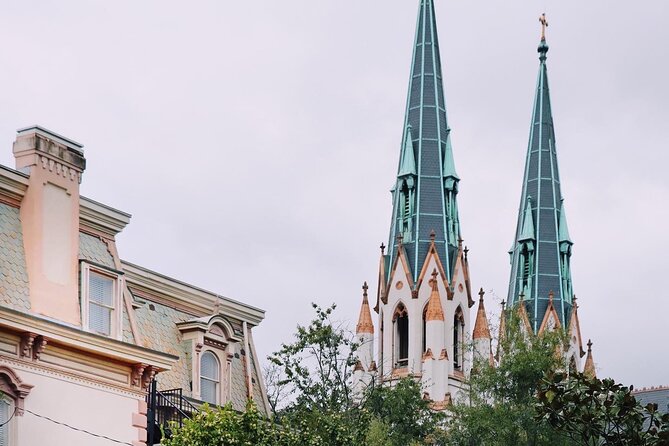
Savannah is the kind of city where the streets and squares almost act like stage sets. The clever part of this tour is that it doesn’t treat the sights like isolated photo ops. Instead, the guide ties each location to what was happening in the city—founding plans, social life, major immigrant communities, the Civil War, and the long shadow of slavery.
The small-group setup matters more than you might think. When the group is limited, the guide can slow down when you ask something. Sarah is described as cheerful, organized, and willing to answer a wide range of questions, including off-the-wall ones, which tells me you’re not stuck with a one-size-fits-all script. That makes the tour feel more like a guided walk with someone who knows how to translate the past into plain English.
And then there’s the pace. Savannah can be hot and bright, and that’s exactly when walking tours usually become a test of endurance. Here, the schedule includes shaded stops so you can catch your breath and keep listening. It also fits well with what you’re actually trying to do on a visit: learn enough to enjoy the city on your own afterward.
You can also read our reviews of more walking tours in Savannah



Meeting at Chippewa Square and setting up the stories
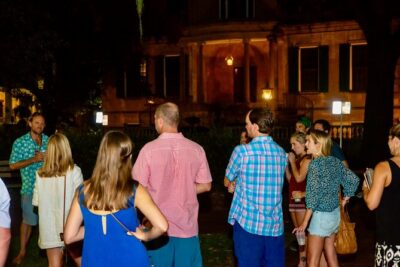
You meet in the center of Chippewa Square, right in front of the big statue, with guide Sarah wearing a tour lanyard. This is a strong start because Chippewa Square isn’t just pretty—it’s a launch point into Savannah’s founding story.
From the first stop, the tour frames Georgia’s early days through James Oglethorpe and the founding of the first city in the colony. That matters because Savannah’s layout wasn’t accidental. The square system and the way streets connect explain why certain buildings, neighborhoods, and civic spaces became so important. If you get that logic early, you’ll see the rest of the city differently once you’re on your own.
Practical tip: arrive a few minutes early so you can spot Sarah in the center of the square. Chippewa Square is a focal point, so it’s easier than hunting down a random corner.
Chippewa Square to Oglethorpe Square: how Savannah’s planned layout shapes everything
After Chippewa, the tour keeps building your understanding square by square. One of the most useful parts of a history walk is learning what to look for, and these stops give you a mental map.
Wright Square and the role of Tomochichi
At Wright Square, the story turns toward Tomochichi and the local Yamacraw people. This is one of those moments where history stops being abstract. It’s not just about English colonists arriving; it’s about the relationships that helped the colony function and grow. When you understand that early cooperation (and the balance of power around it), the later city developments make more sense.
Oglethorpe Square and the logic behind early power
At Oglethorpe Square, you’re guided through the city’s broader founding ideas—why the plan worked, and how leadership shaped early Savannah. The benefit here is cumulative. By the time you leave the cluster of squares, you’ll have a clearer sense of why Savannah’s civic and residential spaces look the way they do, and what they were designed to communicate.
You can also read our reviews of more historical tours in Savannah






A quick note on walking flow
The tour’s route is intentionally set up for a manageable rhythm. You’re not bouncing between far-apart points. You’re moving through connected historic spaces at a pace that lets the stories land.
The Owens-Thomas House & Slave Quarters: hard history you can see
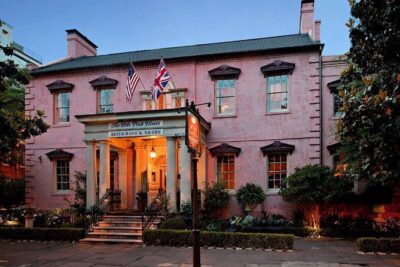
If you want Savannah history with depth, you need stops like the Owens-Thomas House & Slave Quarters. This is where the tour addresses how slavery shaped the city’s economy and daily life in the antebellum era.
This kind of stop can feel heavy, but that’s the point. The tour doesn’t treat slavery as a side note. It frames slavery as part of how Savannah worked—economically and socially—so you understand what’s behind the grandeur you see in surrounding buildings. That shift in perspective is huge: it changes what you’re admiring, and it makes your sightseeing more honest.
For you, the value is clarity. You’ll likely find it easier to connect later details you see around town—wealth, property, and the contrast between public life and private realities—because this stop gives you context before you wander.
Colonial Park Cemetery: learning to read the city through its memorials
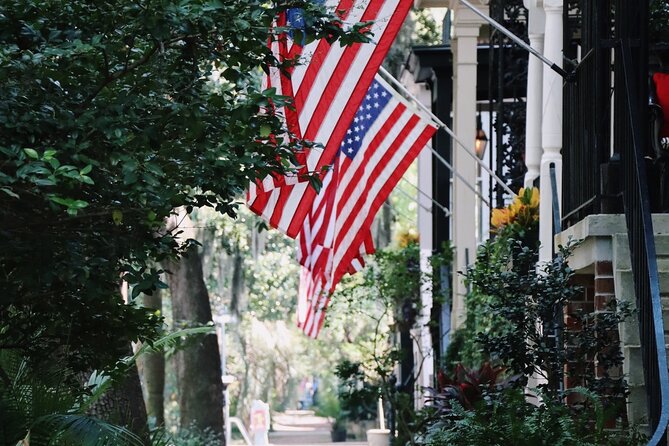
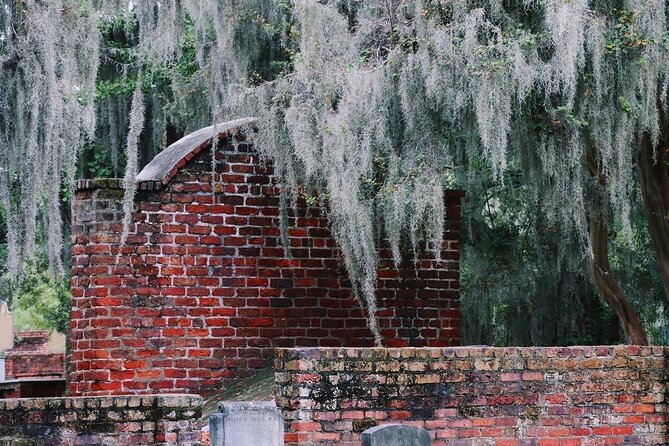
Next up is Colonial Park Cemetery, one of Savannah’s most meaningful historic sites. Here, the focus is on stories of life and death in historic Savannah, including the city’s Victorian past.
Cemeteries can be either overwhelming or oddly comforting, depending on how they’re explained. What helps about this tour is the guided storytelling angle. Instead of turning the cemetery into a list of names, the guide connects the site to how Savannah viewed memory, family, and community. That’s where you often start noticing patterns—how people commemorated status and relationships, and how the city carried its identity forward through generations.
It’s also a practical breather in the middle of the walking time. You get a slower, more reflective stop that doesn’t require museum entry. That makes it ideal for a 90-minute tour where you want history, not another line.
Cathedral of St. John the Baptist: Irish influence in an American setting
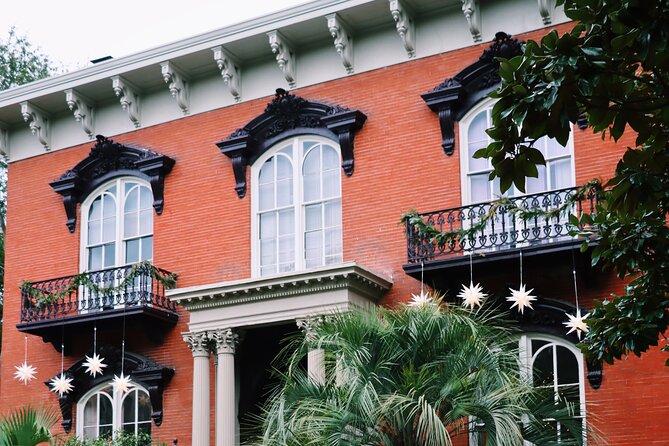
At the Cathedral of St. John the Baptist, you get a different thread: the influence of Savannah’s Irish immigrant community.
This stop matters because it shows that Savannah’s story isn’t only about political founders and major national events. It’s also about the daily building of communities—faith, neighborhoods, and cultural networks. Once you hear how different groups shaped Savannah, the city becomes more layered than the postcards.
If you’re the type who likes your history organized by themes—immigration, civic planning, religion, and economy—this is one of the stops that will click for you. It also gives you an additional lens when you walk the streets later and notice similar patterns of architecture and institutions.
Green-Meldrim House and the Civil War connection
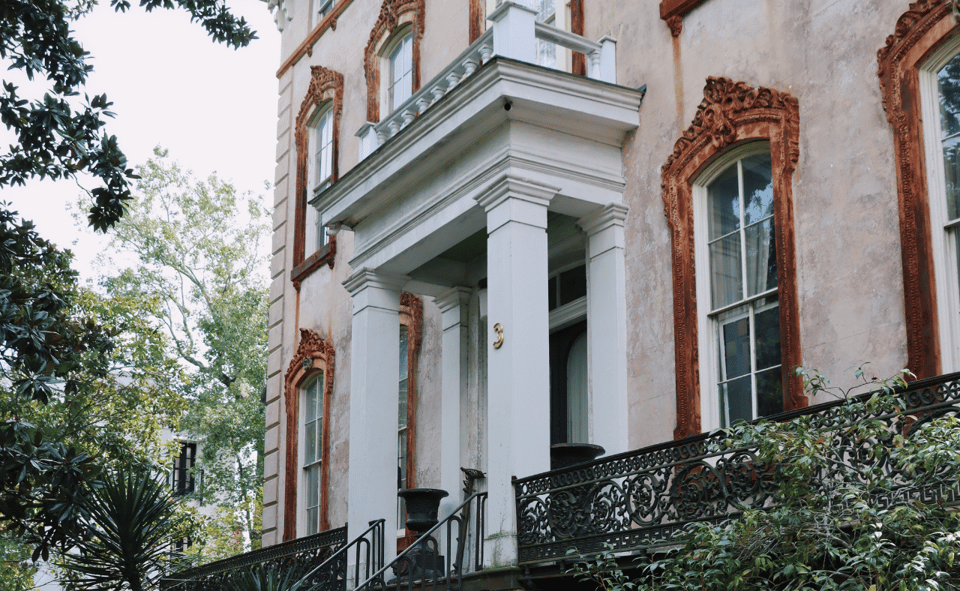
The tour then moves to Green-Meldrim House, where you learn how Savannah played a strategic role during the Civil War.
Savannah wasn’t just a backdrop. It was a place that mattered for military planning and movement, which means the city’s buildings, residents, and economic life were affected in real ways. A well-told stop here ties the war back to what you can see—how a city’s geography and infrastructure make it strategically useful.
If you’ve ever had the feeling that Civil War history is mostly fought far away, this stop helps bring it to street level. You see why the city’s position mattered, and you’re better prepared to understand the Civil War-era landmarks you might notice after the tour ends.
Jones Street and Monterey Square: turning a walk into a storyline
You then stroll along Jones Street, often called the most beautiful street in America. Even if you don’t care about superlatives, this part of the tour is useful because beauty is part of history. The guide’s job here is to connect aesthetics to context: who built what, why the street matters, and how the city’s plan shows up in what you’re seeing.
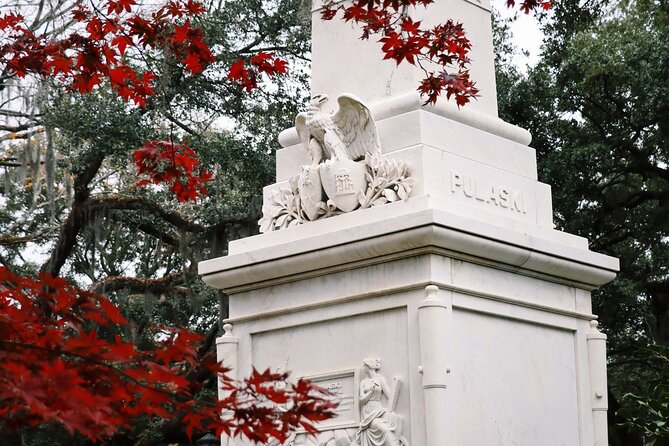
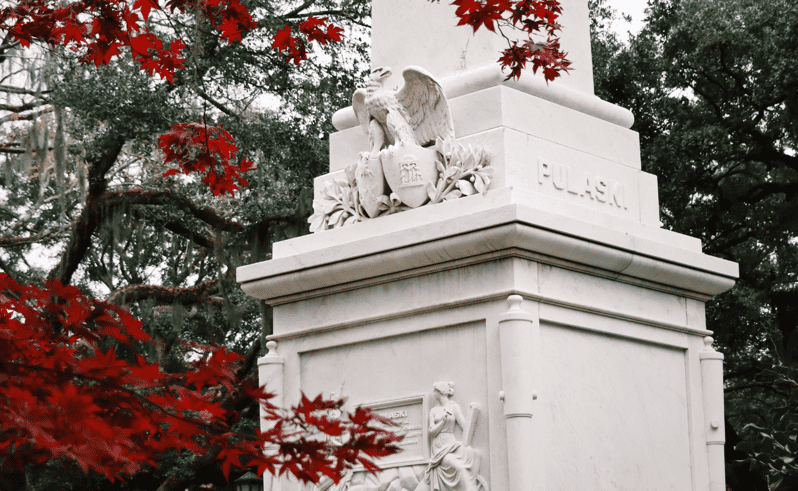
After that, you visit Monterey Square to learn about General Pulaski and the Mercer-Williams House. The payoff is simple: this isn’t just a “look at the statue” moment. You’re learning how notable figures and historic residences fit into Savannah’s development.
For me, the best value of the Jones Street and Monterey Square combination is that it gives you variety. You get civic history, immigrant threads, wartime context, and then a more personal cast of characters tied to specific places.
Ending at Forsyth Park’s fountain: a strong finish that helps you explore next
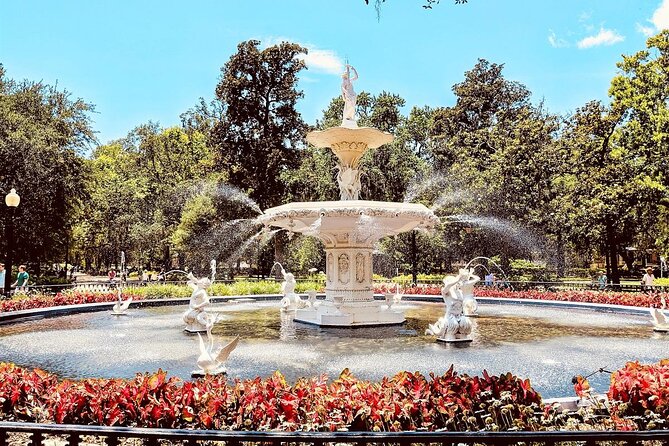
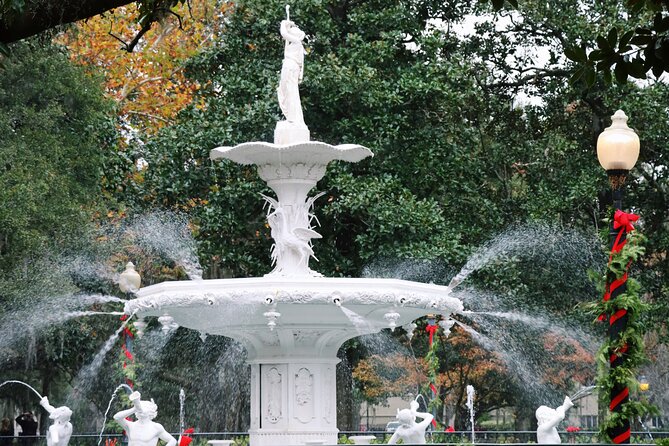
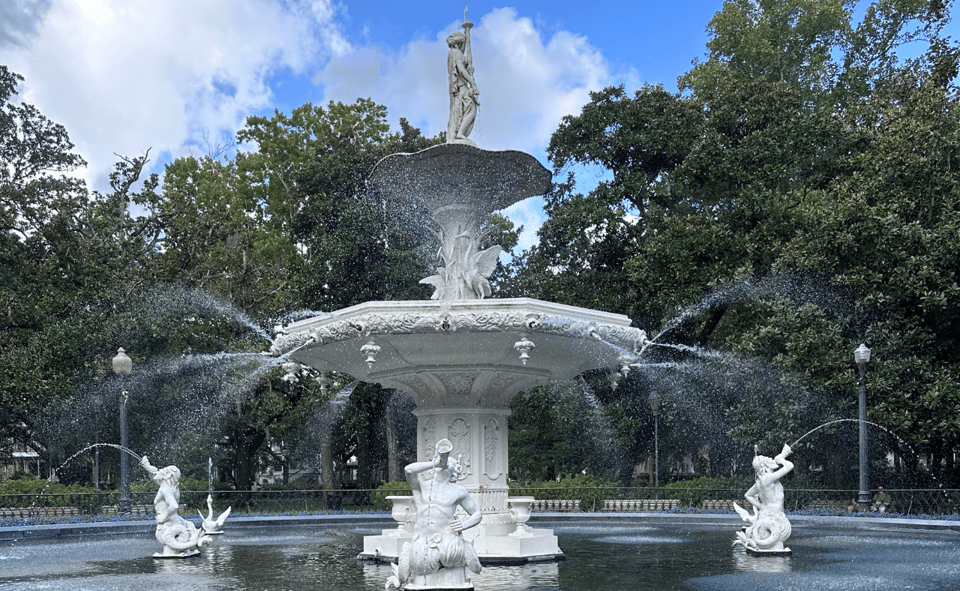
The tour wraps at Forsyth Park, concluding at the iconic fountain. This is a smart ending because parks are where you can pause without needing tickets or museum time. It also helps you reset your brain at the end of the walk, so you’re not leaving with your feet aching and your head full of dates only.
Forsyth Park gives you a “design” moment. Even if you aren’t an architecture person, you’ll start noticing how open space works in a city planned around squares. The tour gives you the background, and then the park gives you a place to process it.
If you want to keep exploring after the tour, you’re in a good position. You’ll likely find it easier to pick next stops with a better sense of how the city is arranged.
Price and pacing: is $35 for 90 minutes a good deal?
At $35 per person for about 90 minutes, the value is in what you get without extra costs. This tour includes the walking and a live guide, and it does not require museum entry fees during the route.
For a first-time visit, that matters. You’re paying for guided interpretation across multiple high-impact stops—historic squares, a cemetery, a major cathedral, and Civil War and slavery-related sites—without having to buy separate tickets or spend time waiting inside museums.
The pace also makes the price feel more fair. Tours that run too fast often feel like you paid to stand in line between photos. Here, the schedule leans toward shaded pauses and a relaxed rhythm, which helps the history stick.
Who should book this tour
This fits best if you want:
- A first look at Savannah’s Historic District with context that makes sightseeing make sense
- A guided walk where you can ask questions and get answers from Sarah
- A history-oriented experience that includes both civic stories and difficult topics like slavery
It’s also a solid match for people who don’t want a long day. At 90 minutes, you can do this early and still have energy for the rest of your itinerary.
Should you book this Savannah history walking tour?
Yes, if your goal is to understand Savannah, not just collect landmarks. This tour is built around the city’s square layout, major historic sites, and the stories that connect them—from the founding era through the Civil War and beyond.
Book it especially if you care about having a guide translate the city for you in a way that feels calm and organized. The biggest reason I’d recommend it is how the pacing supports attention: shaded stops, manageable walking, and a guide who answers questions (including the kinds you didn’t plan to ask).
Skip it if you’re looking for a ticket-heavy, indoor-heavy museum day, because entry into museums isn’t included here. Also, if you want very fast route coverage with minimal narration, this isn’t that kind of tour.
FAQ
Where is the meeting point?
You meet in the center of Chippewa Square, in front of the big statue, and your guide (Sarah) will be wearing a tour guide lanyard.
How long is the tour?
The tour lasts about 90 minutes.
How much does it cost?
The price is $35 per person.
Is the tour in English?
Yes, the tour is English.
What’s included in the price?
The tour includes the walking tour and a guide.
Are museum entry fees included?
No. Entry to any museums is not included.
What is the cancellation policy?
You can cancel up to 24 hours in advance for a full refund. The tour also offers reserve now & pay later options.