REVIEW · SAVANNAH
Gullah Geechee Tour and Lunch
Book on Viator →Operated by Gray Line Savannah · Bookable on Viator
Slavery-era Savannah feels real in this tour. I love the way Sistah Patt’s storytelling ties River Street and Johnson Square to the people forced into labor, and I also love that you get a Gullah Geechee lunch buffet with foodways and conversation. One consideration: timing can run long for some groups, so keep your afternoon flexible.
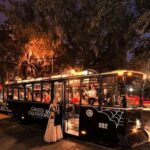
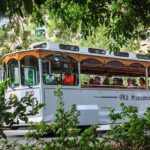
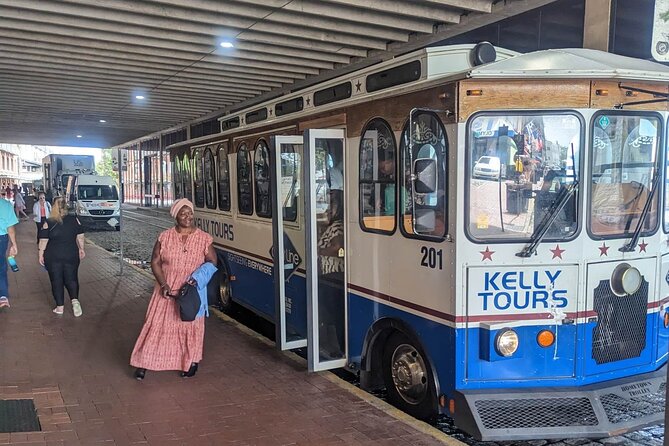
You’ll start at 10:30 a.m. and ride a comfortable Gray Line vehicle for a narrated tour of iconic downtown landmarks before stopping at a historic church for the meal and more stories. If you’re looking for Savannah sightseeing that actually explains who built it and who suffered for it, this is a strong fit.
In This Review
- Key highlights at a glance
- A Bus Tour That Turns Savannah’s Riverfront Into a Timeline
- Sistah Patt and the Art of Storytelling That Keeps You Listening
- River Street, Factor’s Walk, and the Work of Forced Labor
- Johnson Square: Seeing Where Public Auctioning Happened
- Historic Second African Baptist Church and the Gullah Geechee Lunch
- Timing Reality Check: 10:30 Start and Flexible Afternoon Plans
- Price and Value: What $116.63 Buys You in Savannah
- Who Should Book the Gullah Geechee Tour and Lunch
- Should You Book This Tour?
- FAQ
- What time does the tour start?
- How long is the experience?
- What is included in the price?
- Where do I meet the tour?
- Is parking included?
- How many people are in the group?
- Are service animals allowed?
- What is the cancellation rule for a full refund?
- Is good weather required?
Key highlights at a glance
- Sistah Patt as a lead storyteller: engaging narration that turns landmarks into people and events
- River Street and Factor’s Walk context: learn how slave labor helped build the waterfront economy
- Johnson Square stop: see where public slave auctions happened
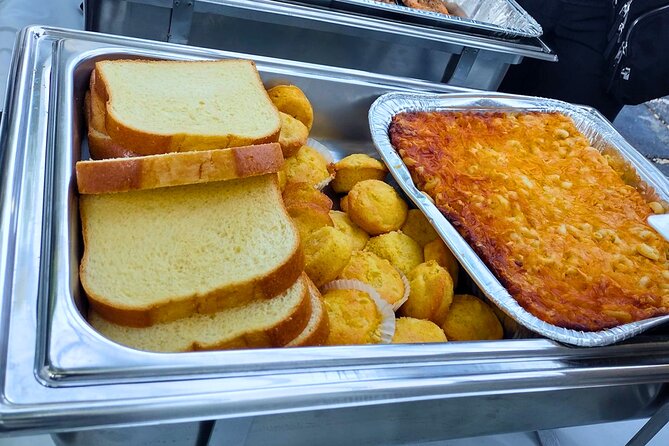
- Gullah Geechee lunch buffet: eat classic regional-style foodways while hearing cultural stories
- Small max group size (35): easier to hear the narration and stay connected
A Bus Tour That Turns Savannah’s Riverfront Into a Timeline
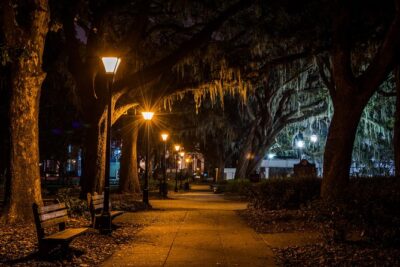
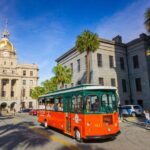
This tour works because it doesn’t treat Savannah as just pretty streets and oak trees. You ride past the big-name sights, but the narration keeps snapping you back to the human story underneath them. The main ride is about one hour, and it’s built around the downtown core—especially the riverfront and the squares.
You’ll begin along River Street, and the guide connects what you see on the waterfront to what happened there in the antebellum era. Factor’s Walk comes up in the landmark loop, and the focus is on the West African tribes that were routed to Savannah and put into slave labor. You’ll hear how that labor supported the warehouses along the river. It’s not abstract. It’s pointed. The route is basically a map you can follow, with the history attached to each stop.
Then you’ll head to Johnson Square, one of those places you’d normally just walk past. Here, it becomes part of the lesson. The narration includes the fact that this is where enslaved people were auctioned off—one of the clearest, hardest reminders that the city’s growth was built on forced human suffering.
If you like historical tours that move at a steady pace and use real locations as anchors, you’ll appreciate the structure. You’re not doing a long walking day. You’re getting a focused overview, with enough stops to keep it from turning into a single lecture from start to finish.
You can also read our reviews of more tours and experiences in Savannah
Sistah Patt and the Art of Storytelling That Keeps You Listening
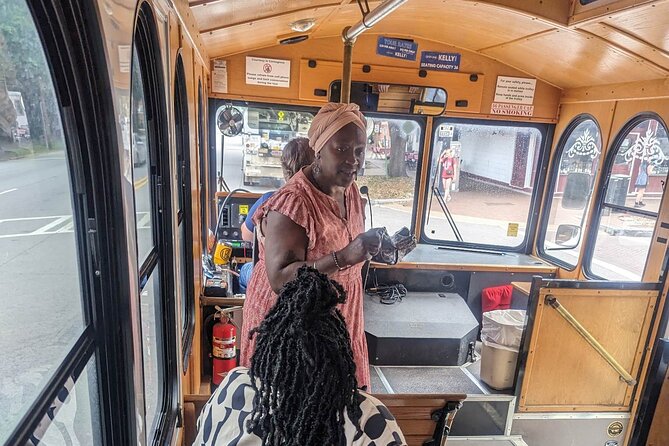
The headline for this experience is the guide: Sistah Patt, described as a Master Gullah Geechee storyteller. The best part is that her delivery is narrative-first. Instead of just listing dates, she frames events through stories, symbols, and cultural connections—so the facts stick.
You’ll hear how the cultural legacy continues to influence local community life today. That matters, because so many history tours end at “then it was terrible.” This one keeps the thread going toward continuity—how Gullah Geechee identity survived, shaped community values, and stayed present.
One detail I find especially interesting: the narration includes attention to symbols found in Savannah’s ironworks, including Adinkrah symbols. That’s the kind of thing that makes a tour more than a route—it helps you look differently when you step back outside. Even if you already know the basics of slavery-era history, symbol-focused commentary can add fresh angles you might miss on a typical city tour.
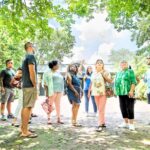
Also, the guide takes cues from the group. The tour is described as moving and heartfelt by many people who attended, and it’s not just one-way talk. You’ll feel it in the way the stories are paced and in how the cultural perspective connects to your questions.
This kind of storytelling is ideal for visitors who want history explained in a human way—and for anyone who’s tired of tours that treat African American history like a side note instead of the core of the city’s story.
River Street, Factor’s Walk, and the Work of Forced Labor
River Street and Factor’s Walk are the visual stars of Savannah for many first-time visitors. The tour gives you a second lens: these landmarks are also reminders of how the waterfront economy depended on people who were enslaved.
As you ride, you’ll learn about the West African tribes that were routed to Savannah and used as slave labor to build the warehouses along River Street. That’s the key idea the narration returns to—who was brought here, how they were used, and how that labor shaped the city’s physical footprint.
This matters for your understanding because the buildings and the riverfront layout can look straightforward if you only think in terms of commerce. Hearing the labor context changes the meaning of the architecture. You start seeing the city as a record of exploitation and resistance, not just a set of charming historic structures.
If you’re the type who likes to “read” a city with your eyes—figuring out why certain areas look the way they do—this tour gives you enough details to do that. You won’t leave with just vague impressions. You’ll leave with specific places tied to specific parts of the story.
And because it’s a bus tour, you can focus. You’re not managing footwork, heat, or navigation. You can listen closely and still take in what you’re driving past.
Johnson Square: Seeing Where Public Auctioning Happened
Johnson Square is where the tour turns heavier. You’ll see where enslaved people were auctioned off. It’s one of those facts that’s important to hear directly at the location—not at a museum panel, not in a far-away textbook paragraph.
The value here is that the narration connects the square to the system. You’re not only told that sales happened. You’re placed in the space where public auctioning was part of everyday reality for the people involved and the society that allowed it.
For your own planning: go in mentally prepared for a serious topic. Even though the setting is an outdoor square, the story is about human harm and coercion. The tour is guided in a way that many people describe as moving, and the storytelling approach helps keep it respectful and personal rather than sensational.
If you want to learn about Savannah’s African American history in a way that doesn’t soften the truth, this stop is a big reason the tour earns such strong recommendations.
Historic Second African Baptist Church and the Gullah Geechee Lunch
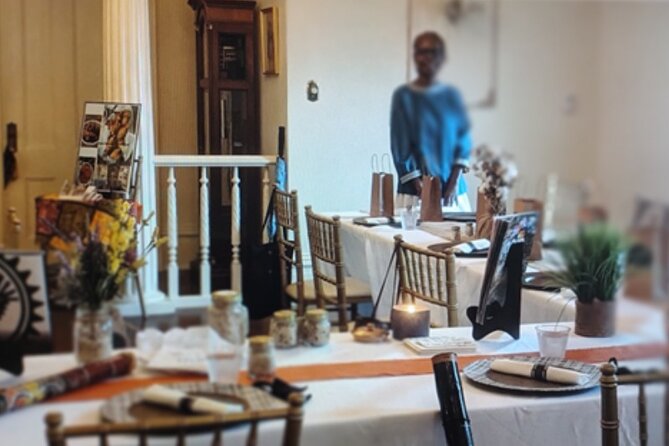
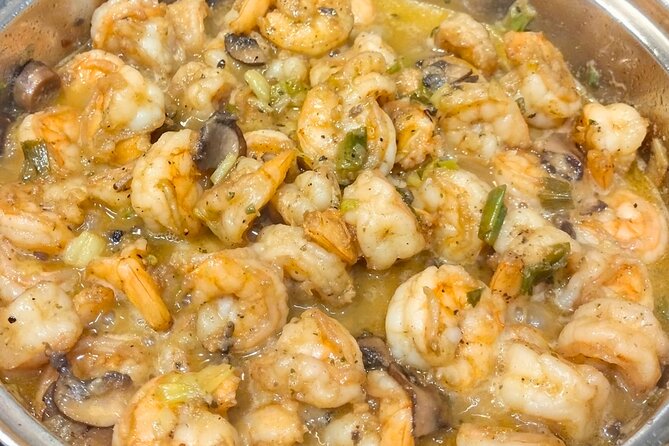
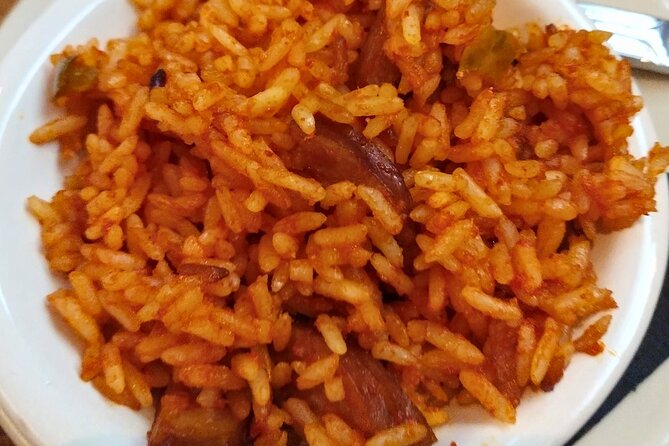
The second major piece is the lunch stop. After the narrated bus portion, you’ll visit The Historic Second African Baptist Church for authentic Gullah Geechee foodways and storytelling. This is where the experience shifts from city landmarks to cultural practice—food as history you can taste.
The meal is described as a buffet, so you can choose what suits you best. Many people emphasize that it’s prepared with care for the group, and that it creates a sense of togetherness. In practical terms, this is a good break if your main day in Savannah includes walking, museum time, or just lots of absorbing.
Foodways tours can be hit-or-miss when the lunch feels like an afterthought. Here, it’s built into the concept: you’re not just eating; you’re also getting cultural storytelling. That combination is what makes lunch feel like part of the learning, not just a food stop.
One small timing and venue note to keep in mind: the tour information specifies the church stop as The Historic Second African Baptist Church. Some attendees report the meal being served at United House of Prayer instead. Either way, the common thread is that lunch happens at a church setting with welcoming hosts and story-based atmosphere.
Not every lunch experience lands the same for everyone. A smaller number of people felt the lunch needed improvement. My practical advice: go in hungry, but also expect that the focus is as much on community and foodways storytelling as it is on fine-dining presentation.

Timing Reality Check: 10:30 Start and Flexible Afternoon Plans
The tour starts at 10:30 a.m. and the overall duration is listed as approximately 2 hours 30 minutes. The narrated bus portion is about one hour, then you’ll have the church stop for food and additional storytelling before returning to the meeting point.
Here’s the consideration to plan around: a few people report that the day ran longer than expected, pushing the return into the later afternoon. That doesn’t necessarily mean it always happens, but it does mean you shouldn’t book a tight reservation right after you expect to be back.
If you’re the kind of traveler who likes to see shows, catch a late lunch, or make a second tour appointment, give yourself slack. At minimum, keep your next plans in a broad window—think “later afternoon” rather than “right after lunch ends.”
The good news: the experience is structured. You’ll know you’re getting a bus route first and a church meal stop second. If you’re planning a Savannah day, this slot can be a useful anchor because it includes both city context and a guaranteed meal.
Price and Value: What $116.63 Buys You in Savannah
At $116.63 per person, this isn’t a budget filler. But it’s also not overpriced if you look at what’s included. You’re paying for:
- a guided one-hour narrated tour
- cultural storytelling tied to specific Savannah locations
- a Gullah Geechee lunch buffet
That means your cost isn’t just for the bus ride. You’re paying for a specific interpretive lens plus a meal that’s part of the experience. For many visitors, that’s the best value angle: you’d otherwise spend money on an African American history experience and then separately pay for lunch. Here, lunch is wrapped into the learning arc.
Two costs to budget for:
- Parking is not included. The meeting area notes free parking for one hour at the Visitors Center, then $1 per hour after.
- Guide gratuities are not included. If the guide’s storytelling is why you booked, you’ll likely want to plan for a tip.
Group size helps here too. The tour is capped at 35 travelers, which usually means you get better access to the guide’s voice and less “lost in the crowd” feeling.
If your goal is a history-forward Savannah day that includes lunch and guided interpretation, the price is easier to justify. If you only want casual sightseeing or you’re mainly hunting for a quick bite and photo stops, you may feel the focus is heavier than you expected.
Who Should Book the Gullah Geechee Tour and Lunch
This experience fits best if you:
- want African American history in Savannah told with a cultural and personal perspective
- enjoy guided storytelling more than “drive-by” narration
- like the idea of learning through locations like River Street, Factor’s Walk, and Johnson Square
- value foodways and community hospitality as part of understanding history
It’s also set up to be practical for a range of visitors. Service animals are allowed, and most travelers can participate. Because it’s a bus-based tour, it can be easier than a long walking tour, especially in summer heat.
Who might not love it as much: if you’re only looking for light sightseeing, or if you’re not comfortable with the explicit reality of slavery-era auctioning, you may find the tone too serious. In that case, you might prefer a purely general city history tour or a museum-first day.
Should You Book This Tour?
If you want Savannah with context—not just charm—you should book this. The strongest case is the pairing: a landmark-based bus tour plus a church lunch where the Gullah Geechee foodways and storytelling are part of the program. The guide, Sistah Patt, is the reason people keep recommending it, especially for visitors who feel most tours skip the full story.
Book it if you can give yourself time for a thoughtful pace and if you’re willing to handle a serious topic honestly. Just plan your afternoon with a little flexibility, since the day can run long for some groups.
If you want a Savannah day that connects the city’s physical layout to the lives that shaped it—and you’d rather hear it from a Gullah Geechee storyteller than from generic commentary—this is one of the most direct ways to get there.
FAQ
What time does the tour start?
The tour starts at 10:30 a.m.
How long is the experience?
The activity is approximately 2 hours 30 minutes. The guided bus portion is about one hour.
What is included in the price?
The price includes a Gullah Geechee lunch buffet, a 1-hour guided tour, and authentic Gullah Geechee storytelling.
Where do I meet the tour?
Meet at 223 Martin Luther King Jr Blvd, Savannah, GA 31401, USA.
Is parking included?
No. Parking is not included. At the Visitors Center parking is free for 1 hour, then $1 per hour after.
How many people are in the group?
The tour has a maximum of 35 travelers.
Are service animals allowed?
Yes, service animals are allowed.
What is the cancellation rule for a full refund?
You can cancel for a full refund if you cancel at least 24 hours in advance of the experience’s start time.
Is good weather required?
Yes, the experience requires good weather. If it’s canceled due to poor weather, you’ll be offered another date or a full refund.