REVIEW · SAVANNAH
90 Minutes Walking Tour in Savannah
Book on Viator →Operated by The Savannah Walking Tours · Bookable on Viator
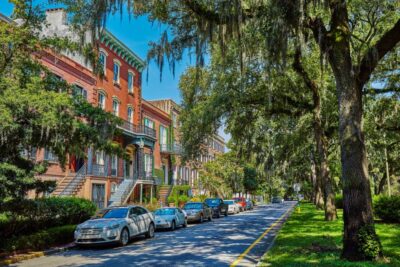
Savannah makes more sense on foot. This 90-minute walking tour strings together the city’s famous squares and landmarks into one clear story, and I especially liked the small-group pacing with guide-led context that keeps you oriented fast. Guides like Deborah and Andrew Cotton bring the kind of details that turn a quick stop into a real understanding of why Savannah looks the way it does.
I also like that most of what you see is outside or street-accessible, so you’re paying mostly for expert time rather than building tickets and lines. One thing to consider: the walk is about 1 hour 30 minutes, but it can run a little longer when the guide adds extra explanation or gives you time to ask questions.
In This Review
- Key Highlights You’ll Feel Right Away
- How This 90-Minute Savannah Walk Fits Your Day
- Johnson Square and Christ Church: Savannah’s First Big Chapter
- Wright Square: Where Civic Power and Harsh Reality Overlap
- Colonial Park Cemetery: From Civil War Role to Victorian-Era Changes
- The Girl Scouts Founder Home Story: Strong Women of Savannah
- Chippewa Square and General James Oglethorpe: Statue, Story, and Film Memory
- Cathedral of St. John the Baptist: Big Catholic Architecture in the Middle of Town
- Madison Square: Sgt Jasper, Church Presence, and Real-World Layers
- Monterey Square: Pulaski, Gothic Revival Synagogue, and Midnight in the Garden Connections
- Forsyth Park: The Photo Finish at the Fountain
- Price and Value: What You’re Really Paying For
- Should You Book This Savannah Walking Tour?
- FAQ
- How long is the Savannah walking tour?
- Where does the tour start and end?
- What does the tour cost?
- Is food or drink included?
- How big is the group?
- Can I get a refund if I cancel?
Key Highlights You’ll Feel Right Away
- A tight 90-minute route with about 10 minutes per major stop, designed to be manageable for most people
- Frequent story beats at every square, cemetery, and church so you don’t just look—you understand
- Film and pop-culture anchors like Chippewa Square and references tied to Midnight in the Garden of Good and Evil
- Architectural and civic context at places like Wright Square and the Cathedral of St. John the Baptist
- A small max group size (15) that makes conversation and questions actually work
- A clean finish at Forsyth Park near the fountain, where you can easily continue your day
How This 90-Minute Savannah Walk Fits Your Day

This tour is built for people who want the Savannah basics without eating their whole day. You start at Johnson Square on E Bryan St and finish at Forsyth Park, ending at the Forsyth Fountain. That end point matters, because Forsyth Park is a natural place to wander afterward, grab a bite, or just keep exploring on your own.
The pacing is also part of the value. The route moves stop to stop at roughly 10 minutes each, so you get multiple “ahh, that’s why it’s here” moments rather than one long, drawn-out scene. The tour is listed as about 1 hour 30 minutes, and it includes travel time.
One more practical note: the tour gives you a mobile ticket and is English-language. And yes, it’s a real walking tour, so comfortable shoes help. This is also one of those city experiences where a quick pause for photos is easy—but you’ll want to keep moving so you don’t end up behind schedule.
You can also read our reviews of more walking tours in Savannah



Johnson Square and Christ Church: Savannah’s First Big Chapter
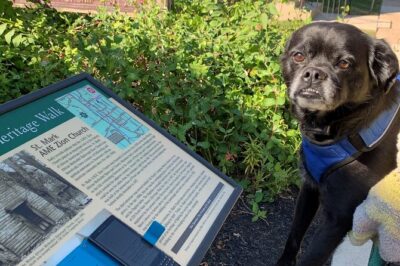
Johnson Square is where your mental map starts to click. The tour begins with a quick introduction to Savannah, then zooms in on Christ Church and the heritage tied to it. Even if you’ve only heard general things about Savannah, this first stop gives you the “why” before you get lost in the pretty squares.
Christ Church is treated as more than a pretty building. You’ll learn how this early religious landmark fits into the founding story and later growth of the city. It’s a smart start because Savannah’s squares don’t exist in a vacuum. They were part of how the city was planned—and lived.
Johnson Square also sets the emotional tone. It’s your reminder that this place wasn’t built overnight, and the city’s identity shaped itself over time. If you like history that feels connected instead of random, this opening is a great fit.
Wright Square: Where Civic Power and Harsh Reality Overlap
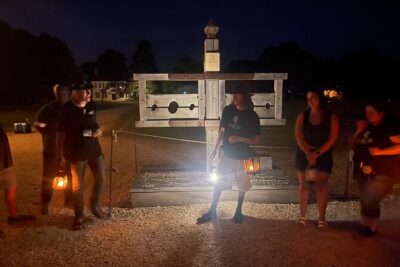
Next comes Wright Square, also known as Court House Square—a name that tells you to expect more than scenery. Here, the focus is on early government functions: the first Federal Courthouse, the County Courthouse, jail, and burial grounds. That blend is the point. Savannah’s old civic center wasn’t tidy or purely ceremonial.
This stop works well because it reframes your walk. You stop seeing squares as “pretty rectangles with statues” and start seeing them as sites tied to law, punishment, and community memory. It’s a reminder that streets and buildings have layers, even when the view looks calm.
One consideration: this square is more about ideas and context than big visual wow-factors. If you’re expecting a cathedral-like must-see moment, you might feel like it’s less dramatic at first. But that’s why it’s valuable—these details help you interpret later sites with better eyes.
Colonial Park Cemetery: From Civil War Role to Victorian-Era Changes
Then the tour turns to Colonial Park Cemetery, one of Savannah’s most interesting stories on foot. The tour explains how this cemetery played a big role during the Civil War, and later how it was transported as part of the movement to the Victorian cemeteries. That shift tells you a lot about changing attitudes toward burial and memory.
This stop is powerful because it connects national history to a specific Savannah location. You’re not just hearing dates; you’re learning how people’s choices and cultural habits changed over time, even in places meant for the dead.
Another reason this stop stays with you: cemetery tours are often either too heavy or too touristy. This one keeps it grounded. You get historical anchors, then you move on, so you leave with understanding rather than feeling stuck in one emotional pocket.
If you’re sensitive about topics like war and death, go in with that awareness. It’s not graphic in the description you’re given, but it does cover real conflict and grave relocation.
The Girl Scouts Founder Home Story: Strong Women of Savannah
One of the most memorable parts of this route is the stop tied to a specific Savannah woman: the strong figure who was born in Savannah, married in Savannah, and died in Savannah. The Gordon family built and lived in the home, and later the Girl Scouts bought the property and turned it into a museum. The tour also notes that the Gordon children were born in this house, and connects it to the founder of the Girl Scouts of the USA.
This stop works because it adds a different kind of history than battlefields or churches. It’s social history—family life, local influence, and how movements took shape. Savannah’s story isn’t only about power structures. It’s also about people who built institutions and changed what came next.
For you, this means the tour doesn’t flatten everything into one theme. You get moral and cultural context in between the civic and architectural stops, so the experience feels balanced.





Chippewa Square and General James Oglethorpe: Statue, Story, and Film Memory
At Chippewa Square, the tour makes you look at a landmark with two brains on: history and pop culture. The square is made famous by Forrest Gump’s bus-wait scene, and in the center you’ll find a statue of General James Oglethorpe, identified here as the founder of Savannah.
This combination is a clever teaching tool. Pop-culture references are often just background noise, but when a guide ties them to a deeper story, they become a shortcut to memory. You can remember the scene from film and also remember why Oglethorpe matters to the city’s founding.
The tour’s approach here also helps you notice details you’d otherwise skip. You start scanning the square for what was placed where and for what purpose, instead of only checking your phone for photos.
Practical note: because Chippewa Square is well-known, it can get busy depending on the time of day. The tour’s short stop length helps you avoid spending too much time waiting, but it’s still smart to be flexible with your photo timing.
Cathedral of St. John the Baptist: Big Catholic Architecture in the Middle of Town
Next is the Cathedral of St. John the Baptist, described as the largest and one of the most beautiful churches in Savannah. The tour explains the church’s timeline: it began as a church in the 1700s, while the current basilica building was built in the mid-1800s. The cathedral is open daily, so this is also a place where you could potentially step closer or return later if you want more time.
Why this stop is worth your attention is simple: it’s architecture you can actually map onto the city’s growth. You get a sense of how Savannah’s religious life changed and how the city invested in major buildings as it matured.
If you’re someone who loves churches but gets tired of long lectures, this is a nice balance. The stop is framed as a highlight moment with enough history to matter, then you move on before your feet protest.
Madison Square: Sgt Jasper, Church Presence, and Real-World Layers
Madison Square brings the story closer to lived conflict. In the center stands Sgt Jasper, linked to the Siege of Savannah, and the tour notes that he was fatally wounded. You also learn that St. Johns Episcopal Church occupies this square, along with the Green Meldrim house.
This stop matters because it gives you a human anchor. Squares can feel like decorative stops, but here it’s tied to a specific person and a specific siege event. You start understanding why these sites are positioned and remembered the way they are.
And again, it’s not just a statue. The tour nudges you to see how a church and notable buildings shape the space around memorials. You get a better read on what would have mattered to people at the time—faith, community identity, and collective memory after war.
If you’re traveling with kids or someone who needs motion, this stop is short enough to stay interesting. But if you want a longer look, you can always return later on your own, since it’s part of the street network.
Monterey Square: Pulaski, Gothic Revival Synagogue, and Midnight in the Garden Connections
Monterey Square is the “story plus style” stop. The tour explains the name ties to the Battle of Monterey, and centers the statue of General Casimir Pulaski. But the architecture and cultural landmarks are the real payoff here: the synagogue Mickve Israel, built in Gothic Revival style, and the Mercer Williams house.
The Mercer Williams house gets connected to the book Midnight in the Garden of Good and Evil, plus the fact that it’s a big part of several movies filmed in Savannah. That’s one of the stops where the guide’s job really shows. They help you connect the physical building to the story you’ve probably heard about from elsewhere.
This is also where you’ll start noticing how Savannah’s squares can serve different communities over time. A walk that includes a memorial statue, a synagogue, and a famous house in one small area gives you a fuller view than a single-theme tour.
One drawback to keep in mind: because the house and cultural references are so well-known, the square can attract attention. The tour handles this by keeping the stop time tight and moving you along.
Forsyth Park: The Photo Finish at the Fountain
The tour ends by stepping into Forsyth Park, a 30-acre space that functions as a meeting point for festivals, a farmers market, and restaurants. The tour points you toward the famous Forsyth Fountain, which is your “you made it” photo moment and a natural place to wrap up.
Forsyth Park is a strong finish because it’s easy to transition into free time. You don’t need to hunt for your next move—if you want food, a stroll, or a quick sit, the park is set up for it.
This ending also helps you close the loop on everything you learned earlier. The walk started with founding and civic planning, moved through faith and war, and now lands you in a public green space that shows how the city uses land for community life.
If you feel rushed at the end, plan ahead. Give yourself a few extra minutes after the tour to step around the fountain area. It’s one of those places where a quick pause makes the whole day feel complete.
Price and Value: What You’re Really Paying For
At $30 per person for about 90 minutes, this tour is priced for a classic “guided hits” experience. What makes it feel like good value is that the stops are admission-ticket free in the sense that you’re not paying to enter a separate paid attraction at each location. You’re paying for interpretation: the guide turns exterior sights into a guided story.
Group size plays into value too. With a maximum of 15 travelers, this is small enough for interaction. And the reviews you’ll see emphasize that the guides can handle both small and larger groups while still keeping the tone friendly and conversational.
Is there any catch? The main one is time. The tour may run a bit longer than advertised when the guide is eager to share more context and when people ask questions. That’s usually a good sign, but you should still keep it in mind if you have a tight schedule after 90 minutes.
Who this is best for:
- First-time Savannah visitors who want a map you can remember
- People who like history connected to architecture and street-level landmarks
- Anyone who wants a tour that ends somewhere pleasant (Forsyth Park) instead of dumping you back at a parking lot
Should You Book This Savannah Walking Tour?
Book it if you want an organized way to understand Savannah fast. This route does a good job of connecting the city’s squares, churches, cemetery story, and famous landmarks into one clear flow, and you finish at Forsyth Park where it’s easy to keep exploring.
Skip it only if you’re searching for a long, in-depth museum-style experience. This is a walking tour with short stops, so you’ll get meaning and orientation, but you won’t linger at every site for hours. If your ideal day is slow and deep, you’ll likely want extra independent time afterward.
FAQ
How long is the Savannah walking tour?
The tour is listed at about 1 hour 30 minutes, and total duration includes travel time.
Where does the tour start and end?
It starts at Johnson Square, 2 E Bryan St, Savannah, GA 31401 and ends at Forsyth Park at the Forsyth Fountain.
What does the tour cost?
The price is $30.00 per person.
Is food or drink included?
No. The tour does not provide food or drink.
How big is the group?
The tour has a maximum of 15 travelers.
Can I get a refund if I cancel?
Yes. You can cancel for a full refund up to 24 hours in advance of the experience start time.