REVIEW · SAVANNAH
Savannah Georgia Port Tour
Book on Viator →Operated by Outside Hilton Head · Bookable on Viator
A working port from the river is a different Savannah.
This 90-minute boat tour shows the Port of Savannah up close—right where the loading and unloading happens. I love the small group size (max 13) because it makes questions easy, and I also like that you get onboard interpretive guidance plus bottled water and an iced cooler. One thing to plan for: you’ll be out on open water with limited shelter, so wind, rain, or sun can matter a lot.
You’ll start with scenic views of Savannah’s historic riverfront and head upriver toward the Georgia Ports Authority. After that, the focus shifts to real operations—container barges, cranes, and the logistics behind moving cargo through an active international hub.
In This Review
- Key highlights at a glance
- A working port view is the fast track to understanding Savannah
- Price and value: $67 buys more than a pretty cruise
- What you see on the water: historic riverfront to Georgia Ports Authority
- The Port of Savannah in real life: piers, barges, and crane work
- Watching the logistics: how cargo moves from road/rail to ship
- Guides make the difference: ask questions and you’ll get stories back
- Weather reality: sun, cold, rain, and last-minute changes
- Small group, big closeness: why 13 passengers feels like the sweet spot
- Meeting point and timing: where to be so the ride runs smoothly
- Should you book the Savannah Port Tour?
- FAQ
- How long is the Savannah Georgia Port Tour?
- Where does the tour start and end?
- What’s included in the price?
- Are snacks provided?
- How big is the group?
- What language is the tour offered in?
- What happens if weather is bad?
- Is free cancellation available?
Key highlights at a glance
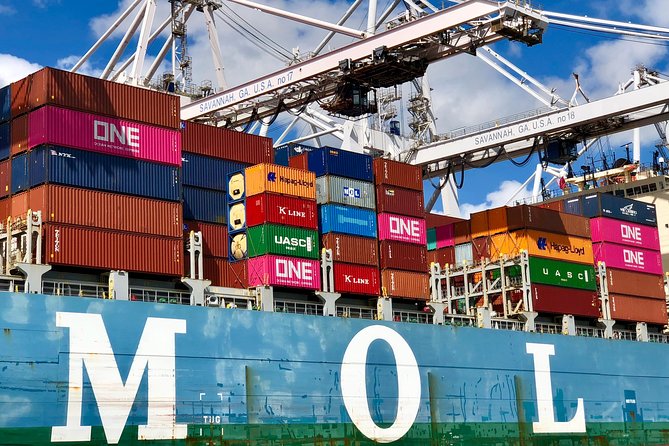
- Up-close views of container ships and cranes from a small boat, not from a distant dock.
- A working-operations focus that explains how terminals function and how cargo moves.
- Real-time stories from the captains, with guides like Christina, Captain Boo (Andrew), Captain Peter Pearson, Bayard Huggins, and Conner.
- Winter comfort and weather prep have come up on past sailings, including blankets and rain gear.
- Easy value for 1.5 hours: the price includes an interpretative guide and bottled water.
A working port view is the fast track to understanding Savannah
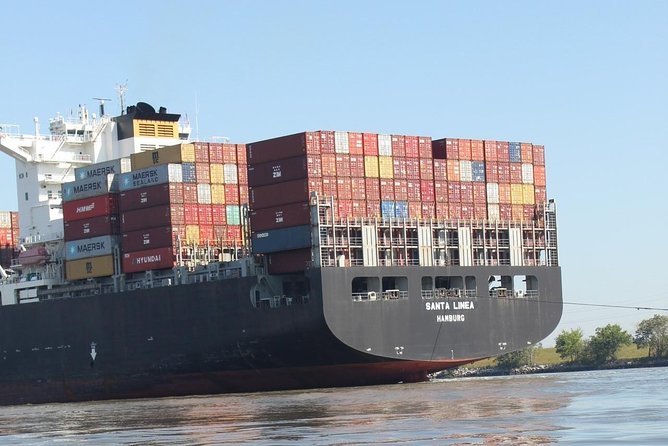
Savannah is famous for charm, brick sidewalks, and marshy views—but the port gives you a second lens on the city. From the water, you see scale: long piers, lots of dock activity, and ships that look built for nonstop work.
This tour is interesting because it’s not just sightseeing. It’s a guided look at a working system—over 50 piers, wharves, and docks—where operations depend on timing, equipment, and weather. You end up thinking in terms of logistics, not just scenery.
You can also read our reviews of more tours and experiences in Savannah


Price and value: $67 buys more than a pretty cruise
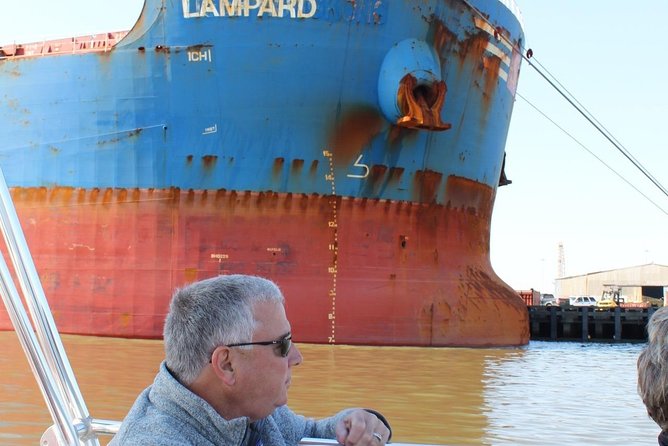
At $67 per person for about 1 hour 30 minutes, the price feels fair when you consider what you’re actually paying for: water views plus guided interpretation of a working industrial waterfront. You’re also not doing it with a massive crowd. With a maximum of 13 people, you’re more likely to get clear answers while you’re close to the action.
The onboard basics are included: bottled water, an iced cooler, and an interpretative guide. Snacks aren’t included, so I’d plan to eat before you go unless you’re the type who sniffs the air and calls it dinner.
What you see on the water: historic riverfront to Georgia Ports Authority
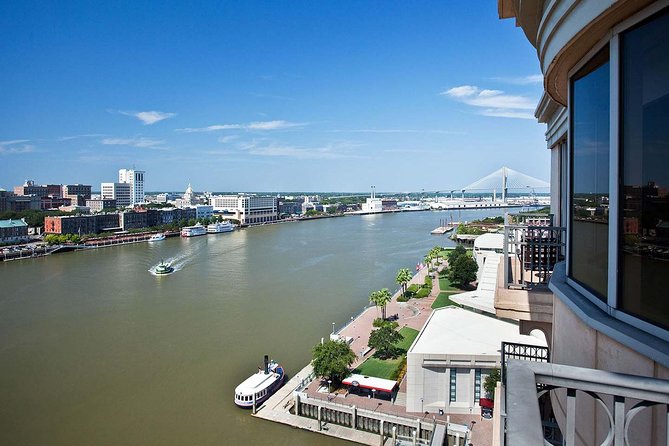
The cruise starts at the Westin Savannah Harbor Golf Resort & Spa on Resort Drive. From there, you get a scenic pass along Savannah’s historic riverfront, which helps you get your bearings fast before things turn industrial.
Then the boat heads upriver to the Georgia Ports Authority area. This is where the captain/guide starts connecting what you’re seeing to what’s happening at the terminals—what kinds of ships show up, how port operations run, and what different terminals handle.
If you’re the type who likes your travel with a purpose, this is where the tour clicks. You’re learning what the port does while you’re looking at it, not after you leave.
The Port of Savannah in real life: piers, barges, and crane work
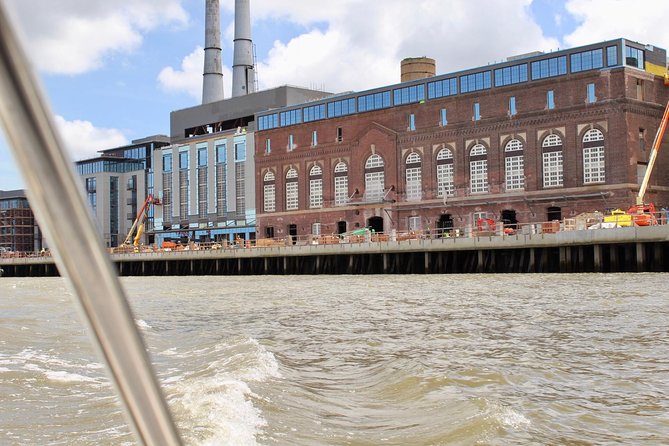
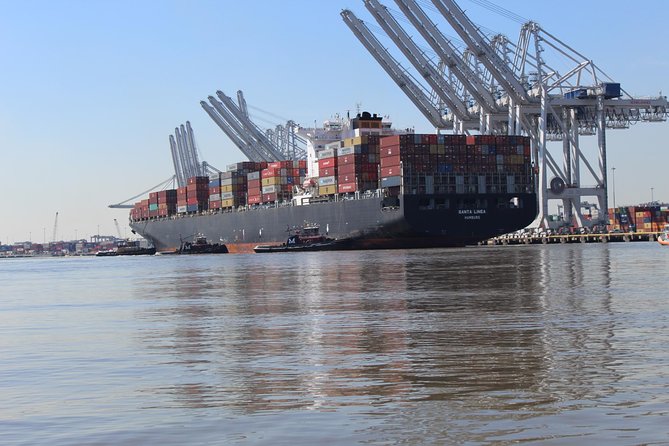
One of the strongest reasons to book is that the port looks and feels active from the water. You’re out where the big structures do their job, so you get a clear view of container ships and the machinery involved in loading operations.
On past trips, people have specifically talked about getting close enough to see cranes operating to load container barges. That’s the kind of detail that’s hard to get from land, because you’d need the right angle and the right moment—and even then, you’d be watching from far away.
The guide keeps it practical: what’s happening, why it matters, and how the port fits into global shipping.
Watching the logistics: how cargo moves from road/rail to ship
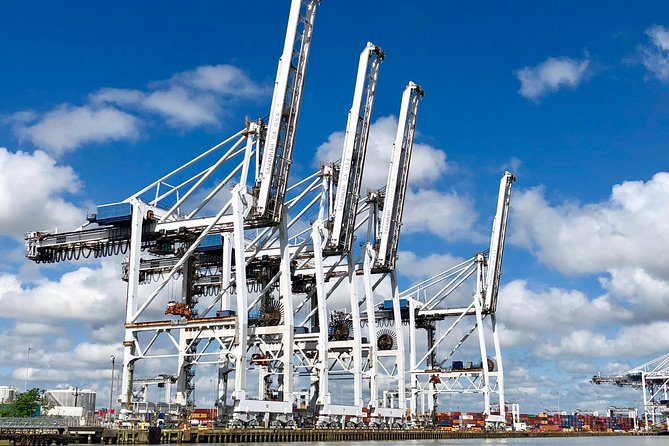
This tour earns its keep by explaining shipping as a process. Instead of just naming equipment, the captain/guide often talks through how containers get from transport routes (road or rail) onto vessels.
That matters because it turns a pile of metal and containers into a real chain of work. You start to notice how port operations rely on coordination—equipment, timing, and ongoing movement.
In colder months, you might also notice other port activity in addition to container work. Dredging barges have shown up on outings as well, which reinforces the point that the port isn’t static. It’s managed, maintained, and kept ready for large ships.




Guides make the difference: ask questions and you’ll get stories back
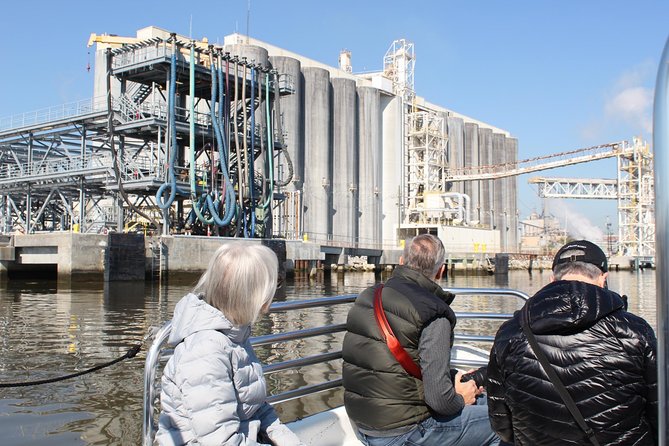
You’re not just along for the sights. The captain/guide is the show, and the tour is built around conversation—especially on a small boat where it’s easier to hear and to ask.
Different guide styles come through in the names you’ll hear on the ride. Christina has been described as fun and full of background with a history-focused approach. Captain Boo (Andrew) has been praised for explaining cranes and the loading process in a way that sticks. Captain Peter Pearson and Captain Peter have also been singled out for clear, relaxed explanations plus extra details like ecology and local commercial history.
If you want the best experience, bring a couple of questions with you. Even simple ones like what you’re seeing or how terminals differ can unlock a better ride.
Weather reality: sun, cold, rain, and last-minute changes
This is an open-water experience, so you should pack for the conditions, not for wishful thinking. One common note from past outings: there’s little to no shade on the boat, so sun protection matters even when the walk-on weather feels mild.
Also, the tour depends on good weather. If conditions turn—especially with thunderstorms approaching—you can expect the operator to make safety calls. In one case, the tour was canceled close to departure due to weather, and communication was the weak point. The good news is that a full refund was processed, and weather cancellations can also mean you’ll be offered another date.
My practical advice is boring but useful:
- Bring sun protection (hat, sunglasses, sunscreen).
- Dress for wind chill, especially in winter.
- If there’s rain in the forecast, bring a light rain layer.
And here’s a nice detail: past captains have shown up prepared. People have mentioned blankets and even gloves on colder days, plus rain gear like raincoats and umbrellas on wet trips. Still, I wouldn’t count on it as your only weather plan.
Small group, big closeness: why 13 passengers feels like the sweet spot
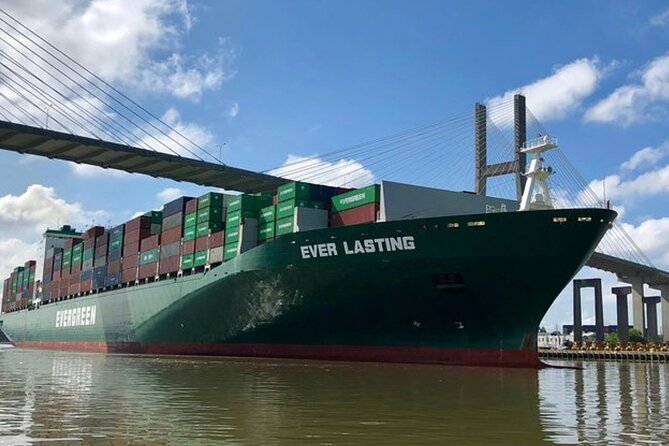
A small boat changes the whole vibe. With a max of 13 people, you get closer to the work and you’re more able to have back-and-forth with the captain.
That’s also why the port visuals can feel more intense. Big ships and cranes look massive from a distance, but up close they become real machinery. You don’t just see the container stacks—you see the movement and understand the purpose behind it.
If you prefer a slow, question-friendly pace, this setup is ideal. If you want a silent-photo-only cruise, you might still enjoy it, but you’ll have less control over the pace than on self-guided sightseeing.
Meeting point and timing: where to be so the ride runs smoothly
The tour starts and ends back at the Westin Savannah Harbor Golf Resort & Spa, 1 Resort Dr, Savannah. The experience runs about 1.5 hours, so plan to arrive with buffer time rather than showing up exactly at the stated moment.
One frustration that came up for someone: they were early, but a nearby retail store and the meeting instructions didn’t line up in their minds, which made the start feel confusing. You can avoid that by double-checking the exact meeting directions in your confirmation and following the instructions on the day of the tour.
Should you book the Savannah Port Tour?
If you like real-world travel—industry, logistics, ships, and how a city connects to global trade—this is a strong pick. You’ll get a guided working-ports perspective, and the small-group format makes it easier to learn and to ask questions while you’re actually seeing container operations up close.
I’d skip it (or choose a different Savannah experience) if you dislike weather-sensitive outdoor tours, or if you only want traditional historic sightseeing without any industrial focus.
FAQ
How long is the Savannah Georgia Port Tour?
It’s about 1 hour 30 minutes.
Where does the tour start and end?
It starts at the Westin Savannah Harbor Golf Resort & Spa, 1 Resort Dr, Savannah, GA 31421, and it ends back at the same meeting point.
What’s included in the price?
The tour includes bottled water, an iced cooler, and an interpretative guide.
Are snacks provided?
No, snacks are not included.
How big is the group?
The maximum group size is 13 travelers.
What language is the tour offered in?
It’s offered in English.
What happens if weather is bad?
The experience requires good weather. If it’s canceled due to poor weather, you’ll be offered a different date or a full refund.
Is free cancellation available?
Yes. You can cancel up to 24 hours in advance for a full refund.